Probiotic drying converts fermented bacterial concentrates into stable powders for supplements, foods and feed. The product is priced on viable count, so the drying process must keep as many cells alive as possible and leave them dry enough to survive months on a shelf.
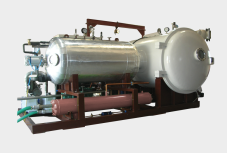
To dry probiotics, GEM recommends the Freeze Dryer / Lyophilizer. Typical moisture is 80–90% in the feed and 2–4% after drying. Combination Fluid Bed Dryer is used when the feed or site calls for it. Every project starts with a pilot trial on your own sample.
Freeze drying keeps product temperature low throughout, which preserves viable probiotic counts. A fluid bed dryer is used after freeze drying for coating or encapsulation, or for robust spore-forming strains. GEM supplies freeze dryers for food, nutraceutical and non-sterile culture duty; sterile injectable lyophilisation is outside our scope.
| Typical feed moisture | 80–90% |
| Typical target moisture | 2–4% |
| Recommended dryer | Freeze Dryer / Lyophilizer |
| Alternatives | Combination Fluid Bed Dryer |
| Application area | Pharma & Fine Actives |
| Industries | Pharmaceuticals & Biotech, Nutraceuticals & Herbal |
Higher survival through drying means more viable units per kilogram of fermentation output, improving margins on a high-value product. Stable, low water activity powders also support longer label shelf-life claims.
Plants searching for a probiotic freeze dryer or comparing a probiotic drying usually need three answers: which dryer fits, what it costs to run, and how fast it pays back. For Probiotics, we start from your throughput, current moisture (typically 80–90%) and the target (2–4%), trial a sample on the Freeze Dryer / Lyophilizer, and return a sized recommendation with a budget quotation for your pharmaceuticals and nutraceuticals operation.
We trial your material in our pilot facility before any equipment decision, then size the dryer from real data.
Describe it in the form, or message an engineer directly.