Enzyme drying has to preserve catalytic activity while turning liquid concentrates or precipitates into dust-free granules or powders. Industrial enzymes for detergents, feed and baking are usually granulated and dried in fluid beds, while high-value pharmaceutical and diagnostic enzymes are freeze dried to keep losses to a minimum.
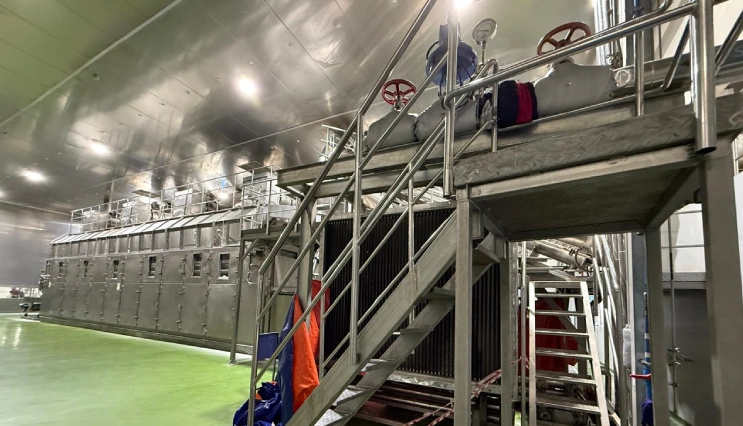
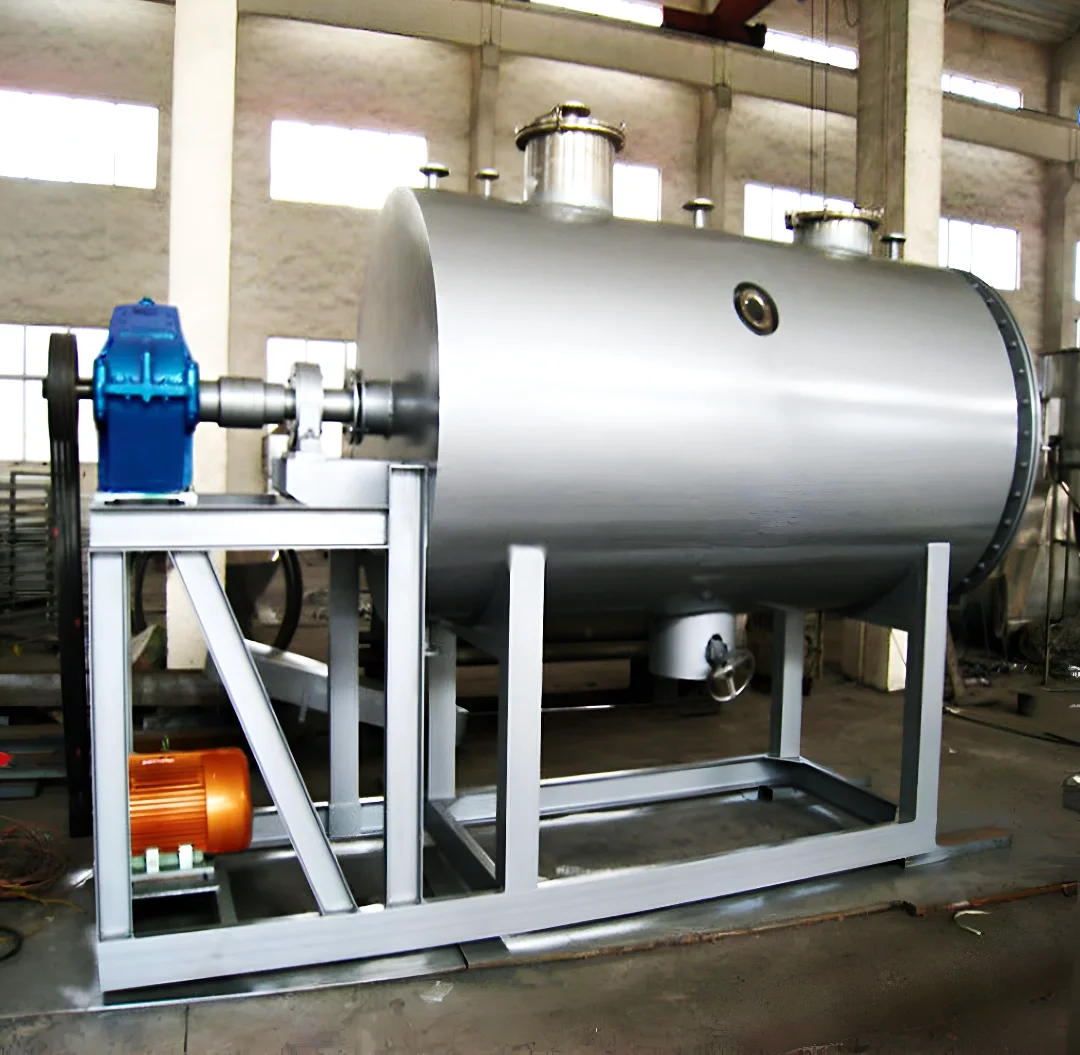
To dry enzymes, GEM recommends the Combination Fluid Bed Dryer and Freeze Dryer / Lyophilizer. Rotary Vacuum Dryer is used when the feed or site calls for it. Every project starts with a pilot trial on your own sample.
A fluid bed dryer granulates and dries industrial enzymes at controlled temperature, producing low-dust granules. Freeze drying suits high-value pharmaceutical enzymes. Rotary vacuum dryers are an option for heat-sensitive enzyme precipitates. GEM supplies freeze dryers for food, nutraceutical and non-sterile culture duty; sterile injectable lyophilisation is outside our scope.
| Recommended dryer | Combination Fluid Bed Dryer, Freeze Dryer / Lyophilizer |
| Alternatives | Rotary Vacuum Dryer |
| Application area | Pharma & Fine Actives |
| Industries | Pharmaceuticals & Biotech, Food & Beverage |
Protecting activity through drying means more sellable units per fermentation batch. Dust-free granules also reduce worker exposure to sensitising enzyme dust and allow safer handling in customers' blending plants.
Plants searching for a enzyme dryer or comparing a enzyme granulation usually need three answers: which dryer fits, what it costs to run, and how fast it pays back. For Enzymes, we start from your throughput, current moisture and the target, trial a sample on the Combination Fluid Bed Dryer, and return a sized recommendation with a budget quotation for your pharmaceuticals and food operation.
We trial your material in our pilot facility before any equipment decision, then size the dryer from real data.
Describe it in the form, or message an engineer directly.