Organic fertilizer drying finishes granulated or pelleted organic manures made from compost, press mud, oil cakes and similar inputs. Granules leave the granulator at 25–35% moisture and must reach around 15–20% to stay hard and store well, while products enriched with beneficial microbes need low temperatures so the cultures stay viable.
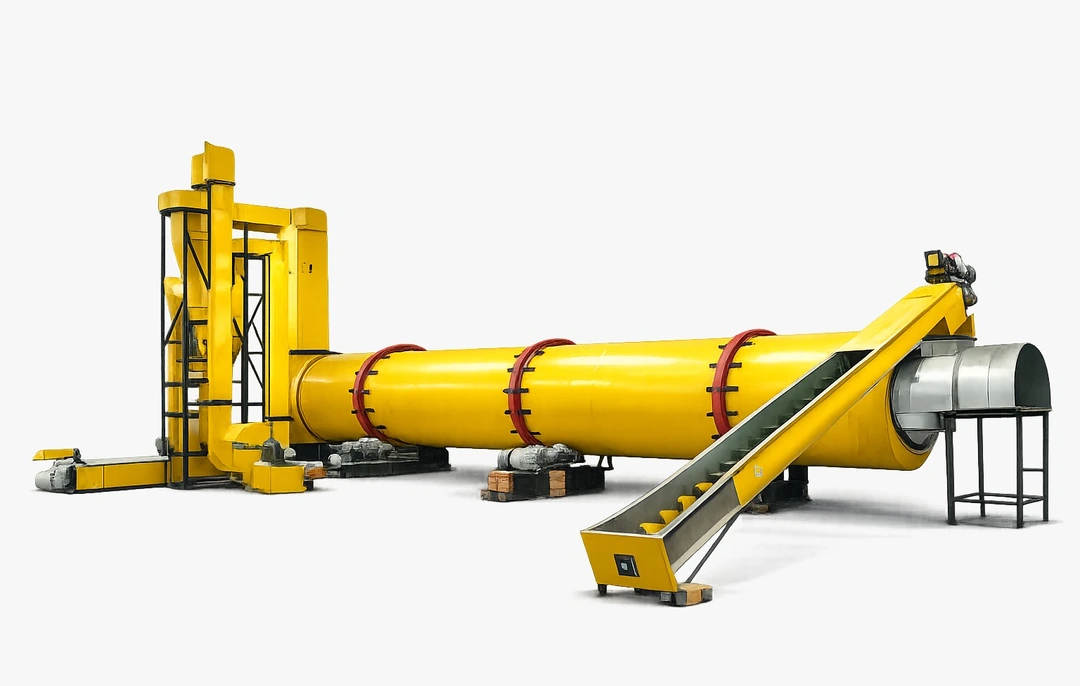
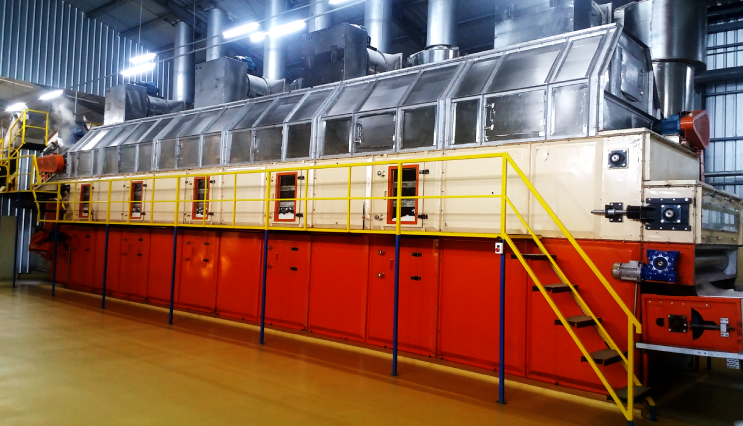
To dry organic fertilizer, GEM recommends the Rotary Dryer. Typical moisture is 25–35% in the feed and 15–20% after drying. Mesh Belt Dryer and Industrial Cooler are used when the feed or site calls for it. Every project starts with a pilot trial on your own sample.
A rotary dryer with controlled inlet temperature handles organic granules at volume and tolerates feed variation. A mesh belt dryer is chosen for microbe-enriched or fragile pellets that need gentle, low-temperature drying, and a cooler protects granules before bagging.
| Typical feed moisture | 25–35% |
| Typical target moisture | 15–20% |
| Recommended dryer | Rotary Dryer |
| Alternatives | Mesh Belt Dryer, Industrial Cooler |
| Application area | Fertilizers & Agrochemicals |
| Industries | Fertilizers & Agrochemicals, Agriculture & Grain Processing |
Dry, hard granules meet regulatory moisture limits for organic manures and spread easily with machinery. Lower weight cuts transport cost, and drier product keeps longer in bags.
Plants searching for a organic fertilizer dryer or comparing a organic manure drying machine usually need three answers: which dryer fits, what it costs to run, and how fast it pays back. For Organic Fertilizer, we start from your throughput, current moisture (typically 25–35%) and the target (15–20%), trial a sample on the Rotary Dryer, and return a sized recommendation with a budget quotation for your fertilizers and agriculture operation.
We trial your material in our pilot facility before any equipment decision, then size the dryer from real data.
Describe it in the form, or message an engineer directly.