Digestate drying treats the residue left after anaerobic digestion in biogas and compressed biogas plants. After screw-press separation the solid fraction is fibrous and permeable, but still around three-quarters water. Plant owners dry it to reduce storage volume, make it transportable over longer distances and convert it into a marketable organic manure or fuel.
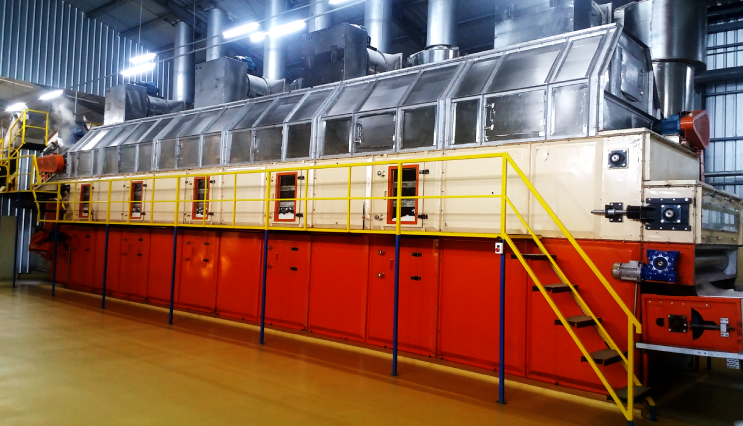
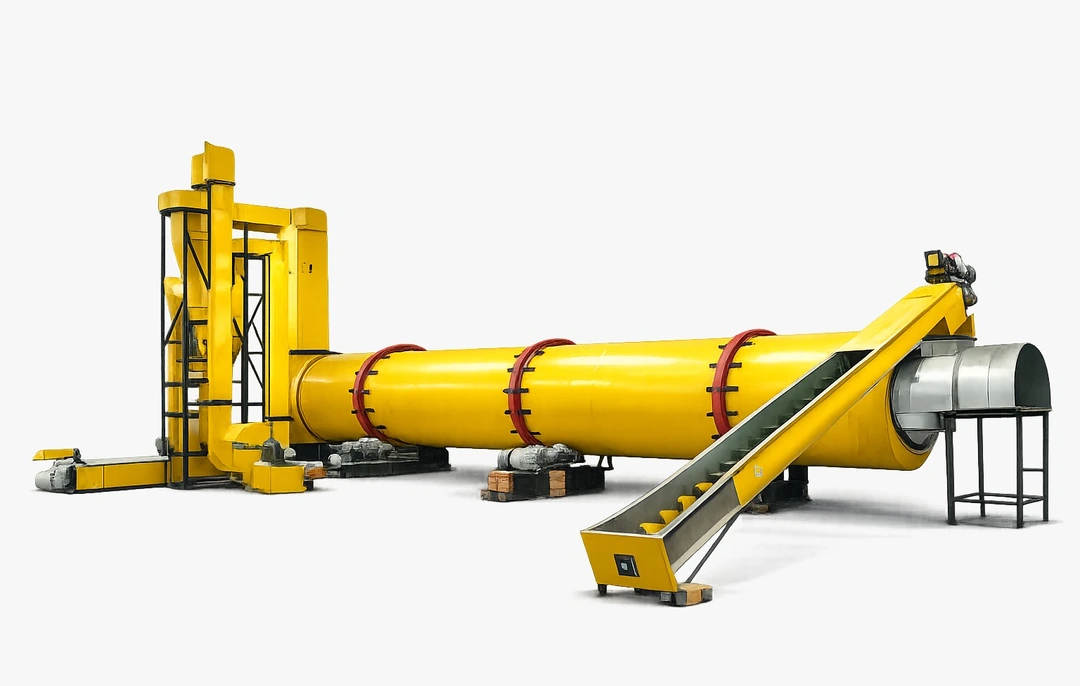
To dry digestate, GEM recommends the Mesh Belt Dryer (Meshotherm). Typical moisture is 70–80% in the feed and 10–15% after drying. Hybrid Belt + Fluid Bed Dryer and Rotary Dryer are used when the feed or site calls for it. Every project starts with a pilot trial on your own sample.
Pressed digestate forms an open, fibrous bed, which suits through-air drying on a Meshotherm belt at the moderate temperatures available from CHP jacket water or exhaust gas. Aerodryve is chosen when very wet, bulky fibre needs higher evaporation per square metre.
| Typical feed moisture | 70–80% |
| Typical target moisture | 10–15% |
| Recommended dryer | Mesh Belt Dryer (Meshotherm) |
| Alternatives | Hybrid Belt + Fluid Bed Dryer, Rotary Dryer |
| Application area | Sludge & Biosolids |
| Industries | Wastewater & Environmental, Biomass, Bioenergy & Recycling |
Biogas plants often have surplus heat with no buyer, and digestate storage is costly. Drying turns that heat into a dry organic manure that is lighter to move, keeps without odour and can earn revenue under organic fertilizer schemes.
Plants searching for a digestate dryer or comparing a biogas digestate drying usually need three answers: which dryer fits, what it costs to run, and how fast it pays back. For Digestate, we start from your throughput, current moisture (typically 70–80%) and the target (10–15%), trial a sample on the Mesh Belt Dryer, and return a sized recommendation with a budget quotation for your wastewater and biomass operation.
Compare all 4 materials in Municipal Sludge & Biosolids or browse the wider Sludge & Biosolids family.
We trial your material in our pilot facility before any equipment decision, then size the dryer from real data.
Describe it in the form, or message an engineer directly.