


Biosolids & Sewage Sludge Dryers
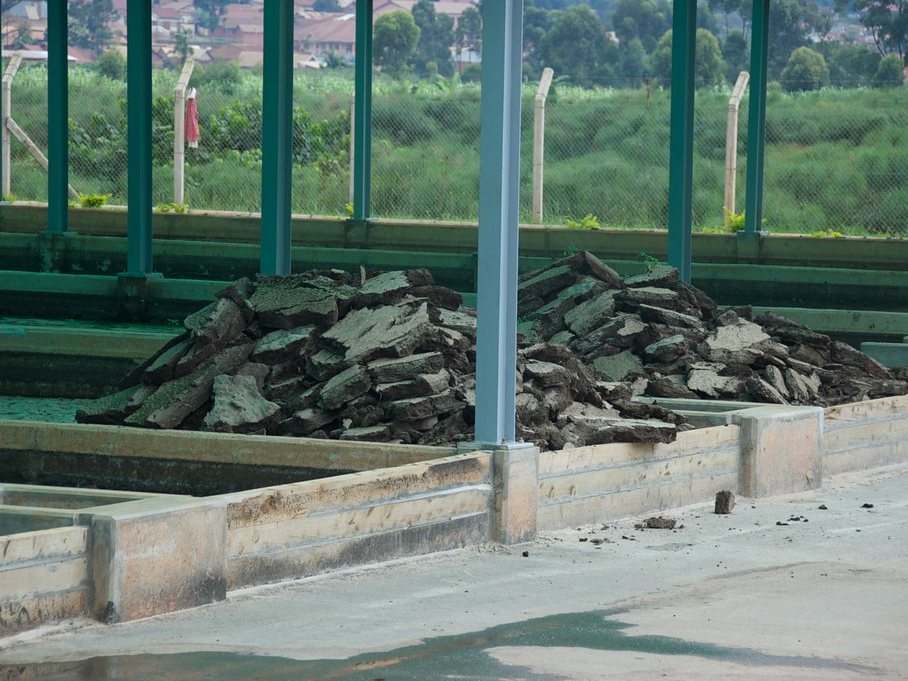
This hub covers drying for the solids that municipal utilities and biogas operators must dispose of every day: sewage sludge, digested biosolids, digestate, alum sludge from water treatment. They share a problem of volume. Dewatered cake typically still holds 70–85% moisture,, so most of what is trucked away is water. Drying targets range from 5–10% for biosolids sold as granules. Odour, ammonia and a sticky phase mid-drying complicate the equipment choice.
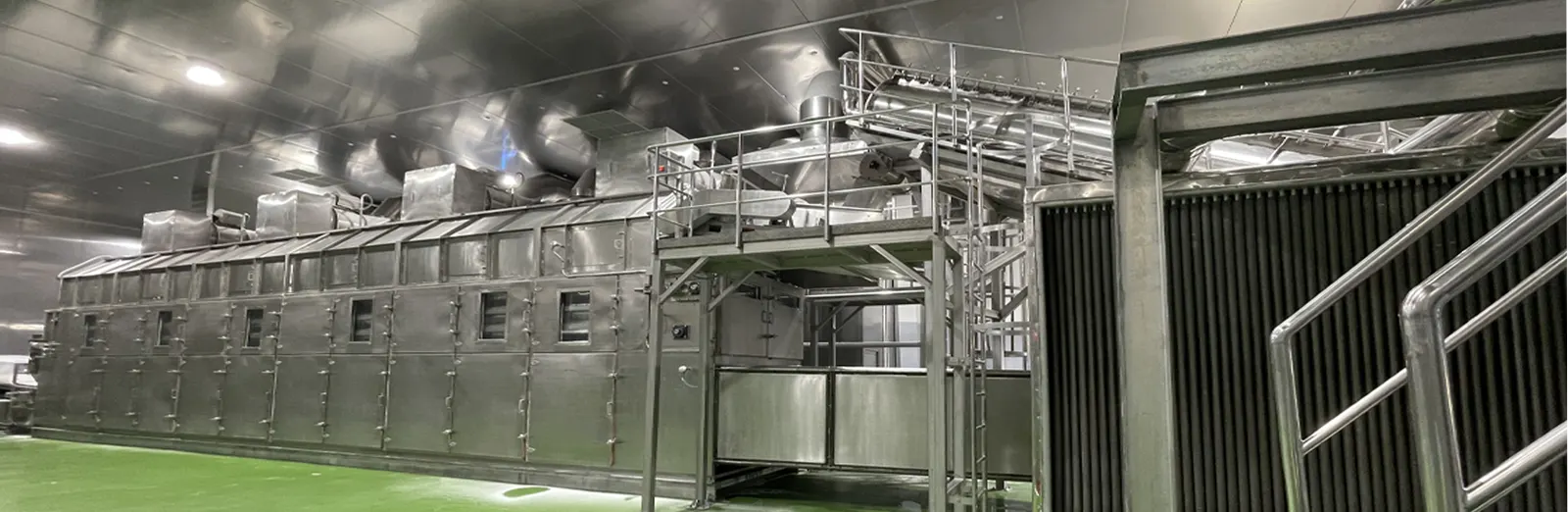
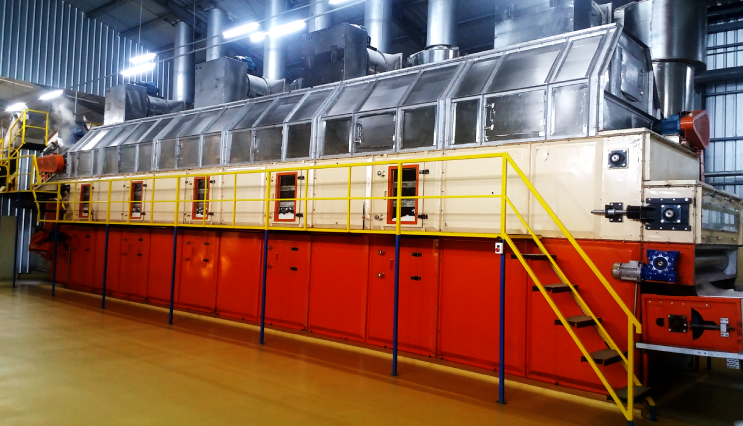
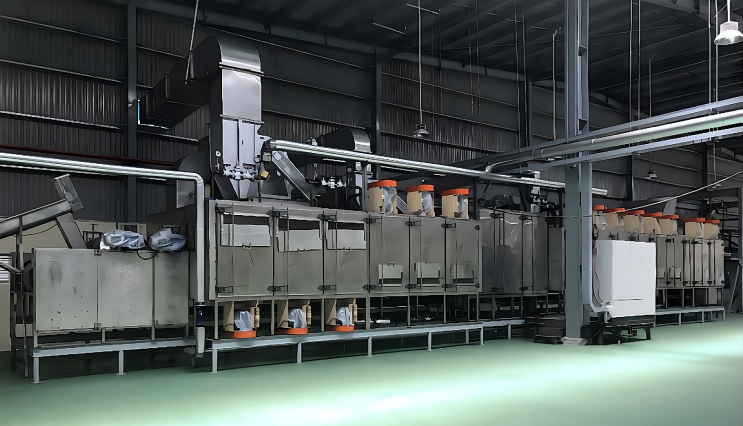
For municipal sludge & biosolids, GEM most often specifies the Mesh Belt Dryer (Meshotherm) and Paddle Dryer. Moisture targets differ by material, so the table below lists typical feed and target moisture for each of the 4 materials in this group, and every project is confirmed on your own sample in a pilot trial.
Municipal Sludge & Biosolids: moisture and dryer by material
| Material | Feed moisture | Target | Recommended dryer |
|---|---|---|---|
| Municipal Sewage Sludge | 75–82% | 10–15% | Mesh Belt Dryer |
| Biosolids | 75–82% | 5–10% | Mesh Belt Dryer |
| Digestate | 70–80% | 10–15% | Mesh Belt Dryer |
| Water Treatment Plant (Alum) Sludge | 75–85% | 10–20% | Paddle Dryer |
Typical values. Your material is confirmed in a pilot trial before sizing.
Which dryer for which material
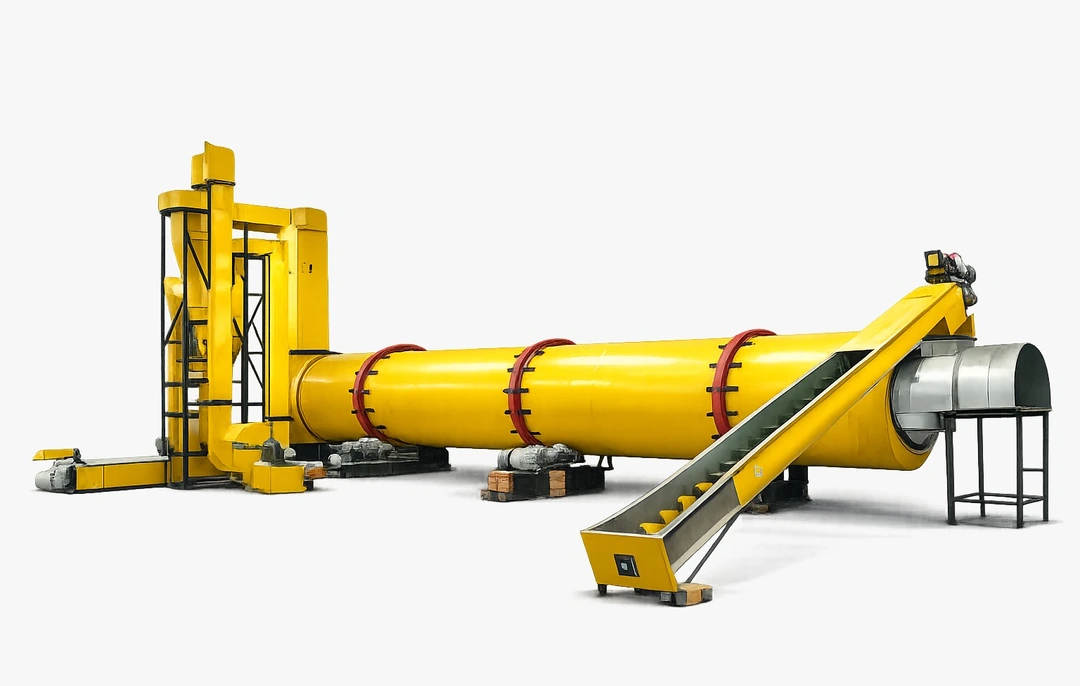
For sewage sludge, biosolids, digestate, the Mesh Belt Dryer (Meshotherm) is the primary recommendation. Through-air drying on a slow-moving belt copes with variable cake, keeps odour inside a closed housing and can often run on low-grade heat. Alum sludge is the exception: it shrinks into hard, tough lumps, so a Paddle Dryer is preferred, with Rotary and Mesh Belt Dryers as alternates. Other alternates include the Paddle Dryer, Rotary Tube Bundle Dryer and Band Dryer for sludge, and the Hybrid Belt + Fluid Bed Dryer (Aerodryve) or Rotary Dryer for digestate.



What makes municipal sludge & biosolids hard to dry
- Sewage cake passes through a glue-like phase at around 40–60% dry solids, where it smears, clumps and can stall poorly designed mixing equipment.
- Warming sludge and digestate releases ammonia and odour, so housings must run sealed under negative pressure, with exhaust air treated, often by acid scrubbing.
- Selling biosolids for land application depends on consistent dryness and temperature to meet pathogen-reduction rules, not merely a good average figure.
- Fibre and straw content in digestate shifts with the feedstock mix, changing bed density and drying behaviour from one week to the next.
Why it pays back
Every tonne of water removed is a tonne not hauled or landfilled, and thermal drying typically reduces sludge mass by two thirds or more. Beyond lower disposal cost, a dry, stabilised product reaches outlets wet cake cannot: cement kiln fuel, fertilizer granules, soil amendment or a clay substitute for bricks. For utilities, it also brings more predictable compliance with pathogen and odour requirements.
Materials in this group
Biosolids & Sewage Sludge Dryers: questions buyers ask
Why is a mesh belt dryer recommended for sewage sludge instead of a paddle dryer?
What dryness should biosolids and sewage sludge reach?
Can the same dryer process sludge and digestate from a co-digestion plant?
Send us a sample. See it dried.
We trial your material in our pilot facility before any equipment decision, then size the dryer from real data.
- Tell us the material, moisture and throughput.
- An engineer confirms the trial plan and sample shipping.
- You get drying data and a sized recommendation with a budget quotation.
Material not listed? Talk to our technical expert.
Describe it in the form, or message an engineer directly.
