Water treatment plant alum sludge drying handles residue from coagulation and filter backwashing at drinking water works. It consists of aluminium hydroxide floc, river silt, clay and organic colour, and is notoriously gelatinous and hard to dewater. Once dried it becomes an inert, clay-like mineral that brick, cement and construction users can take instead of landfill.
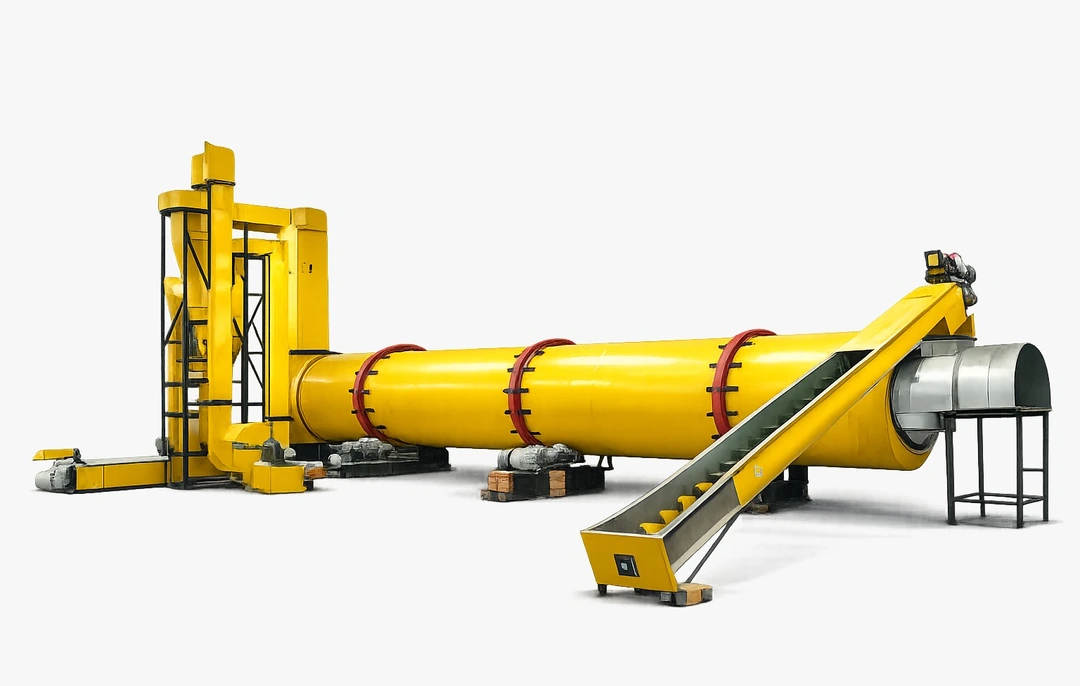
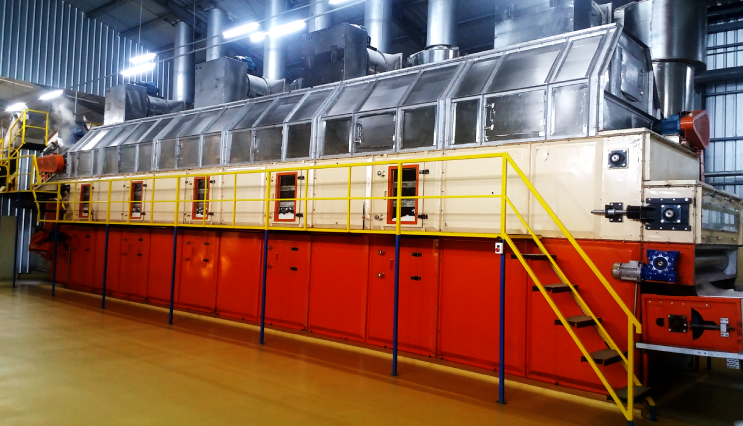
To dry water treatment plant (alum) sludge, GEM recommends the Paddle Dryer. Typical moisture is 75–85% in the feed and 10–20% after drying. Rotary Dryer and Mesh Belt Dryer are used when the feed or site calls for it. Every project starts with a pilot trial on your own sample.
A paddle dryer works the gelatinous cake continuously, breaking lumps as it hardens and using steam or thermal oil without large air volumes. Rotary dryers suit large works with silt-rich, less sticky sludge, and belts suit cake that extrudes well.
| Typical feed moisture | 75–85% |
| Typical target moisture | 10–20% |
| Recommended dryer | Paddle Dryer |
| Alternatives | Rotary Dryer, Mesh Belt Dryer |
| Application area | Sludge & Biosolids |
| Industries | Wastewater & Environmental |
Many water utilities still discharge or lagoon this sludge and face tightening regulation. Drying reduces volume for transport and gives a stable mineral that construction materials producers can use, avoiding lagoon dredging and landfill costs.
Plants searching for a alum sludge dryer or comparing a water treatment sludge drying usually need three answers: which dryer fits, what it costs to run, and how fast it pays back. For Water Treatment Plant (Alum) Sludge, we start from your throughput, current moisture (typically 75–85%) and the target (10–20%), trial a sample on the Paddle Dryer, and return a sized recommendation with a budget quotation for your wastewater operation.
Compare all 4 materials in Municipal Sludge & Biosolids or browse the wider Sludge & Biosolids family.
We trial your material in our pilot facility before any equipment decision, then size the dryer from real data.
Describe it in the form, or message an engineer directly.