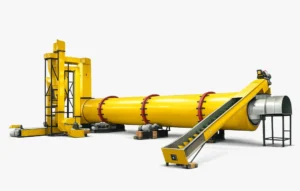
Clay Drying

20–30% → 2–8% moisture. About 20% of the feed weight leaves as water, so the product meets spec and handles freely.

  • Pilot trial on your own sample
  • 112+ installations in 7 countries
  • Engineer replies in 1 working day

Clay drying is mostly a battle with plasticity: at mine moisture the material smears, balls up and coats every surface it touches. Producers dry clay to make it grindable, flowable and cheaper to ship, and to give brick, tile and refractory plants a feed with predictable water content.

Quick answer

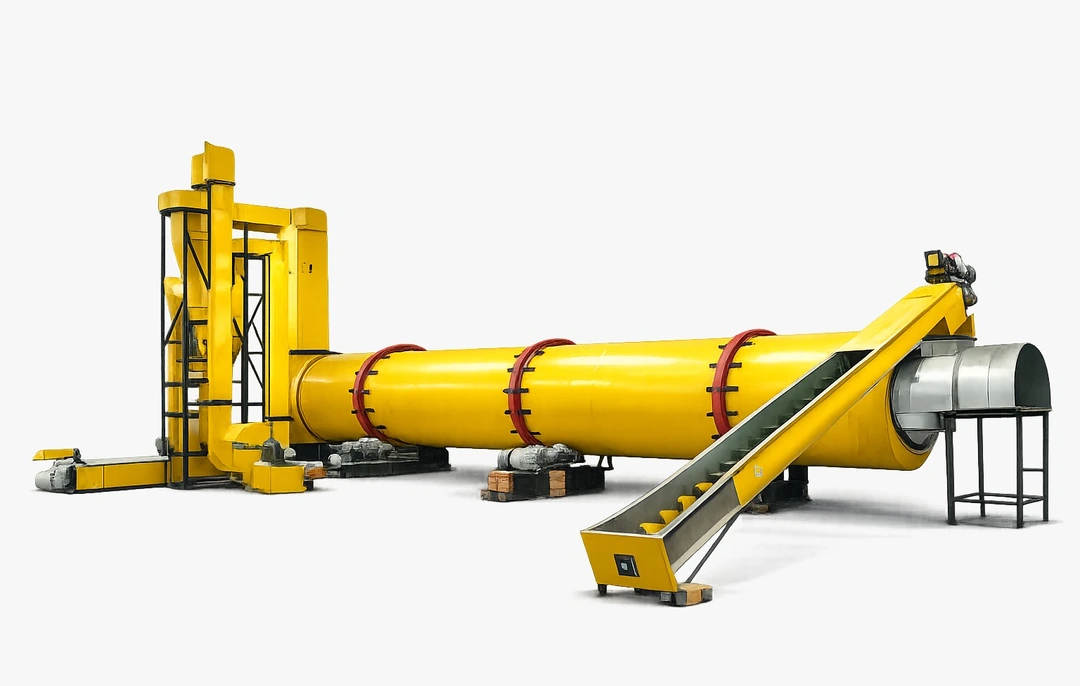
To dry clay, GEM recommends the Rotary Dryer. Typical moisture is 20–30% in the feed and 2–8% after drying. Rotary Cascade Dryer and Flash Dryer are used when the feed or site calls for it. Every project starts with a pilot trial on your own sample.

1998established112+installations7countriesDried & Testedin-house pilot trialsCertifications · Case studies
The challenge

What makes Clay hard to dry

  • Plastic clay between roughly 15% and 25% moisture forms a sticky phase that builds up on shells, flights and chutes.
  • Large lumps dry on the outside and stay wet inside unless they are broken down early in the dryer.
  • Fine particles become airborne as the clay dries, so exhaust dedusting must be sized for a heavy dust load.
  • Overheating some clays alters their mineral structure and plasticity, which ceramic customers notice immediately.
How GEM dries it

The right dryer for Clay

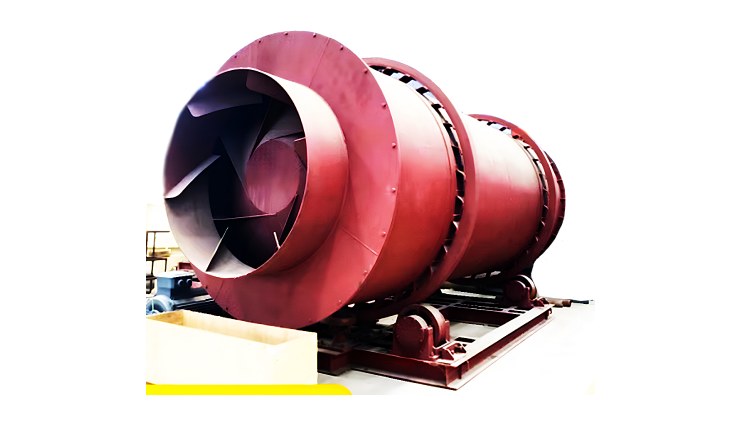
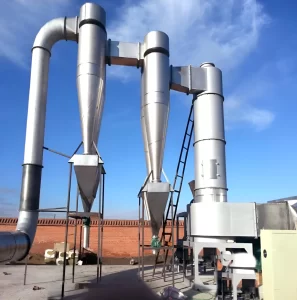
A direct rotary dryer with chains or knockers at the feed end breaks lumps and pushes clay through its sticky zone without stalling. A cascade dryer suits coarser, higher-throughput feeds; a flash dryer with an integral mill fits fine clay sold as powder.

Typical feed moisture20–30%
Typical target moisture2–8%
Recommended dryerRotary Dryer
AlternativesRotary Cascade Dryer, Flash Dryer
Application areaMinerals, Ores & Ceramics
IndustriesMinerals, Mining & Ceramics
The value

What drying Clay unlocks

Dried clay can be milled and screened instead of being sold as run-of-mine lump, which lifts price per tonne. Less water also means lower freight and fewer blocked hoppers and silos at the customer's plant.

Dried Clay becomes

  • Brick and tile body feed
  • Refractory raw material
  • Ground clay for fillers and binders
  • Bagged clay for construction
For buyers

Buying a Clay dryer?

Plants searching for a clay dryer or comparing a clay drying machine usually need three answers: which dryer fits, what it costs to run, and how fast it pays back. For Clay, we start from your throughput, current moisture (typically 20–30%) and the target (2–8%), trial a sample on the Rotary Dryer, and return a sized recommendation with a budget quotation for your minerals operation.

FAQ

Clay: questions buyers ask

How do you stop wet clay sticking inside a rotary dryer?
The feed end is fitted with chains, knockers or a lifter design that keeps clay moving and breaks build-up. Back-mixing some dried product with the wet feed can also carry the material past its stickiest moisture band.
Can you dry clay without changing its plasticity?
Yes, if product temperature is kept below the point where structural water starts to leave. Gas inlet temperature, co-current flow and residence time are set during a pilot trial on your clay so plasticity stays within specification.
Related

Related materials

Compare all 23 materials in Minerals, Ores & Ceramics.

Send us a sample. See it dried.

We trial your material in our pilot facility before any equipment decision, then size the dryer from real data.

  1. Tell us the material, moisture and throughput.
  2. An engineer confirms the trial plan and sample shipping.
  3. You get drying data and a sized recommendation with a budget quotation.

Material not listed? Talk to our technical expert.

Describe it in the form, or directly →

Request a trial or quotation

    An engineer replies within one working day. We never share your details.

    Chat with GEM Drytech on WhatsApp