Kaolin drying follows wet beneficiation, where the clay is classified, bleached and filter-pressed into a dense, pasty cake. Brightness and particle size are what customers pay for, so the dryer must remove water without staining, contaminating or agglomerating a product that paper, paint and ceramic plants buy on whiteness.
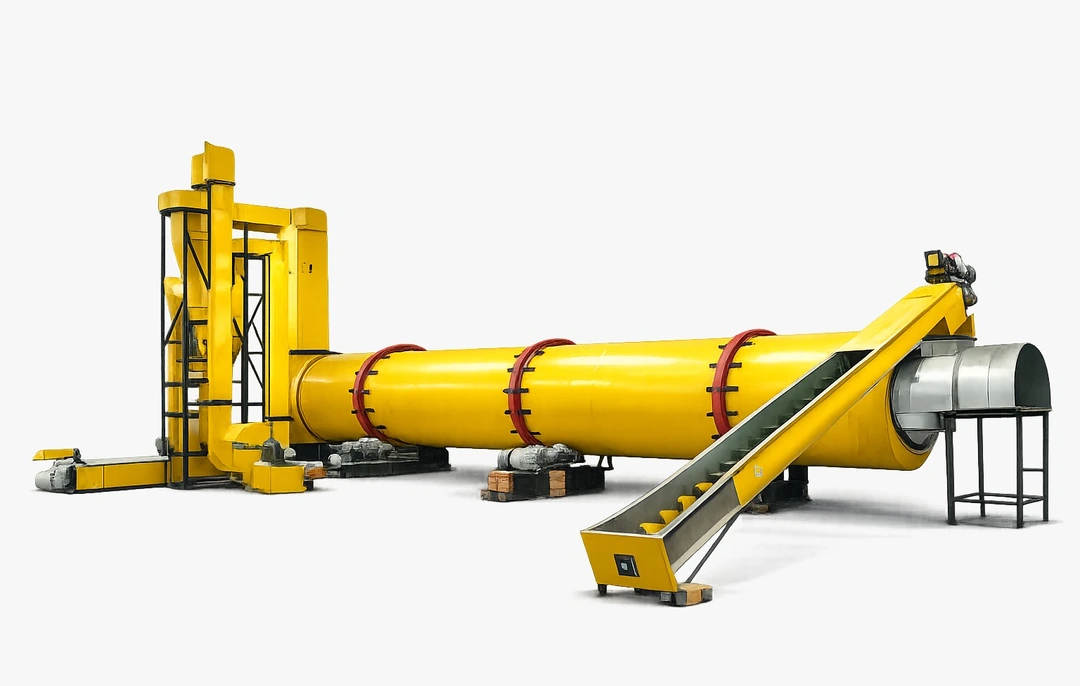
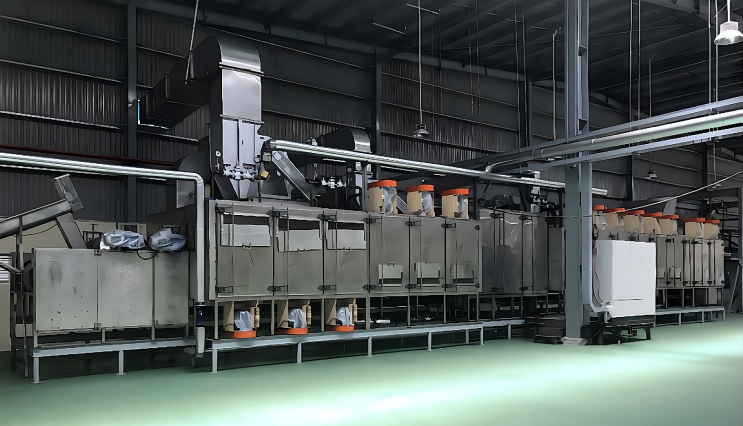
To dry kaolin, GEM recommends the Flash Dryer and Rotary Dryer. Typical moisture is 30–40% in the feed and 1–8% after drying. Band Dryer and Direct / Indirect Rotary Dryer are used when the feed or site calls for it. Every project starts with a pilot trial on your own sample.
A flash dryer with a disintegrator dries and de-agglomerates kaolin cake in seconds, giving a fine powder. Rotary dryers handle lump grades and higher tonnages. Extruded kaolin noodles dry well on a band dryer, and indirect rotary keeps flue gas off sensitive grades.
| Typical feed moisture | 30–40% |
| Typical target moisture | 1–8% |
| Recommended dryer | Flash Dryer, Rotary Dryer |
| Alternatives | Band Dryer, Direct / Indirect Rotary Dryer |
| Application area | Minerals, Ores & Ceramics |
| Industries | Minerals, Mining & Ceramics, Paper & Pulp |
Dry, free-flowing kaolin ships in bulk bags or tankers instead of as slurry, cutting freight on water. Controlled final moisture and brightness keep the product inside paper and ceramic specifications that command higher prices.
Plants searching for a kaolin dryer or comparing a kaolin filter cake drying usually need three answers: which dryer fits, what it costs to run, and how fast it pays back. For Kaolin, we start from your throughput, current moisture (typically 30–40%) and the target (1–8%), trial a sample on the Flash Dryer, and return a sized recommendation with a budget quotation for your minerals and paper operation.
We trial your material in our pilot facility before any equipment decision, then size the dryer from real data.
Describe it in the form, or message an engineer directly.