Distillery spent wash and stillage drying takes the dark, high-strength effluent left after alcohol distillation and dries its concentrate to a powder. For molasses distilleries it is usually a zero liquid discharge requirement, and the powder can be burned in a boiler or used as a potash-rich soil input. Concentration in evaporators comes first.
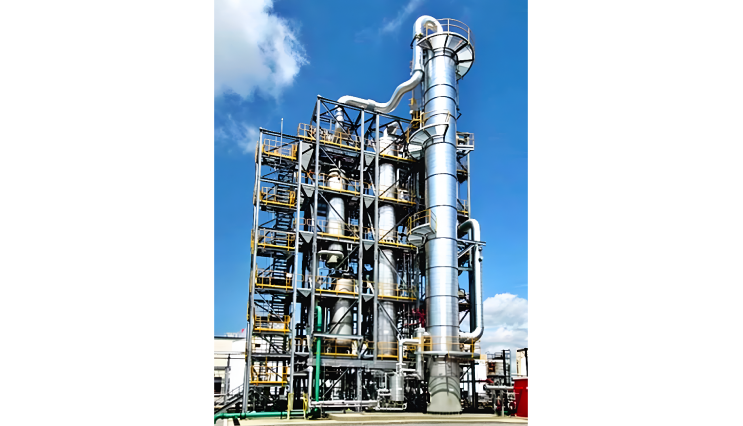
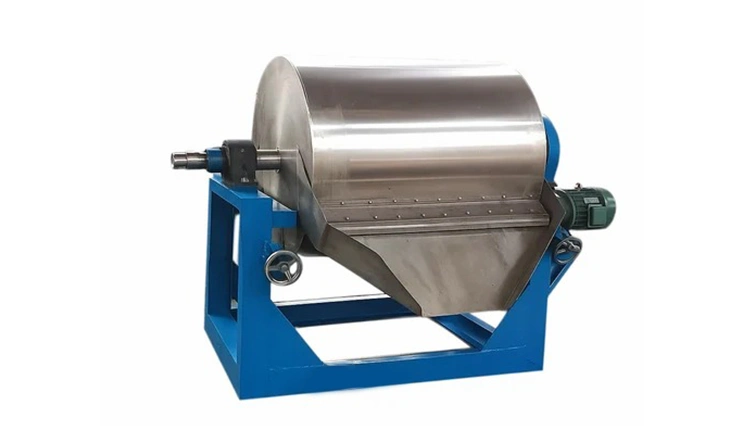
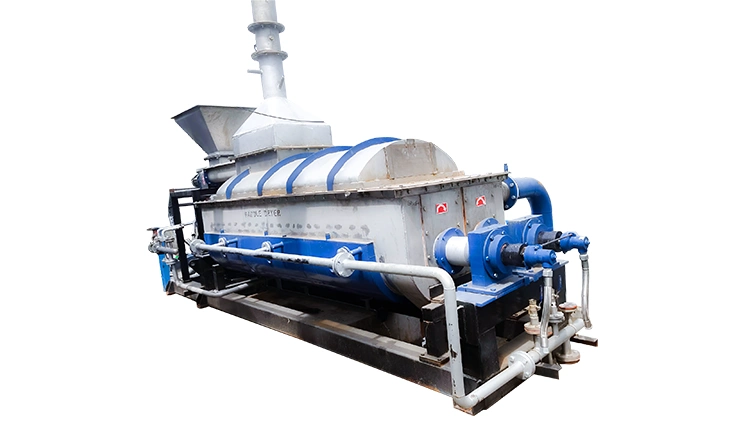
To dry distillery spent wash & stillage, GEM recommends the Agitated Thin Film Dryer. Typical moisture is 40–60% in the feed and 5–8% after drying. Single / Double Drum Dryer and Paddle Dryer are used when the feed or site calls for it. Every project starts with a pilot trial on your own sample.
An agitated thin film dryer handles the viscous evaporator concentrate and discharges dry powder, as required for zero liquid discharge. Drum dryers suit grain stillage concentrate, and paddle dryers handle partly thickened residues where a pasty phase must be mixed through.
| Typical feed moisture | 40–60% |
| Typical target moisture | 5–8% |
| Recommended dryer | Agitated Thin Film Dryer |
| Alternatives | Single / Double Drum Dryer, Paddle Dryer |
| Application area | Pomace, Pulp & By-products |
| Industries | Animal Feed, Breweries & Distilleries, Wastewater & Environmental |
Drying the concentrate helps distilleries meet discharge norms and avoid land application limits. The resulting powder can offset boiler fuel or be sold as a potash source rather than becoming stored sludge.
Plants searching for a spent wash dryer or comparing a distillery stillage drying usually need three answers: which dryer fits, what it costs to run, and how fast it pays back. For Distillery Spent Wash & Stillage, we start from your throughput, current moisture (typically 40–60%) and the target (5–8%), trial a sample on the Agitated Thin Film Dryer, and return a sized recommendation with a budget quotation for your animal feed and wastewater operation.
Compare all 8 materials in Brewery, Distillery & Beverage By-products or browse the wider Pomace, Pulp & By-products family.
We trial your material in our pilot facility before any equipment decision, then size the dryer from real data.
Describe it in the form, or message an engineer directly.