Food processing and DAF sludge drying handles the float skimmed from dissolved air flotation units and the settled sludge at dairies, meat and poultry plants, edible oil refineries and snack factories. Fat, oil, grease and protein make it energy-rich but extremely sticky and quick to spoil. Drying turns a putrescible liability into a stable fuel or rendering feed.
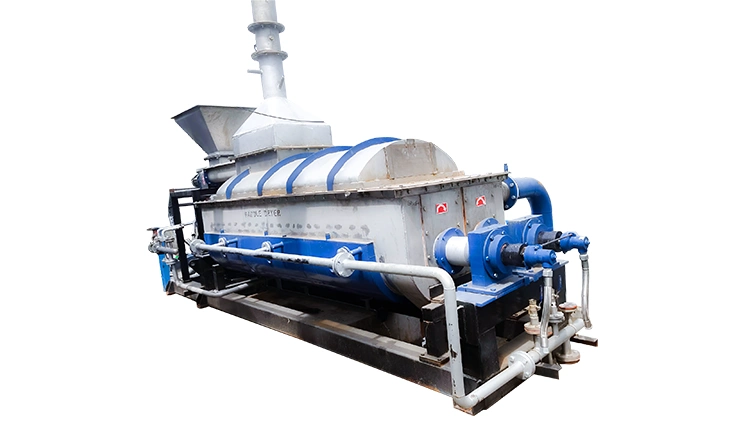
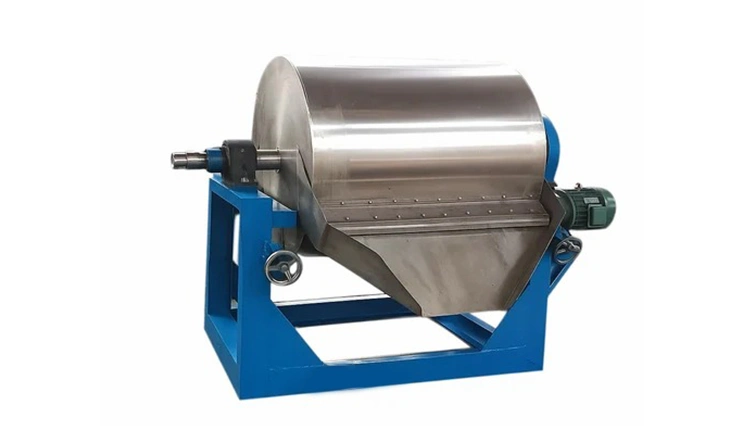
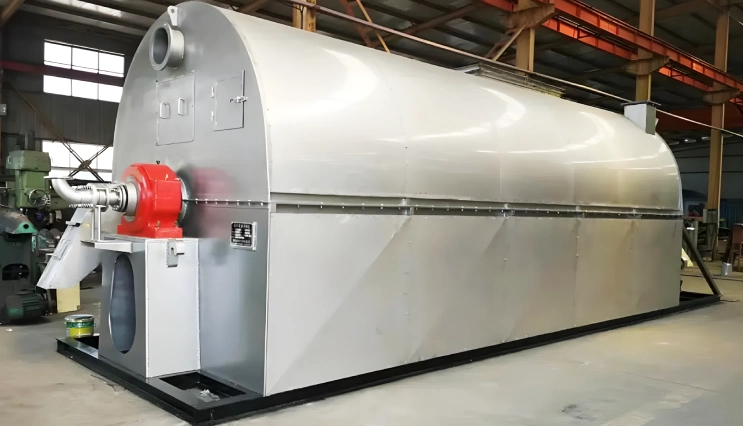
To dry food processing & DAF sludge, GEM recommends the Paddle Dryer. Typical moisture is 80–92% in the feed and 5–10% after drying. Single / Double Drum Dryer and Rotary Tube Bundle Dryer are used when the feed or site calls for it. Every project starts with a pilot trial on your own sample.
Indirect heating in a sealed paddle dryer avoids hot air meeting fat-laden solids, reducing fire risk, and its kneading action handles grease without plugging. A drum dryer suits thinner, pumpable float, while a tube bundle dryer fits larger rendering-style operations.
| Typical feed moisture | 80–92% |
| Typical target moisture | 5–10% |
| Recommended dryer | Paddle Dryer |
| Alternatives | Single / Double Drum Dryer, Rotary Tube Bundle Dryer |
| Application area | Sludge & Biosolids |
| Industries | Food & Beverage, Wastewater & Environmental |
Wet DAF sludge is costly to haul, often collected several times a week, and disposal options are shrinking. Drying cuts volume sharply, removes odour-driven pickups and yields a fat-rich solid that can displace purchased fuel.
Plants searching for a DAF sludge dryer or comparing a food processing sludge drying usually need three answers: which dryer fits, what it costs to run, and how fast it pays back. For Food Processing & DAF Sludge, we start from your throughput, current moisture (typically 80–92%) and the target (5–10%), trial a sample on the Paddle Dryer, and return a sized recommendation with a budget quotation for your food and wastewater operation.
Compare all 9 materials in ETP & Industrial Sludge or browse the wider Sludge & Biosolids family.
We trial your material in our pilot facility before any equipment decision, then size the dryer from real data.
Describe it in the form, or message an engineer directly.