Rendered meat and bone meal drying removes water from cooked animal by-products before fat is pressed out and the solids are milled into meal. Bone, hide and tissue fragments create an abrasive, fatty mixture, and regulated sterilisation conditions in many countries make rendering a tightly controlled, enclosed operation.
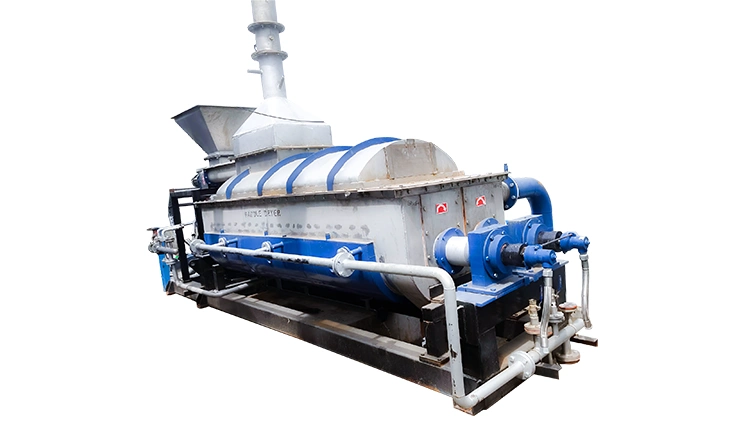
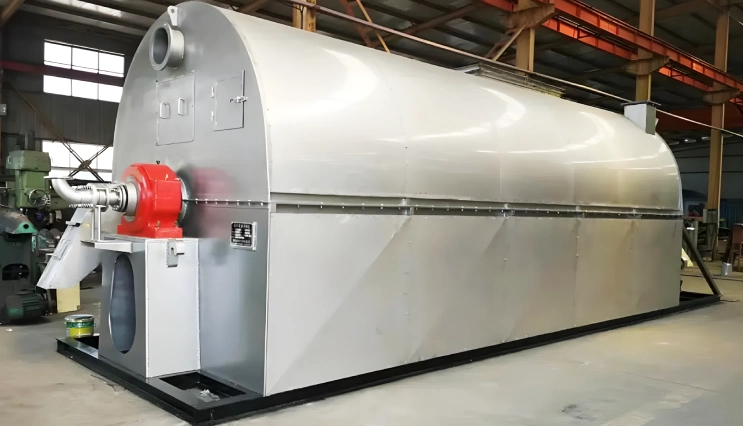
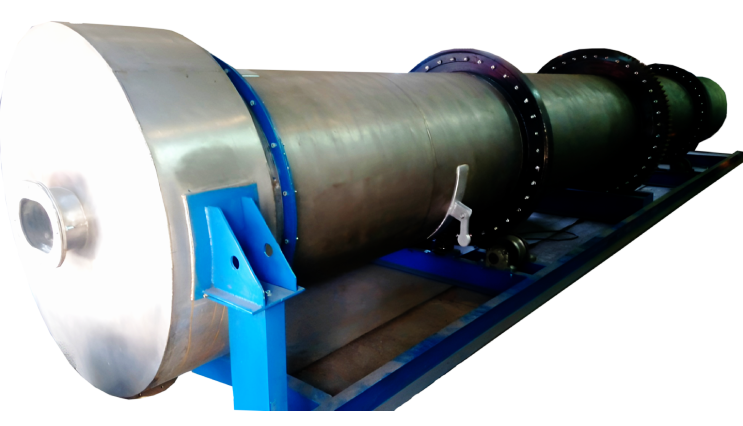
To dry rendered meat & bone meal, GEM recommends the Paddle Dryer and Rotary Tube Bundle Dryer. Typical moisture is 45–60% in the feed and 5–8% after drying. Direct / Indirect Rotary Dryer and Industrial Cooler are used when the feed or site calls for it. Every project starts with a pilot trial on your own sample.
Paddle and steam-tube dryers heat the fatty, abrasive mass indirectly in sealed vessels, which suits tallow handling and odour control. An indirect rotary dryer is chosen for very high throughputs, and a cooler conditions meal before milling.
| Typical feed moisture | 45–60% |
| Typical target moisture | 5–8% |
| Recommended dryer | Paddle Dryer, Rotary Tube Bundle Dryer |
| Alternatives | Direct / Indirect Rotary Dryer, Industrial Cooler |
| Application area | Animal, Aqua & Pet Feed |
| Industries | Animal Feed, Breweries & Distilleries |
Drying turns slaughter by-products from disposal liabilities into sellable protein meal and tallow. Efficient indirect drying reduces fuel use and supports permit compliance on odour.
Plants searching for a meat and bone meal dryer or comparing a rendering dryer usually need three answers: which dryer fits, what it costs to run, and how fast it pays back. For Rendered Meat & Bone Meal, we start from your throughput, current moisture (typically 45–60%) and the target (5–8%), trial a sample on the Paddle Dryer, and return a sized recommendation with a budget quotation for your animal feed operation.
Compare all 3 materials in Feed Proteins & Meals or browse the wider Animal, Aqua & Pet Feed family.
We trial your material in our pilot facility before any equipment decision, then size the dryer from real data.
Describe it in the form, or message an engineer directly.