Nickel Catalyst Drying

  • Pilot trial on your own sample
  • 112+ installations in 7 countries
  • Engineer replies in 1 working day

Nickel catalyst drying covers precipitated nickel-on-support filter cake before reduction and, separately, reduced catalyst coated in hardened fat for edible oil hydrogenation. The reduced metal is pyrophoric and nickel compounds are carcinogenic, so drying is done in sealed, controlled equipment rather than open hot air.

Quick answer

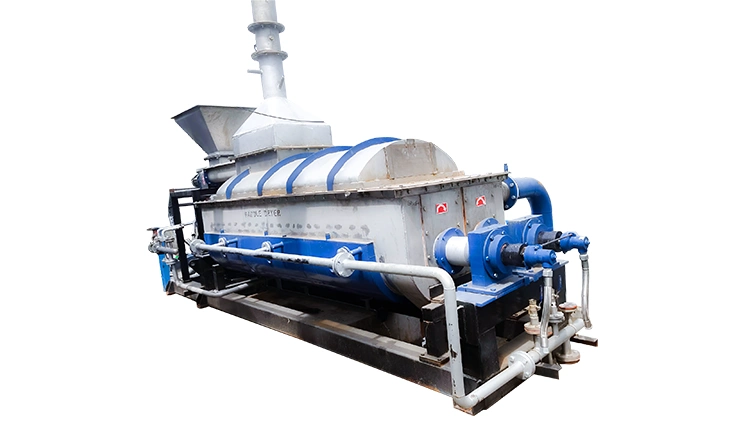
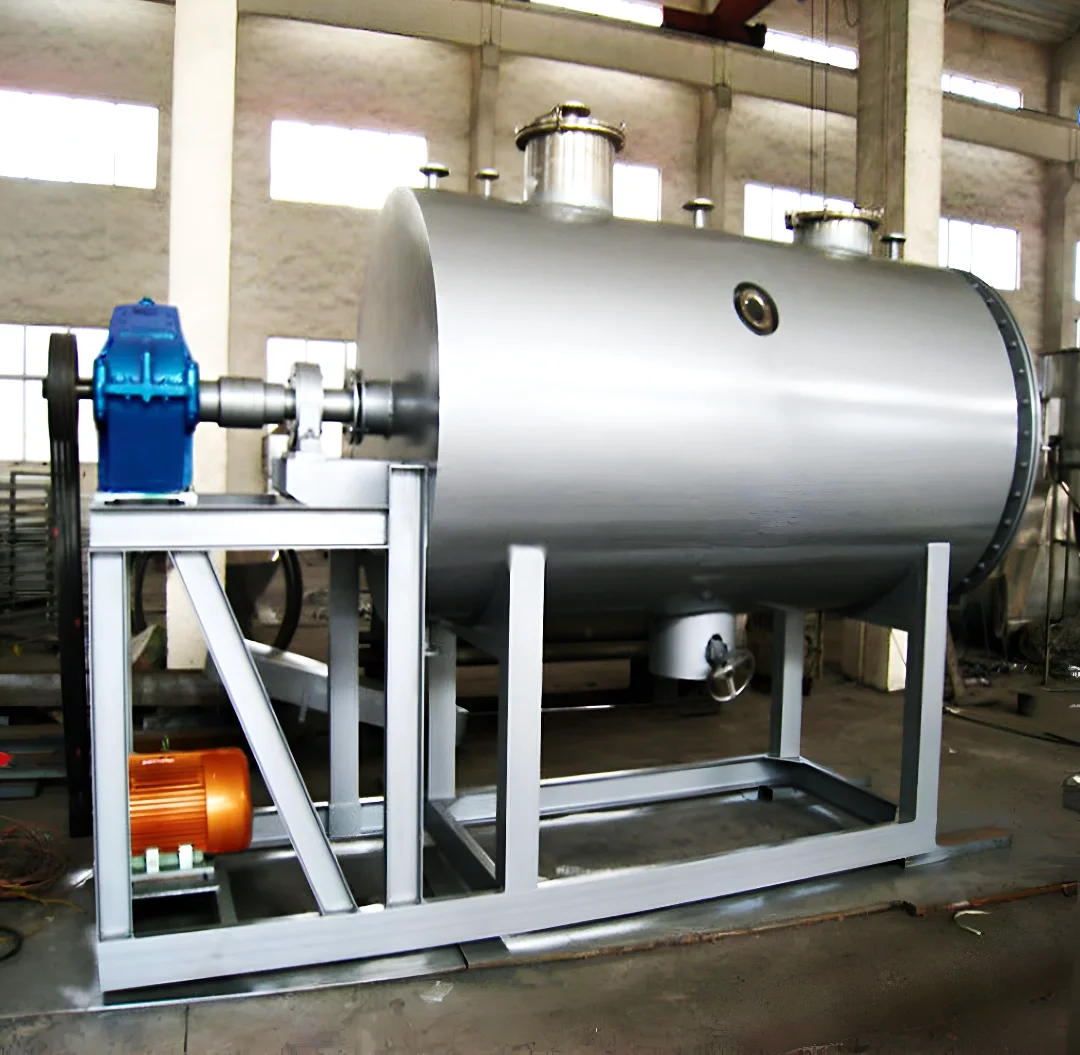
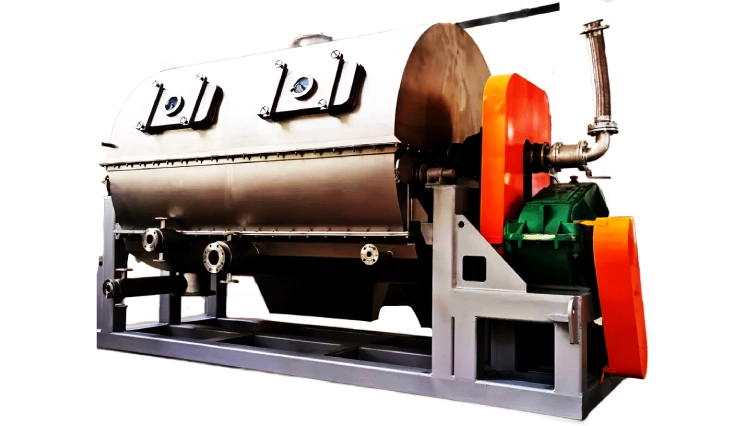
To dry nickel catalyst, GEM recommends the Paddle Dryer and Rotary Vacuum Dryer. Drum Flaker is used when the feed or site calls for it. Every project starts with a pilot trial on your own sample.

1998established112+installations7countriesDried & Testedin-house pilot trialsCertifications · Case studies
The challenge

What makes Nickel Catalyst hard to dry

  • Reduced nickel catalyst can self-ignite in air, so it is handled under oil, fat or inert gas.
  • Nickel dust is a carcinogen and sensitiser, requiring sealed equipment and high-efficiency filtration.
  • Precursor cake drying temperature and rate influence pore structure, nickel dispersion and the activity of the finished catalyst.
  • Fat-coated catalyst must be flaked evenly so customers can dose it accurately.
How GEM dries it

The right dryer for Nickel Catalyst

A sealed paddle dryer or rotary vacuum dryer dries precursor cake with low gas flow, containing dust and holding the controlled temperature that shapes catalyst activity. A drum flaker solidifies reduced catalyst dispersed in hardened fat into protective flakes.

Recommended dryerPaddle Dryer, Rotary Vacuum Dryer
AlternativesDrum Flaker
Application areaChemicals & Salts
IndustriesChemicals & Specialty Chemicals
The value

What drying Nickel Catalyst unlocks

Controlled drying protects catalyst activity, which sets how much catalyst customers consume per tonne of oil, and sealed handling reduces worker exposure to nickel compounds.

Dried Nickel Catalyst becomes

  • Edible oil and fat hydrogenation catalyst
  • Fatty alcohol and oleochemical catalyst
  • Steam reforming and methanation catalyst
  • Chemical hydrogenation reagents
For buyers

Buying a Nickel Catalyst dryer?

Plants searching for a nickel catalyst dryer or comparing a catalyst precursor drying usually need three answers: which dryer fits, what it costs to run, and how fast it pays back. For Nickel Catalyst, we start from your throughput, current moisture and the target, trial a sample on the Paddle Dryer, and return a sized recommendation with a budget quotation for your chemicals operation.

FAQ

Nickel Catalyst: questions buyers ask

Can reduced nickel catalyst be dried in air?
No. It is pyrophoric. It is kept under inert gas, oil or hardened fat, and drying steps are sealed. Transfers are also kept closed and inerted.
Does drying temperature affect catalyst performance?
It can change pore structure and surface area. Trials help define a temperature window that keeps activity on target. Activity tests on dried samples confirm the right drying conditions.

Send us a sample. See it dried.

We trial your material in our pilot facility before any equipment decision, then size the dryer from real data.

  1. Tell us the material, moisture and throughput.
  2. An engineer confirms the trial plan and sample shipping.
  3. You get drying data and a sized recommendation with a budget quotation.

Material not listed? Talk to our technical expert.

Describe it in the form, or directly →

Request a trial or quotation

    An engineer replies within one working day. We never share your details.

    Chat with GEM Drytech on WhatsApp