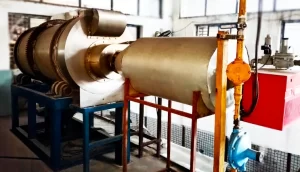
Potassium carbonate drying converts crystallised sesquihydrate or wet granules into anhydrous calcined potash for glass, detergent and food uses. The bound water only leaves at elevated temperature, and the dry product absorbs moisture from air almost immediately, so drying, cooling and packing must be closely linked.
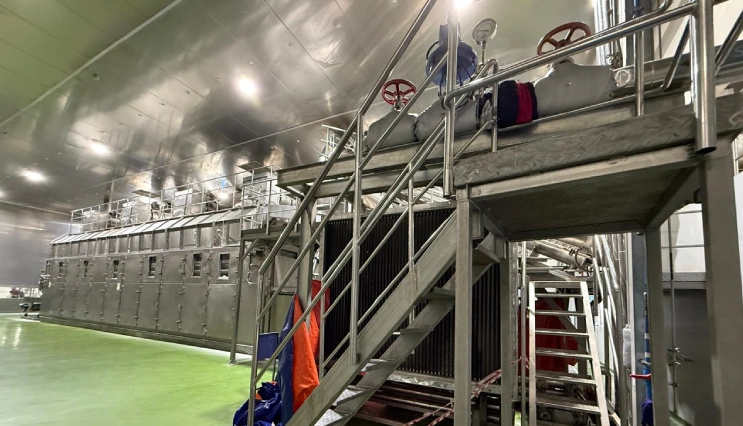
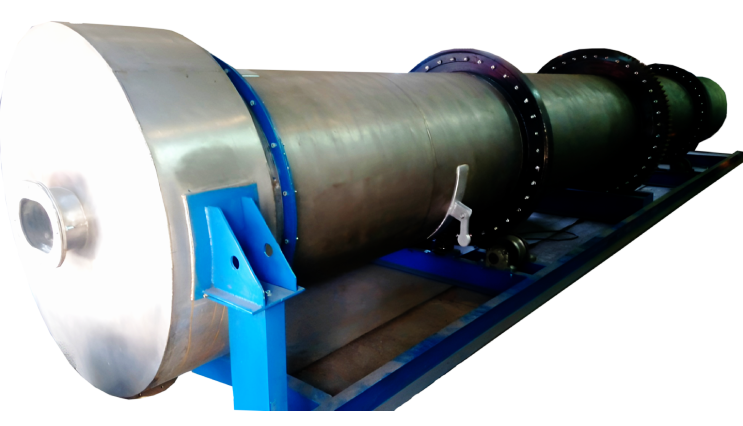
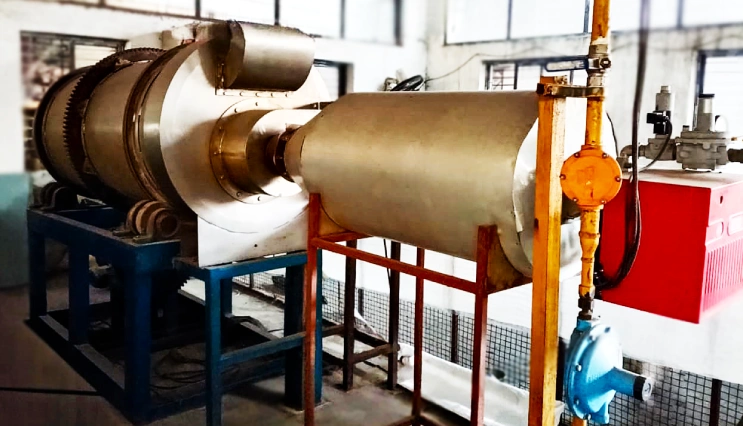
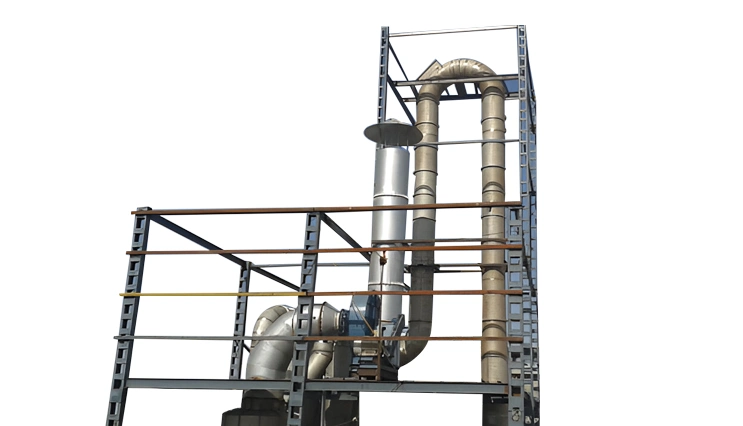
To dry potassium carbonate, GEM recommends the Combination Fluid Bed Dryer and Direct / Indirect Rotary Dryer. The usual target is ≤0.5% moisture. Rotary Louvre Dryer and Flash Dryer are used when the feed or site calls for it. Every project starts with a pilot trial on your own sample.
A combination fluid bed dries surface moisture and removes part of the crystal water in staged zones; final calcining to anhydrous grade is done in an indirect rotary dryer. An indirect rotary dryer suits calcining where gas contact must be avoided; louvre rotary and flash dryers handle surface drying of free-flowing crystals.
| Typical target moisture | ≤0.5% |
| Recommended dryer | Combination Fluid Bed Dryer, Direct / Indirect Rotary Dryer |
| Alternatives | Rotary Louvre Dryer, Flash Dryer |
| Application area | Chemicals & Salts |
| Industries | Chemicals & Specialty Chemicals |
Fully anhydrous, low-iron potash commands a higher price in glass and electronics markets, and controlled calcining avoids returns from buyers who find hydrate or lumps on delivery.
Plants searching for a potassium carbonate dryer or comparing a potassium carbonate calciner usually need three answers: which dryer fits, what it costs to run, and how fast it pays back. For Potassium Carbonate, we start from your throughput, current moisture and the target (≤0.5%), trial a sample on the Combination Fluid Bed Dryer, and return a sized recommendation with a budget quotation for your chemicals operation.
We trial your material in our pilot facility before any equipment decision, then size the dryer from real data.
Describe it in the form, or Message an Engineer directly →