Sodium bicarbonate drying is a temperature-sensitive job: the wet cake from carbonation starts to decompose into soda ash, carbon dioxide and water as product temperature rises, so assay falls if the dryer runs too hot. Food, pharma and feed grades also need tight particle size and very low free moisture.
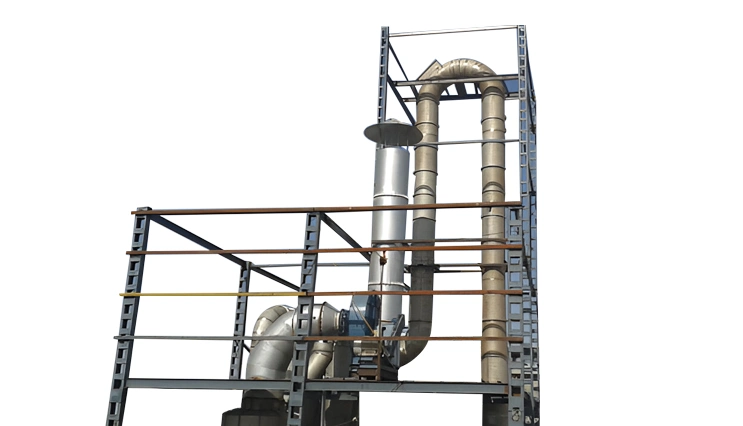
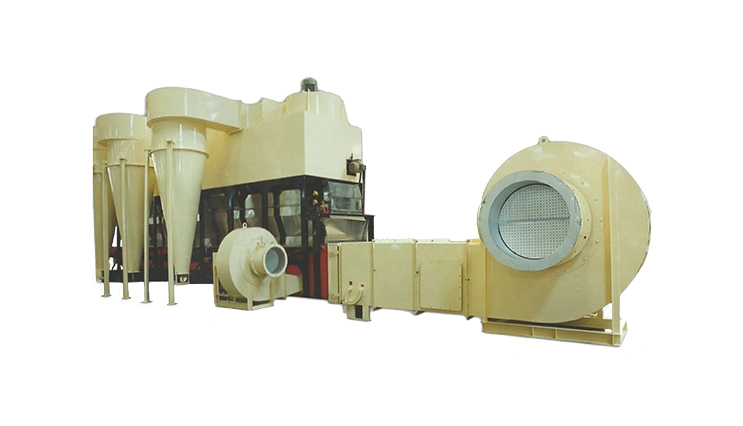
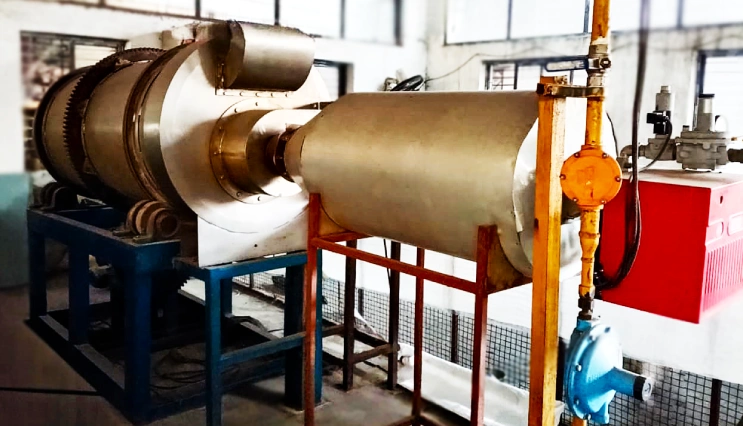
To dry sodium bicarbonate, GEM recommends the Flash Dryer and Vibratory Fluid Bed Dryer. Typical moisture is 5–10% in the feed and ≤0.2% after drying. Rotary Louvre Dryer is used when the feed or site calls for it. Every project starts with a pilot trial on your own sample.
A flash dryer removes surface moisture in seconds, so the product temperature stays low and decomposition is limited. A vibratory fluid bed suits coarser crystal grades with a cooling zone; a louvre rotary dryer is used for high-tonnage technical grades.
| Typical feed moisture | 5–10% |
| Typical target moisture | ≤0.2% |
| Recommended dryer | Flash Dryer, Vibratory Fluid Bed Dryer |
| Alternatives | Rotary Louvre Dryer |
| Application area | Chemicals & Salts |
| Industries | Chemicals & Specialty Chemicals, Food & Beverage |
Holding assay and particle size secures food and pharma premiums, while fast, low-temperature drying reduces off-spec product that would otherwise be sold as lower-value soda ash or technical grade.
Plants searching for a sodium bicarbonate dryer or comparing a baking soda drying plant usually need three answers: which dryer fits, what it costs to run, and how fast it pays back. For Sodium Bicarbonate, we start from your throughput, current moisture (typically 5–10%) and the target (≤0.2%), trial a sample on the Flash Dryer, and return a sized recommendation with a budget quotation for your chemicals and food operation.
We trial your material in our pilot facility before any equipment decision, then size the dryer from real data.
Describe it in the form, or message an engineer directly.