Spent tea leaves drying handles the soaked leaf left after hot-water extraction in instant tea and ready-to-drink tea plants. The extracted leaf is soft, fibrous and low in oil, so it forms an open bed that dries readily in moving air. Plants dry it for boiler fuel, compost, feed trials or fibre products instead of sending wet waste off-site.
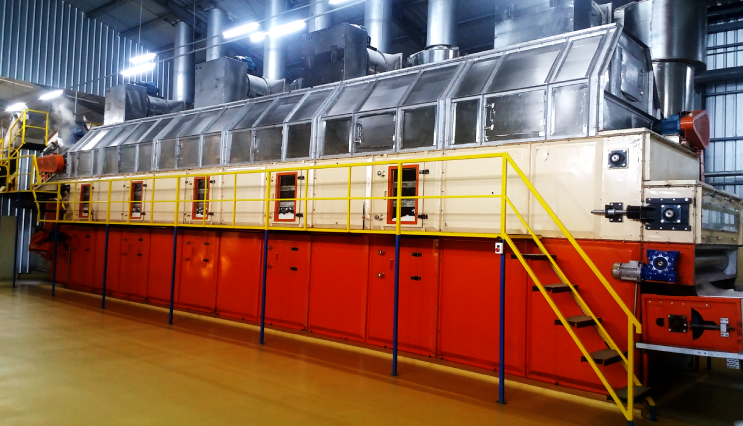
To dry spent tea leaves, GEM recommends the Mesh Belt Dryer (Meshotherm). Typical moisture is 70–80% in the feed and 8–12% after drying. Band Dryer and Rotary Dryer are used when the feed or site calls for it. Every project starts with a pilot trial on your own sample.
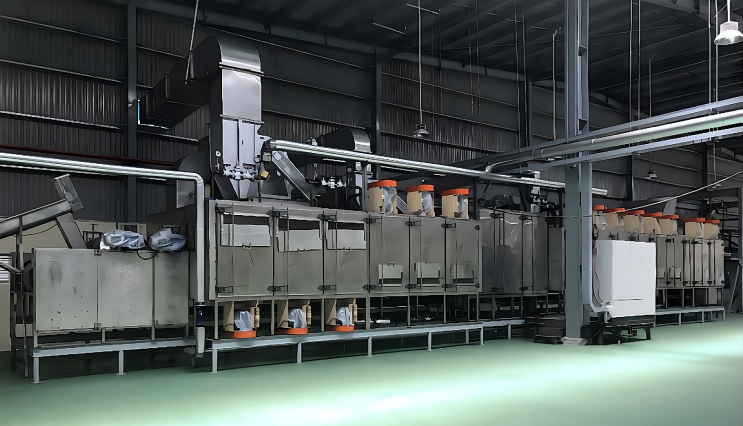
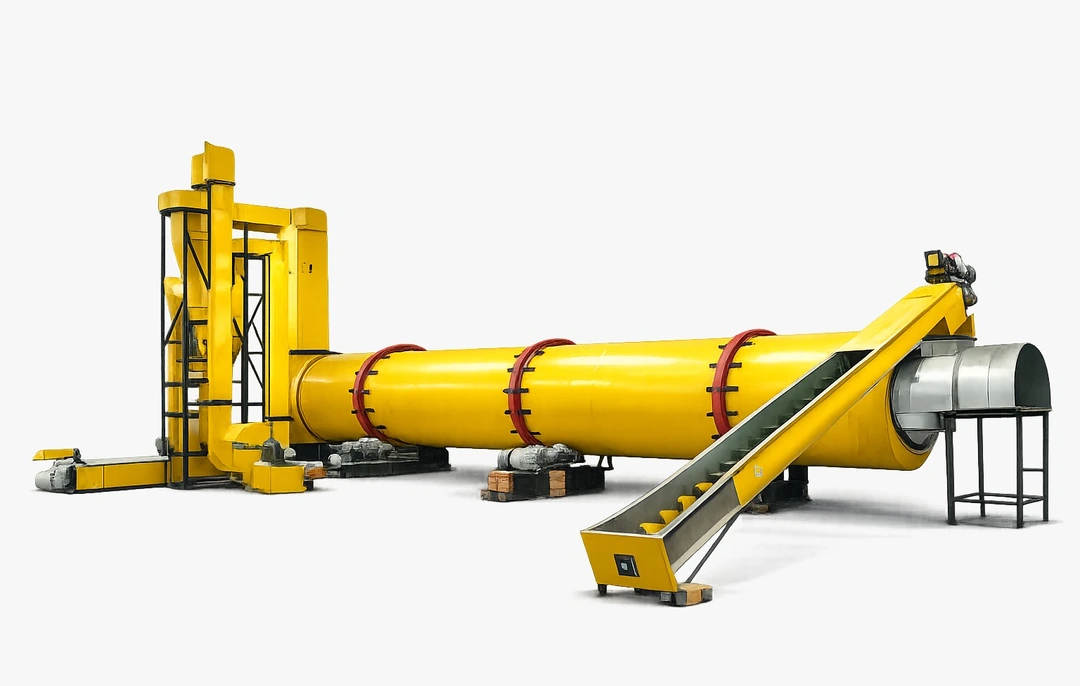
Spent tea leaf forms a porous, non-oily bed, which a Meshotherm mesh belt dryer handles economically with through-air drying. A Beltotherm band suits product destined for food fibre, and a rotary dryer suits mixed tea and coffee waste streams.
| Typical feed moisture | 70–80% |
| Typical target moisture | 8–12% |
| Recommended dryer | Mesh Belt Dryer (Meshotherm) |
| Alternatives | Band Dryer, Rotary Dryer |
| Application area | Pomace, Pulp & By-products |
| Industries | Food & Beverage, Biomass, Bioenergy & Recycling |
Wet spent leaf is heavy and rots quickly, adding disposal costs at extraction plants. Dried leaf can fuel the plant's own boiler or be sold to compost and fibre users, cutting both disposal and fuel bills.
Plants searching for a spent tea leaves dryer or comparing a tea waste drying machine usually need three answers: which dryer fits, what it costs to run, and how fast it pays back. For Spent Tea Leaves, we start from your throughput, current moisture (typically 70–80%) and the target (8–12%), trial a sample on the Mesh Belt Dryer, and return a sized recommendation with a budget quotation for your food and biomass operation.
Compare all 8 materials in Brewery, Distillery & Beverage By-products or browse the wider Pomace, Pulp & By-products family.
We trial your material in our pilot facility before any equipment decision, then size the dryer from real data.
Describe it in the form, or message an engineer directly.