5–8% → 1–2% moisture. About 5% of the feed weight leaves as water, giving a stable product that stores and ships.
Roasted nuts drying and roasting brings peanuts, cashews, almonds, hazelnuts and other kernels to a low moisture, developing flavour and colour through controlled heat. Nuts are rich in oil, so the margin between well roasted and scorched is narrow. Processors roast nuts for snack packs, confectionery, nut butters and bakery toppings where flavour consistency defines the brand.
To dry roasted nuts, GEM recommends the Industrial Roaster. Typical moisture is 5–8% in the feed and 1–2% after drying. Band Dryer and Industrial Cooler are used when the feed or site calls for it. Every project starts with a pilot trial on your own sample.
A dedicated roaster gives the controlled hot-air contact nuts need for even colour and flavour. A band dryer is chosen for gentle drying of washed or blanched kernels, and a cooler stops roasting quickly to hold the target colour.
| Typical feed moisture | 5–8% |
| Typical target moisture | 1–2% |
| Recommended dryer | Industrial Roaster |
| Alternatives | Band Dryer, Industrial Cooler |
| Application area | Food Products & Snacks |
| Industries | Food & Beverage |
Consistent roast colour reduces rejects and complaints, and fast cooling protects shelf life by limiting oil oxidation. Continuous roasting raises throughput and labour efficiency compared with drum or pan roasting.
Plants searching for a nut roasting machine or comparing a peanut roaster usually need three answers: which dryer fits, what it costs to run, and how fast it pays back. For Roasted Nuts, we start from your throughput, current moisture (typically 5–8%) and the target (1–2%), trial a sample on the Industrial Roaster, and return a sized recommendation with a budget quotation for your food operation.
We trial your material in our pilot facility before any equipment decision, then size the dryer from real data.
Describe it in the form, or Message an Engineer directly →



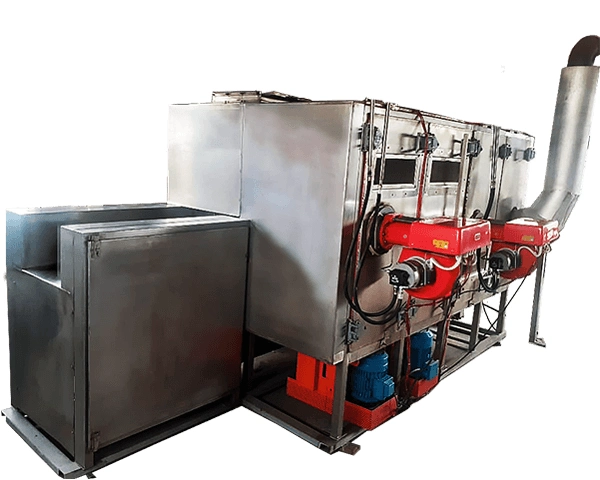 Industrial Roaster
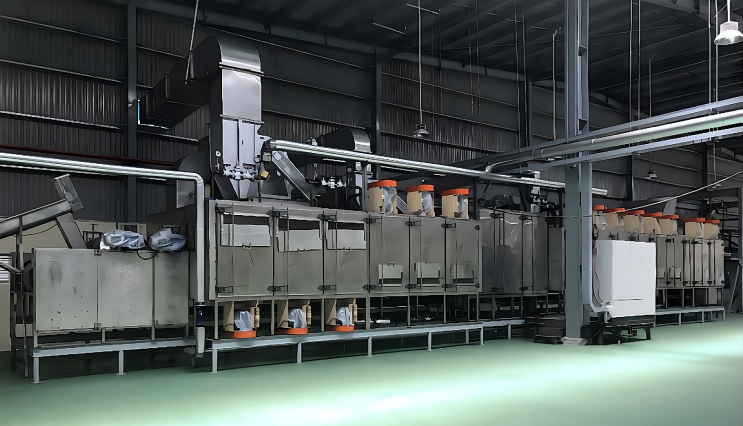 Band Dryer
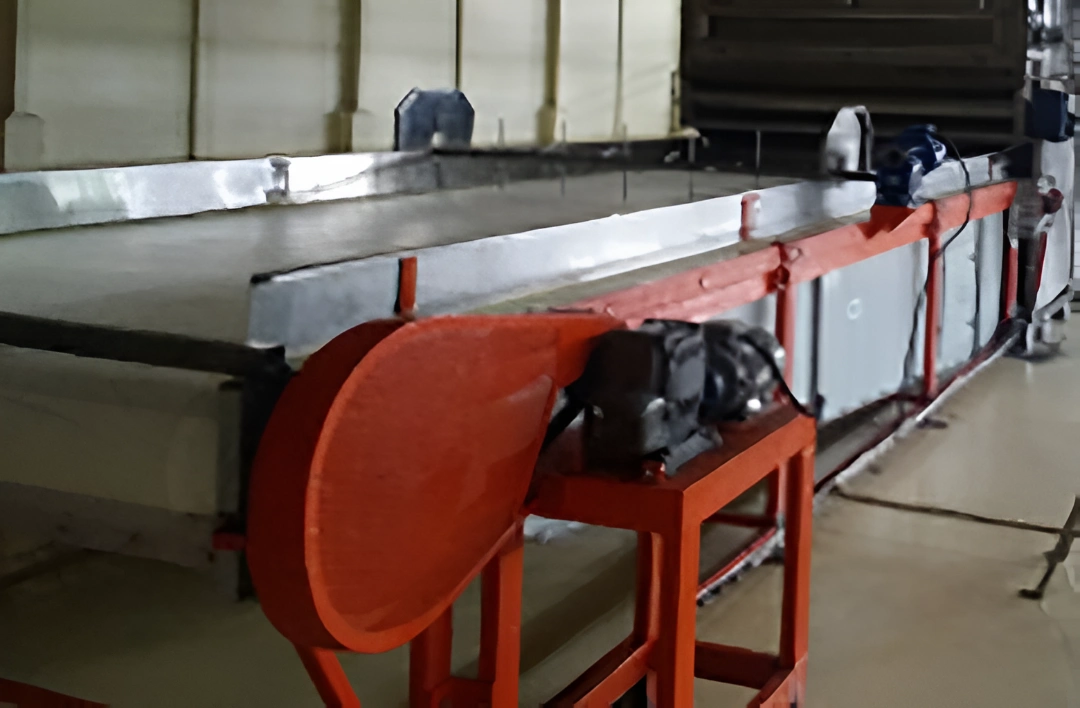 Industrial Cooler