Cocoa beans drying follows fermentation and finishes flavour development: wet beans at 55–60% moisture must reach about 6–8% while acetic acid escapes and the beans turn from purple to brown. Drying too fast traps acidity, while drying too slowly allows mould, so growers and cooperatives move to mechanical drying when sun drying cannot keep pace or rain interrupts it.
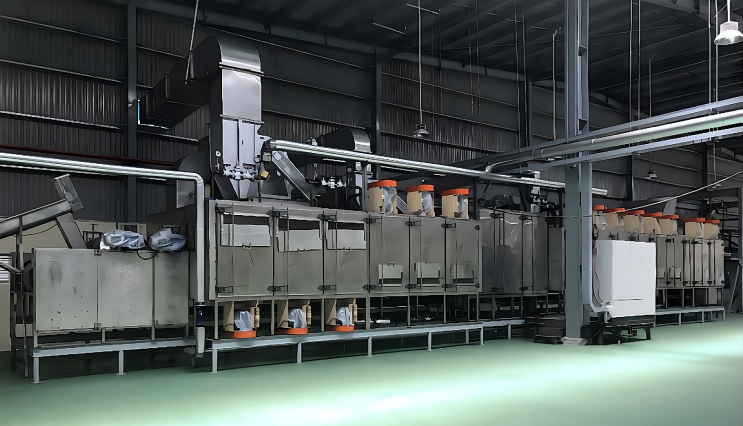
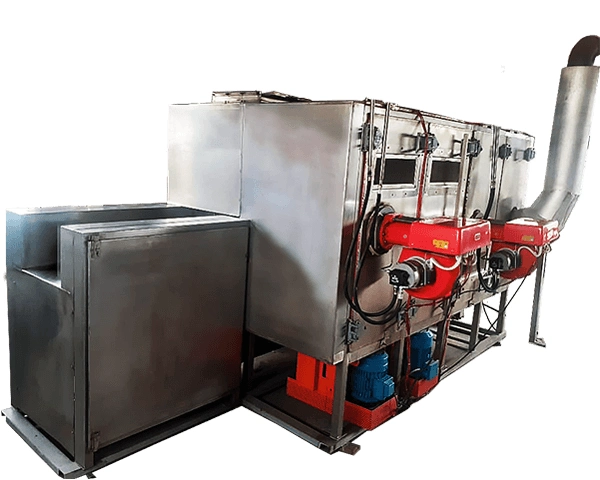
To dry cocoa beans, GEM recommends the Band Dryer (Beltotherm) and Multi-Pass Conveyor Dryer. Typical moisture is 55–60% in the feed and 6–8% after drying. Industrial Roaster is used when the feed or site calls for it. Every project starts with a pilot trial on your own sample.
A band or multi-pass conveyor dryer with indirect heating gives clean, smoke-free air and slow, even drying that lets acids escape. A roaster is added where the processor goes further, roasting dried beans for nibs or cocoa liquor.
| Typical feed moisture | 55–60% |
| Typical target moisture | 6–8% |
| Recommended dryer | Band Dryer (Beltotherm), Multi-Pass Conveyor Dryer |
| Alternatives | Industrial Roaster |
| Application area | Grains, Pulses & Seeds |
| Industries | Agriculture & Grain Processing, Food & Beverage |
Well-dried, smoke-free beans meet export grades and avoid discounts for mould or slaty beans. Mechanical drying also lets cooperatives handle peak harvests and supply consistent lots to chocolate makers.
Plants searching for a cocoa bean dryer or comparing a cocoa drying machine usually need three answers: which dryer fits, what it costs to run, and how fast it pays back. For Cocoa Beans, we start from your throughput, current moisture (typically 55–60%) and the target (6–8%), trial a sample on the Band Dryer, and return a sized recommendation with a budget quotation for your agriculture and food operation.
We trial your material in our pilot facility before any equipment decision, then size the dryer from real data.
Describe it in the form, or message an engineer directly.