Copra drying reduces split coconut kernel from about half water to roughly 6% so it can be stored, traded and pressed for oil. Traditional sun and smoke kilns leave copra smoky, mouldy and at risk of aflatoxin. Clean hot-air drying produces white copra that yields better oil with less refining loss.
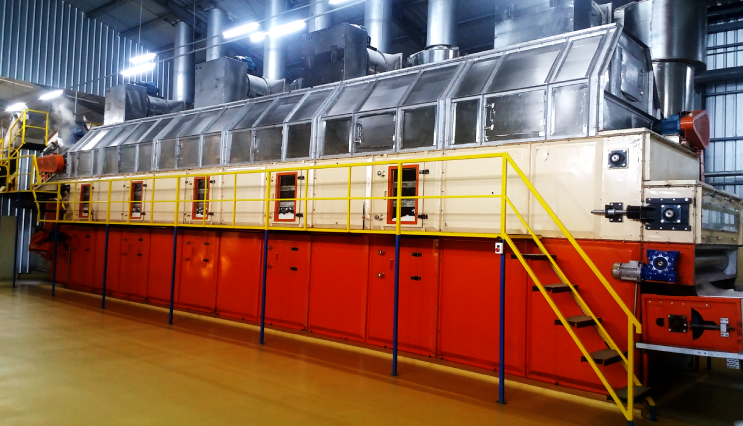
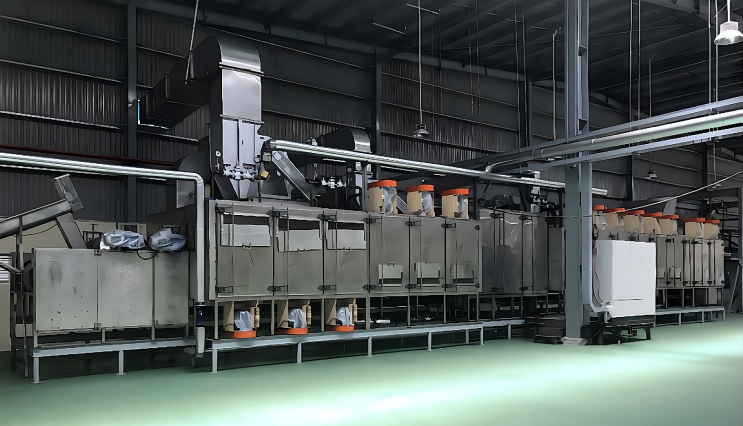
To dry copra, GEM recommends the Mesh Belt Dryer (Meshotherm) and Band Dryer (Beltotherm). Typical moisture is 45–55% in the feed and 5–7% after drying. Multi-Pass Conveyor Dryer is used when the feed or site calls for it. Every project starts with a pilot trial on your own sample.
A Meshotherm mesh-belt dryer pushes clean hot air through a deep bed of kernel pieces at low running cost, with heat from an indirect heat exchanger so no smoke contacts the copra. A band dryer is chosen for edible-grade, ball or white copra.
| Typical feed moisture | 45–55% |
| Typical target moisture | 5–7% |
| Recommended dryer | Mesh Belt Dryer (Meshotherm), Band Dryer (Beltotherm) |
| Alternatives | Multi-Pass Conveyor Dryer |
| Application area | Food Dehydration |
| Industries | Food & Beverage, Agriculture & Grain Processing |
Clean, low-FFA copra fetches a higher price and gives more oil with lower refining losses. Controlled drying also cuts the days of stock held in kilns and reduces aflatoxin rejections from oil mills.
Plants searching for a copra dryer or comparing a copra drying machine usually need three answers: which dryer fits, what it costs to run, and how fast it pays back. For Copra, we start from your throughput, current moisture (typically 45–55%) and the target (5–7%), trial a sample on the Mesh Belt Dryer, and return a sized recommendation with a budget quotation for your food and agriculture operation.
Compare all 4 materials in Coconut Processing or browse the wider Food Dehydration family.
We trial your material in our pilot facility before any equipment decision, then size the dryer from real data.
Describe it in the form, or message an engineer directly.