Cassava pulp drying turns the fibrous residue left after starch extraction at tapioca mills into a storable feed or fibre ingredient. The pulp still holds residual starch and some cyanogenic compounds, and it ferments quickly in tropical heat. Starch factories dry it to remove large daily volumes of wet waste and sell the dried pulp.
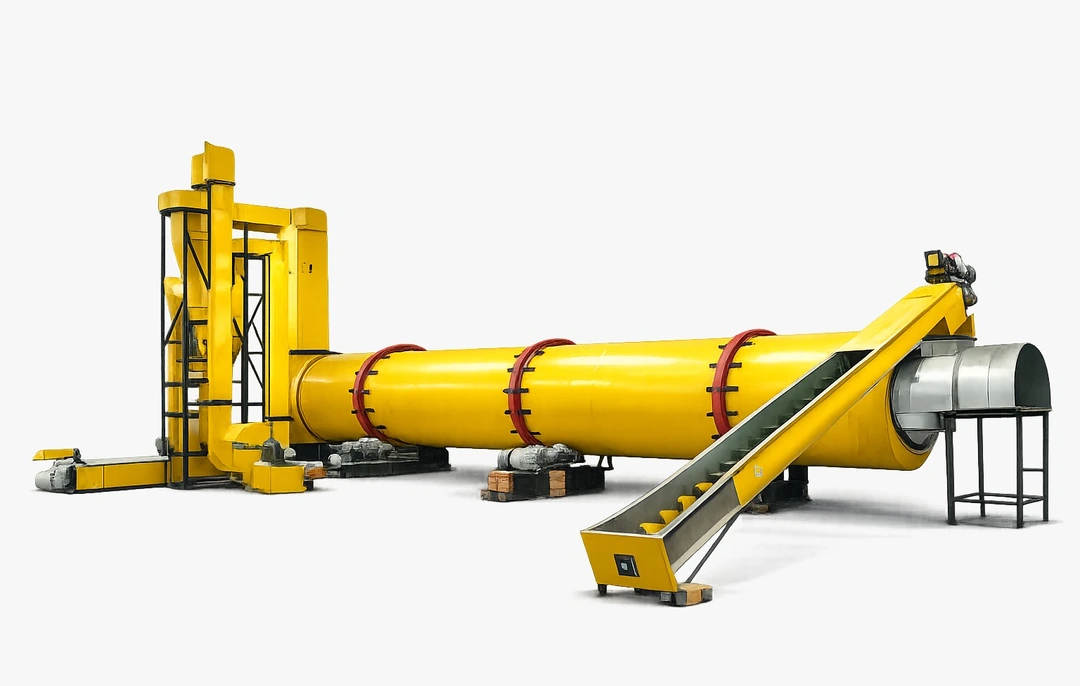
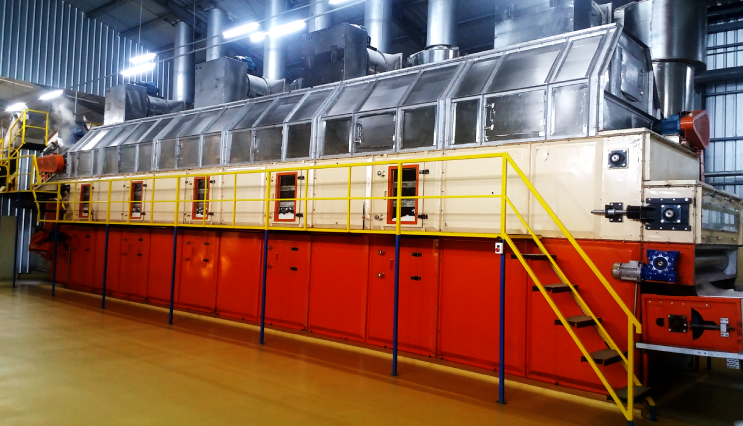
To dry cassava pulp, GEM recommends the Rotary Dryer. Typical moisture is 75–85% in the feed and 10–13% after drying. Flash Dryer and Mesh Belt Dryer are used when the feed or site calls for it. Every project starts with a pilot trial on your own sample.
Rotary dryers handle large tonnages of pressed cassava pulp and tolerate variations in feed. Flash dryers suit finely disintegrated, well-dewatered pulp for fibre, and mesh belt dryers suit smaller mills with biomass heat.
| Typical feed moisture | 75–85% |
| Typical target moisture | 10–13% |
| Recommended dryer | Rotary Dryer |
| Alternatives | Flash Dryer, Mesh Belt Dryer |
| Application area | Pomace, Pulp & By-products |
| Industries | Food & Beverage, Animal Feed, Breweries & Distilleries |
Wet cassava pulp is often dumped or sold cheaply, causing odour and water pollution. Dried pulp can be stored, transported and sold to feed mills, while improving the mill's environmental compliance.
Plants searching for a cassava pulp dryer or comparing a tapioca pulp drying usually need three answers: which dryer fits, what it costs to run, and how fast it pays back. For Cassava Pulp, we start from your throughput, current moisture (typically 75–85%) and the target (10–13%), trial a sample on the Rotary Dryer, and return a sized recommendation with a budget quotation for your food and animal feed operation.
Compare all 11 materials in Fruit & Vegetable Pomace and Food Waste or browse the wider Pomace, Pulp & By-products family.
We trial your material in our pilot facility before any equipment decision, then size the dryer from real data.
Describe it in the form, or message an engineer directly.