Cassava chips drying converts freshly harvested tubers, which spoil within two to three days, into stable chips for animal feed, flour, starch and ethanol. Chips are traded in large tonnages, so drying cost per tonne matters. Drying also helps reduce cyanogenic compounds, especially when combined with chipping and some soaking.
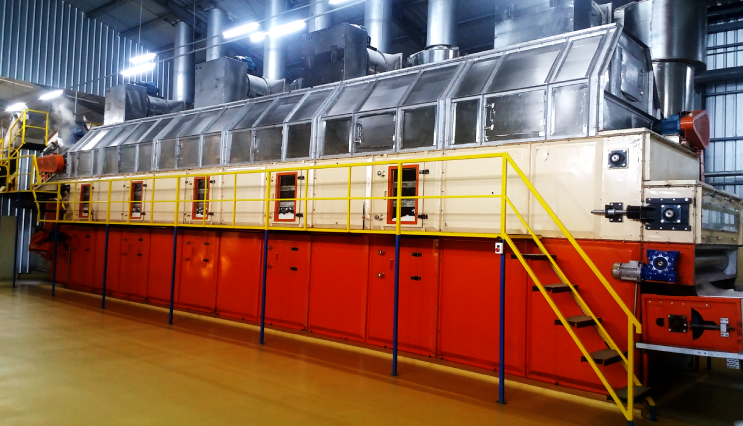
To dry cassava chips, GEM recommends the Mesh Belt Dryer (Meshotherm). Typical moisture is 60–70% in the feed and 12–14% after drying. Band Dryer and Rotary Dryer are used when the feed or site calls for it. Every project starts with a pilot trial on your own sample.
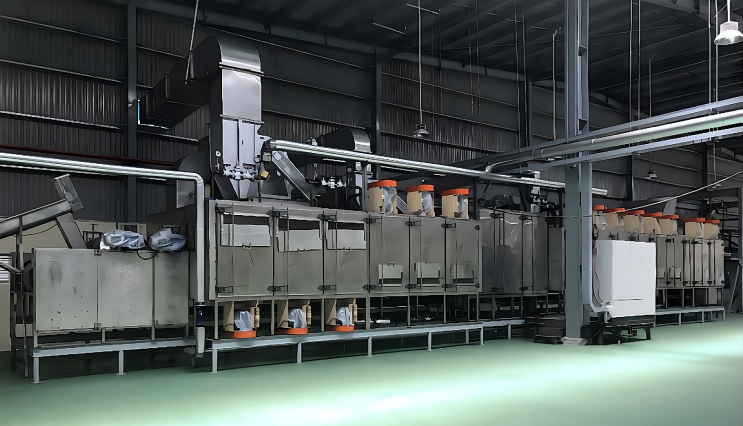
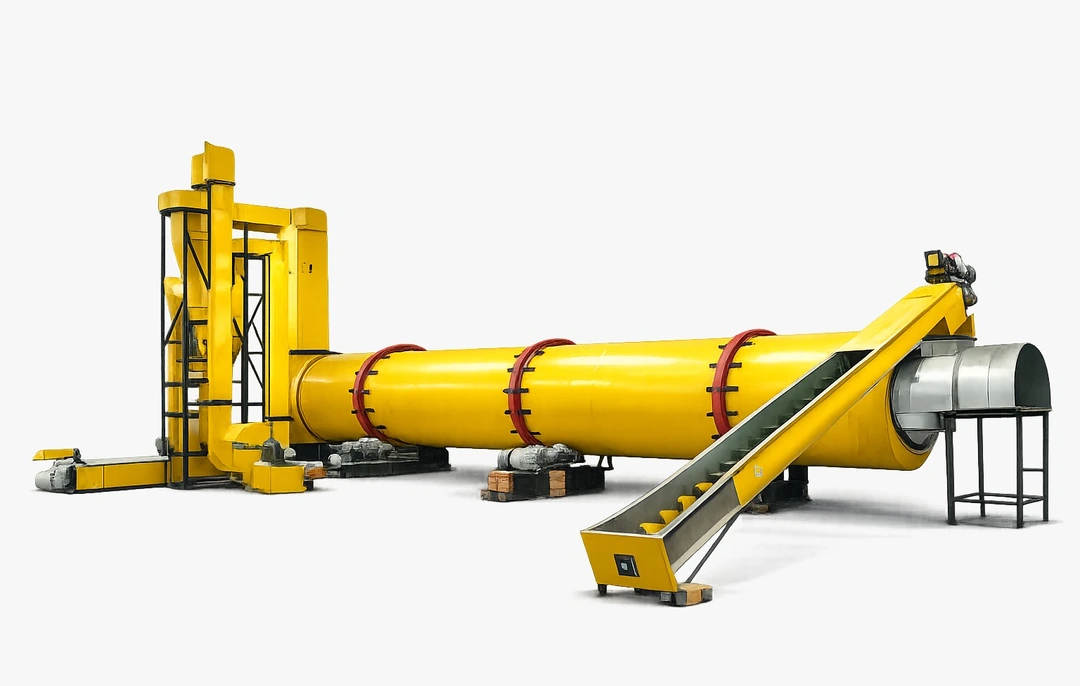
A Meshotherm mesh-belt dryer suits cassava chips: the bed is permeable, product value is moderate and operating cost per tonne matters. A band dryer is chosen for food-grade chips and flour; a rotary dryer suits small, uniform grated pieces at high tonnage.
| Typical feed moisture | 60–70% |
| Typical target moisture | 12–14% |
| Recommended dryer | Mesh Belt Dryer (Meshotherm) |
| Alternatives | Band Dryer, Rotary Dryer |
| Application area | Food Dehydration |
| Industries | Food & Beverage, Agriculture & Grain Processing |
Mechanical drying turns a highly perishable root into a storable commodity, avoids weather losses during harvest and enables cleaner, higher-priced chips for feed, flour and ethanol buyers.
Plants searching for a cassava chips dryer or comparing a tapioca chips drying machine usually need three answers: which dryer fits, what it costs to run, and how fast it pays back. For Cassava Chips, we start from your throughput, current moisture (typically 60–70%) and the target (12–14%), trial a sample on the Mesh Belt Dryer, and return a sized recommendation with a budget quotation for your food and agriculture operation.
Compare all 12 materials in Vegetable & Fruit Dehydration or browse the wider Food Dehydration family.
We trial your material in our pilot facility before any equipment decision, then size the dryer from real data.
Describe it in the form, or message an engineer directly.