Tomato pomace drying preserves the skins and seeds that paste, puree and ketchup factories discharge during their short processing season. The skins carry lycopene and the seeds contain oil and protein, so careful drying opens markets in carotenoid extraction, food fibre and animal feed. Without drying, the wet pomace sours within a day or two.
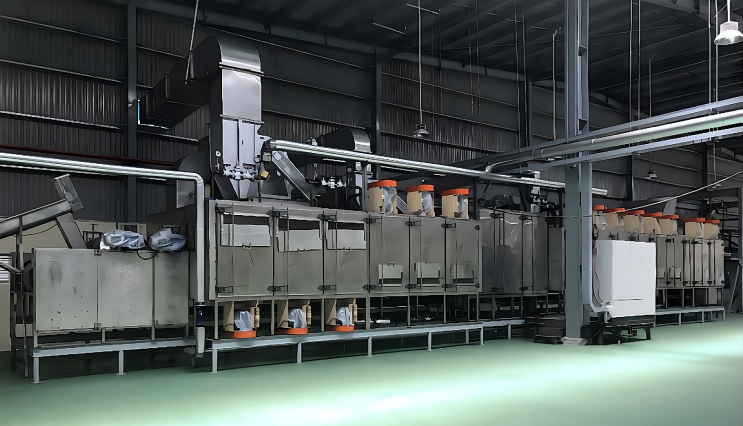
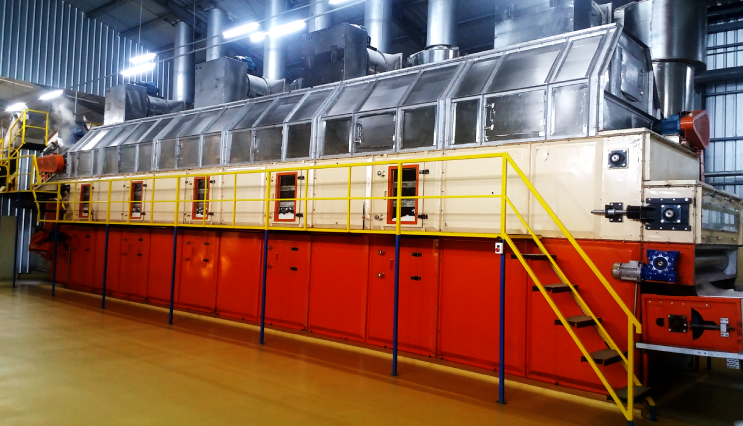
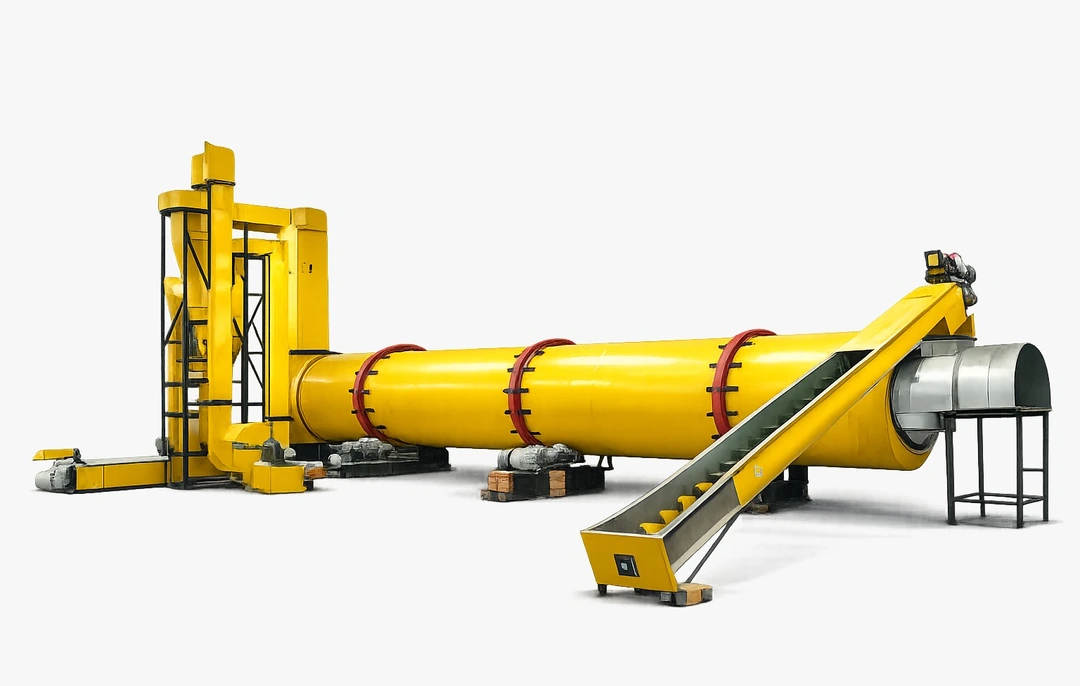
To dry tomato pomace, GEM recommends the Band Dryer (Beltotherm). Typical moisture is 70–80% in the feed and 8–10% after drying. Mesh Belt Dryer and Rotary Dryer are used when the feed or site calls for it. Every project starts with a pilot trial on your own sample.
A Beltotherm band dryer spreads the matted skins in a controlled layer and lets later zones run cooler to protect lycopene colour. A mesh belt is a lower-cost choice for feed-grade pomace, and a rotary dryer suits high-throughput feed lines.
| Typical feed moisture | 70–80% |
| Typical target moisture | 8–10% |
| Recommended dryer | Band Dryer (Beltotherm) |
| Alternatives | Mesh Belt Dryer, Rotary Dryer |
| Application area | Pomace, Pulp & By-products |
| Industries | Food & Beverage, Animal Feed, Breweries & Distilleries |
Tomato processors pay to haul seasonal wet pomace. Dried pomace stores for a year, can be sold to extractors and feed mills between seasons, and reduces the factory's solid waste load at the peak of production.
Plants searching for a tomato pomace dryer or comparing a tomato waste drying plant usually need three answers: which dryer fits, what it costs to run, and how fast it pays back. For Tomato Pomace, we start from your throughput, current moisture (typically 70–80%) and the target (8–10%), trial a sample on the Band Dryer, and return a sized recommendation with a budget quotation for your food and animal feed operation.
Compare all 11 materials in Fruit & Vegetable Pomace and Food Waste or browse the wider Pomace, Pulp & By-products family.
We trial your material in our pilot facility before any equipment decision, then size the dryer from real data.
Describe it in the form, or message an engineer directly.