Citrus pulp and peel drying handles the largest by-product of orange, lemon, lime and kinnow juice extraction. The peel is usually limed and pressed before drying to break its water-holding pectin, then dried into feed pellets or pectin-grade peel. Juice plants dry it because the wet peel is heavy, acidic and quick to rot.
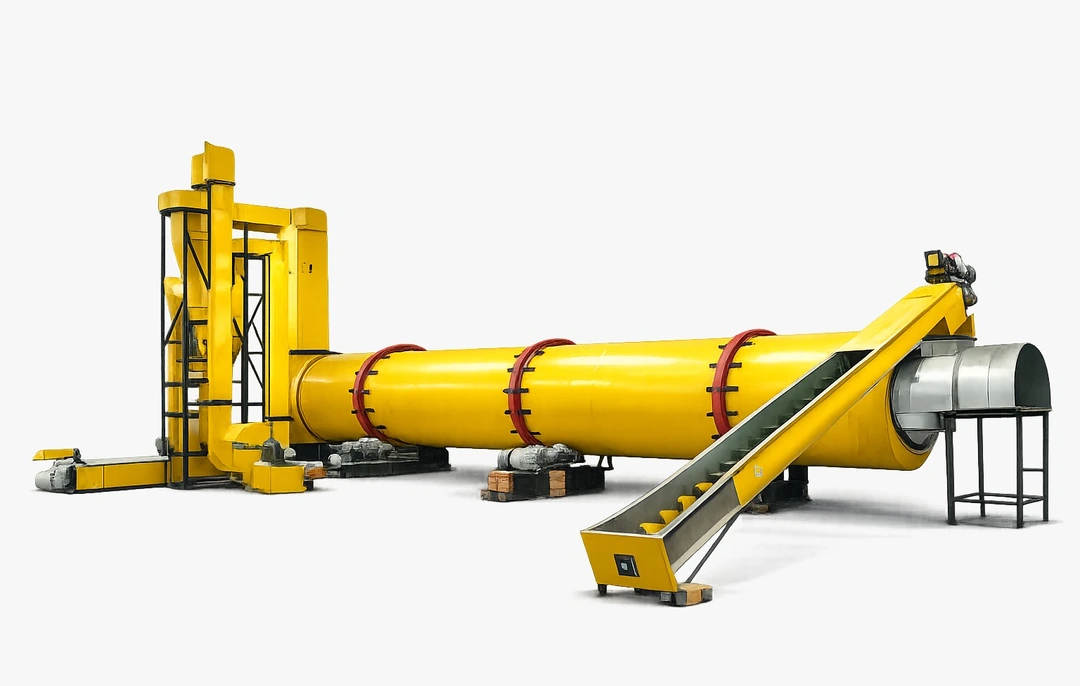
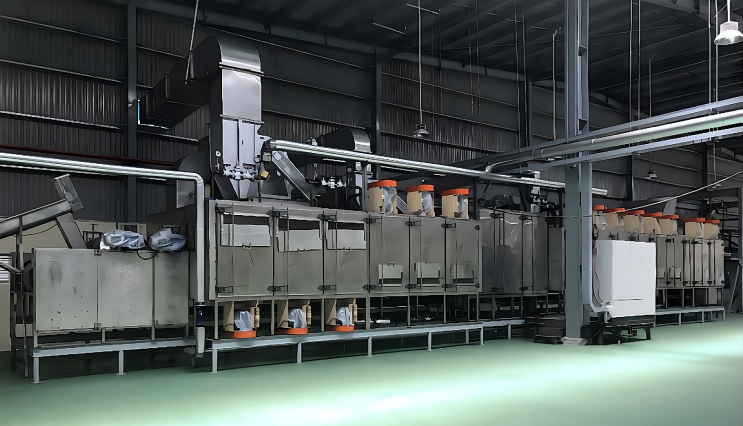
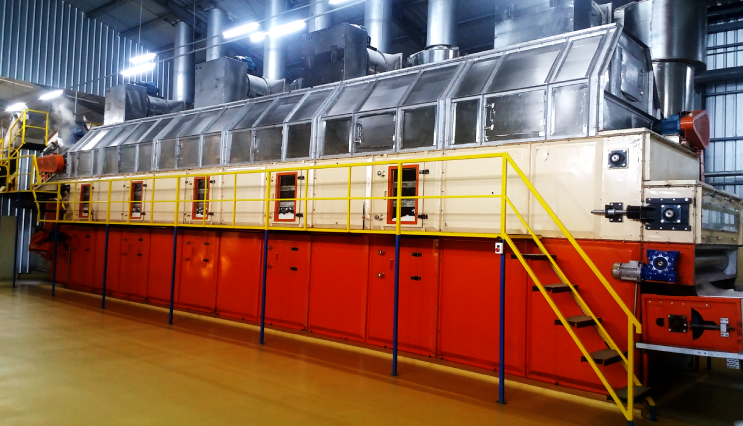
To dry citrus pulp & peel, GEM recommends the Rotary Dryer and Band Dryer (Beltotherm). Typical moisture is 65–80% in the feed and 10–12% after drying. Mesh Belt Dryer is used when the feed or site calls for it. Every project starts with a pilot trial on your own sample.
Rotary drum dryers handle the large, coarse volumes of limed and pressed feed-grade citrus pulp. A Beltotherm band dryer is selected for pectin peel, where lower temperatures matter; a mesh belt dryer suits smaller juice plants with waste heat available.
| Typical feed moisture | 65–80% |
| Typical target moisture | 10–12% |
| Recommended dryer | Rotary Dryer, Band Dryer (Beltotherm) |
| Alternatives | Mesh Belt Dryer |
| Application area | Pomace, Pulp & By-products |
| Industries | Food & Beverage, Animal Feed, Breweries & Distilleries |
Wet citrus peel can make up around half the weight of fruit processed, so drying turns a costly disposal stream into a traded feed commodity. Pectin-grade peel sells at a higher value where buyers are reachable.
Plants searching for a citrus pulp dryer or comparing a orange peel drying machine usually need three answers: which dryer fits, what it costs to run, and how fast it pays back. For Citrus Pulp & Peel, we start from your throughput, current moisture (typically 65–80%) and the target (10–12%), trial a sample on the Rotary Dryer, and return a sized recommendation with a budget quotation for your food and animal feed operation.
Compare all 11 materials in Fruit & Vegetable Pomace and Food Waste or browse the wider Pomace, Pulp & By-products family.
We trial your material in our pilot facility before any equipment decision, then size the dryer from real data.
Describe it in the form, or message an engineer directly.