Fruit concentrate drying converts mango, banana, tomato, guava and other purees into powders that keep colour and flavour while being easy to store and dose. Fruit sugars make these products sticky and hygroscopic at high temperature. Food and beverage makers dry fruit concentrate to reduce volume, avoid cold-chain storage and supply ingredients for drinks, bakery and baby food.
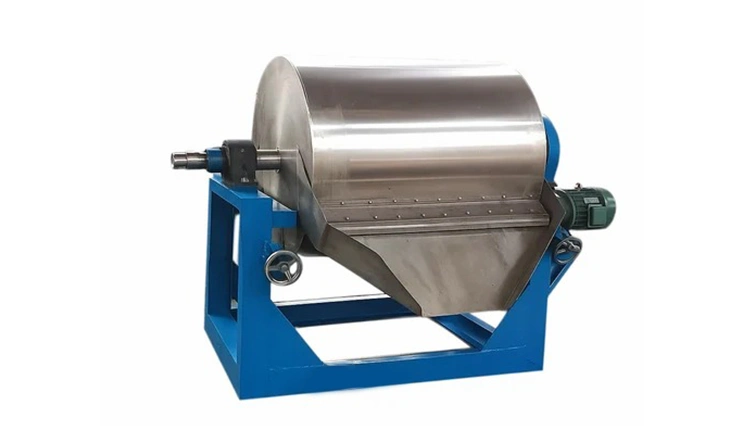
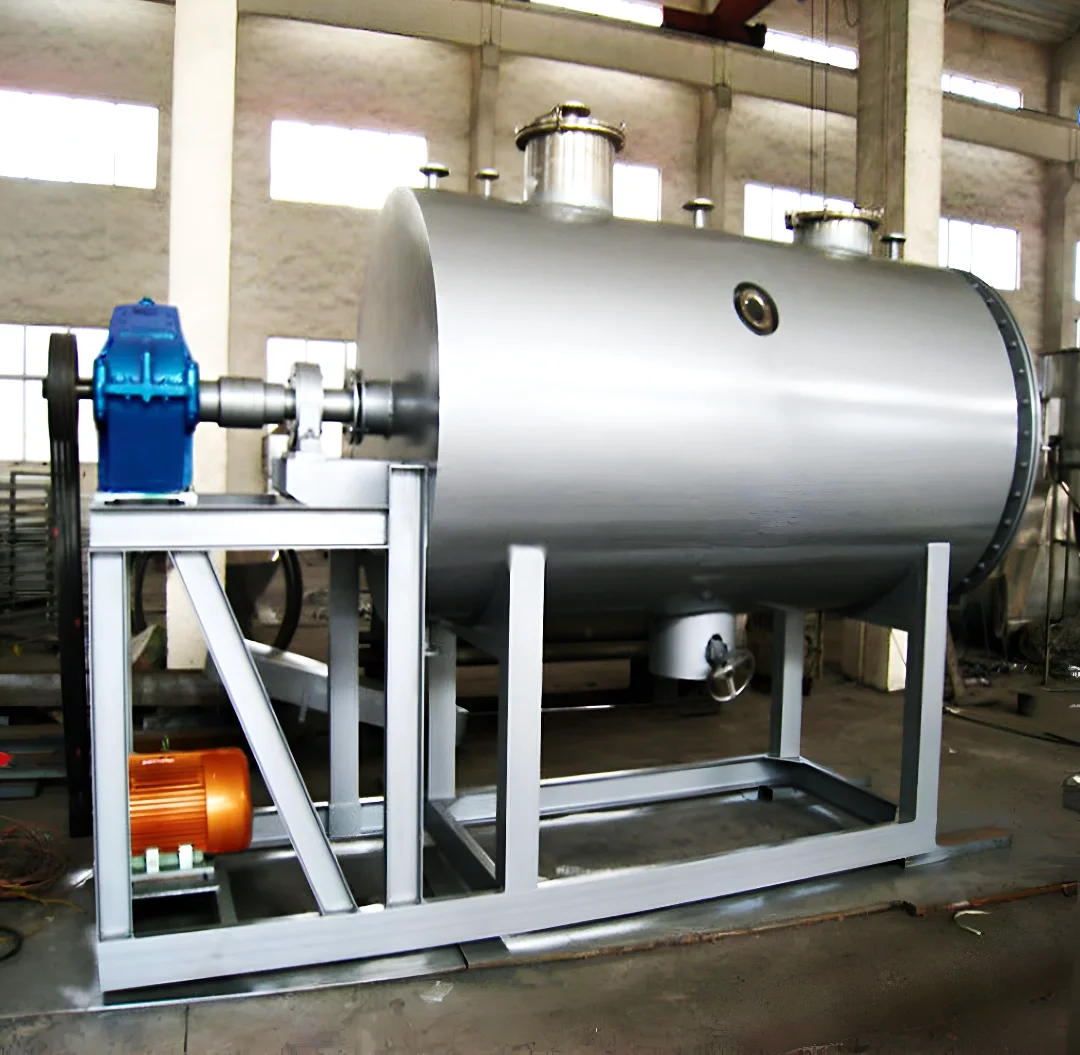
To dry fruit concentrate & powders, GEM recommends the Single / Double Drum Dryer. Typical moisture is 30–50% in the feed and 2–4% after drying. Freeze Dryer / Lyophilizer and Rotary Vacuum Dryer are used when the feed or site calls for it. Every project starts with a pilot trial on your own sample.
A drum dryer gives an economical route for concentrates, especially with a carrier, producing flakes that are milled to powder. Freeze drying is chosen for premium powders needing natural colour, while rotary vacuum drying suits smaller heat-sensitive batches.
| Typical feed moisture | 30–50% |
| Typical target moisture | 2–4% |
| Recommended dryer | Single / Double Drum Dryer |
| Alternatives | Freeze Dryer / Lyophilizer, Rotary Vacuum Dryer |
| Application area | Food Products & Snacks |
| Industries | Food & Beverage |
Dry fruit powder ships and stores at a fraction of the volume and cost of frozen puree, and stays stable for months. It lets processors sell beyond the harvest season into higher-value ingredient markets.
Plants searching for a fruit powder dryer or comparing a fruit concentrate drying machine usually need three answers: which dryer fits, what it costs to run, and how fast it pays back. For Fruit Concentrate & Powders, we start from your throughput, current moisture (typically 30–50%) and the target (2–4%), trial a sample on the Single / Double Drum Dryer, and return a sized recommendation with a budget quotation for your food operation.
We trial your material in our pilot facility before any equipment decision, then size the dryer from real data.
Describe it in the form, or message an engineer directly.