Drilling mud and cuttings drying treats rock cuttings and spent mud returned from oil, gas and geothermal wells. Oil-based mud leaves base oil coating the cuttings, while water-based mud leaves salts, bentonite and polymers. Thermal treatment strips water and oil so the recovered base oil can return to the mud system and the cleaned solids meet discharge or reuse limits.
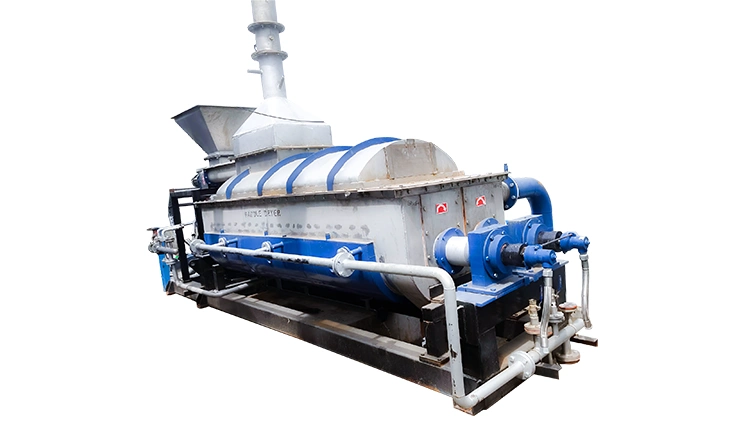
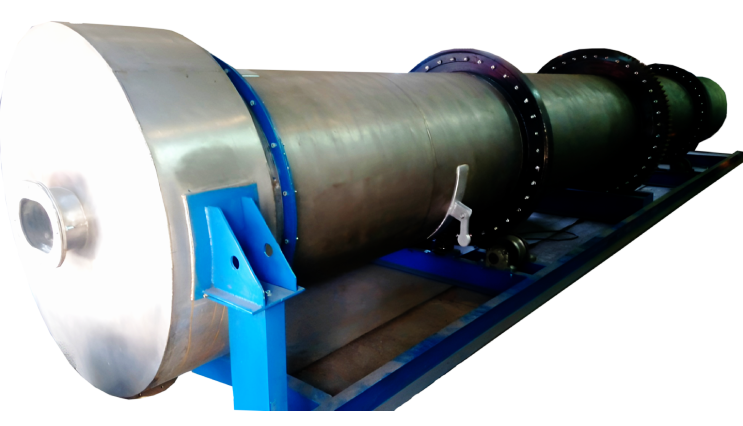
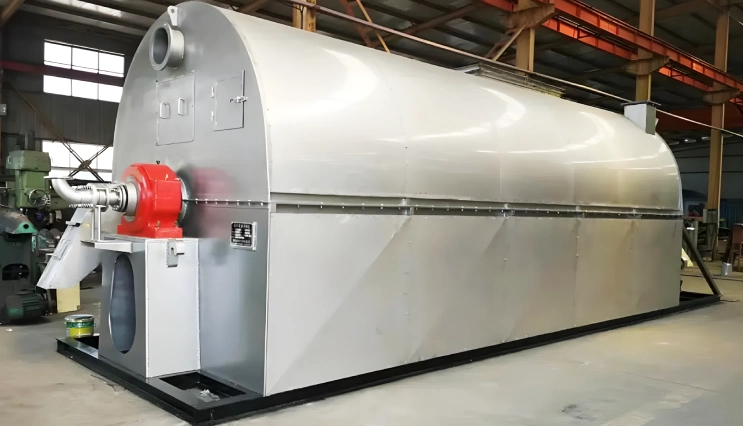
To dry drilling mud & cuttings, GEM recommends the Paddle Dryer. Direct / Indirect Rotary Dryer and Rotary Tube Bundle Dryer are used when the feed or site calls for it. Every project starts with a pilot trial on your own sample.
A thermal-oil paddle dryer heats cuttings indirectly in a sealed vessel, so base oil and water evaporate into a small vapour stream for condensation and recovery. Indirect rotary units suit high-tonnage centralised facilities, and tube dryers handle water-based cuttings at lower temperature.
| Recommended dryer | Paddle Dryer |
| Alternatives | Direct / Indirect Rotary Dryer, Rotary Tube Bundle Dryer |
| Application area | Hazardous & Oily Residues |
| Industries | Wastewater & Environmental, Minerals, Mining & Ceramics |
Oil-based cuttings carry high disposal fees and strict residual-oil limits. Thermal treatment recovers base oil worth reusing, reduces haulage from remote sites and produces solids that can meet reuse rules or lower-cost disposal.
Plants searching for a drill cuttings dryer or comparing a drilling waste thermal treatment usually need three answers: which dryer fits, what it costs to run, and how fast it pays back. For Drilling Mud & Cuttings, we start from your throughput, current moisture and the target, trial a sample on the Paddle Dryer, and return a sized recommendation with a budget quotation for your wastewater and minerals operation.
We trial your material in our pilot facility before any equipment decision, then size the dryer from real data.
Describe it in the form, or message an engineer directly.