Mine Tailings & Residue

Mine Tailings and Residue Drying

Mine tailings and residue drying is gaining interest as operators look for alternatives to wet tailings dams, reprocess old dumps for remaining metal, or sell residues as construction material. Feeds range from clay-rich slimes to sandy fractions, so the drying route depends on the residue's texture and what the dried product will be used for.

Quick answer

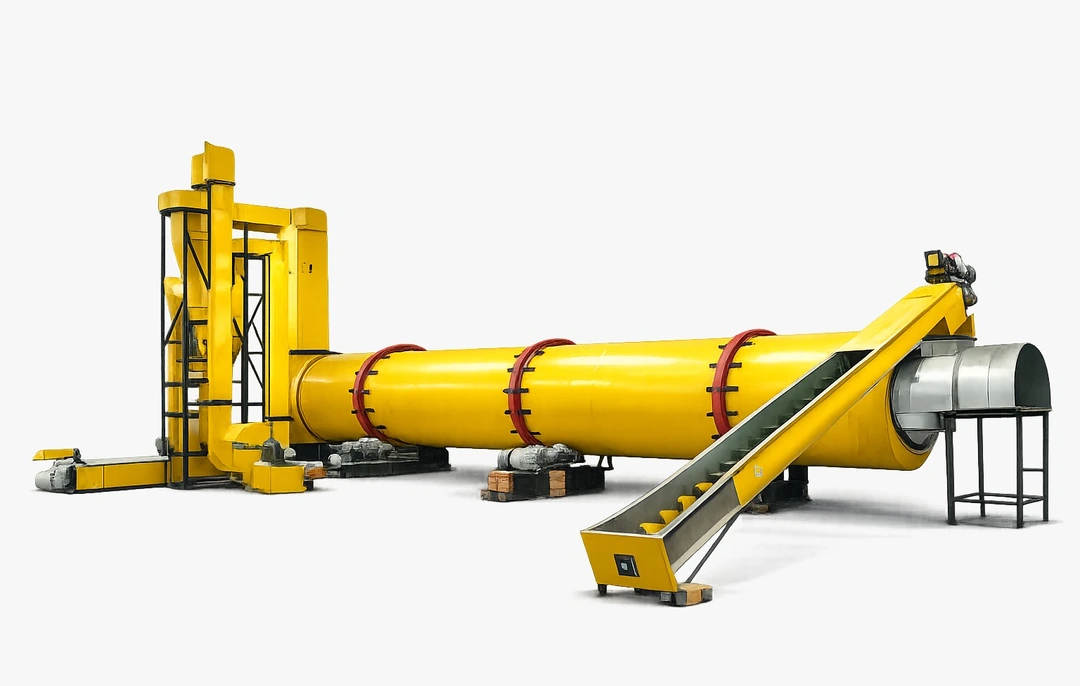
To dry mine tailings & residue, GEM recommends the Rotary Dryer. Rotary Cascade Dryer and Paddle Dryer are used when the feed or site calls for it. Every project starts with a pilot trial on your own sample.

1998established112+installations7countriesDried & Testedin-house pilot trialsCertifications · Case studies
The challenge

What makes Mine Tailings & Residue hard to dry

  • Clay-rich slimes are sticky at medium moisture and can stall or coat a conventional dryer.
  • Large tonnages with low unit value make energy cost per tonne the main factor in feasibility.
  • Residues may contain heavy metals or reactive sulphides, so dust and gas emissions must be managed.
  • Composition changes along a tailings deposit, so drying conditions must adapt to variable feed.
How GEM dries it

The right dryer for Mine Tailings & Residue

A robust direct rotary dryer handles variable tailings and can use low-cost fuels, which suits low-value, high-tonnage material. A cascade dryer fits sandy, granular fractions, while an indirect paddle dryer handles sticky or contaminated residues needing contained drying.

Typical feed moisture15–35%
Recommended dryerRotary Dryer
AlternativesRotary Cascade Dryer, Paddle Dryer
Application areaMinerals, Ores & Ceramics
IndustriesMinerals, Mining & Ceramics, Wastewater & Environmental
The value

What drying Mine Tailings & Residue unlocks

Drying tailings can unlock residual metal value, reduce reliance on wet storage facilities and create saleable construction materials. Lower moisture also reduces haulage cost for material moved off site.

Dried Mine Tailings & Residue becomes

  • Feed for metal reprocessing
  • Sand and aggregate substitute
  • Cement and brick raw material
  • Dry-stacked residue
For buyers

Buying a Mine Tailings & Residue dryer?

Plants searching for a tailings dryer or comparing a mine residue drying usually need three answers: which dryer fits, what it costs to run, and how fast it pays back. For Mine Tailings & Residue, we start from your throughput, current moisture (typically 15–35%) and the target, trial a sample on the Rotary Dryer, and return a sized recommendation with a budget quotation for your minerals and wastewater operation.

FAQ

Mine Tailings & Residue: questions buyers ask

Is drying tailings economic compared with filtration alone?
Filtration removes most water at lower cost. Thermal drying makes sense when the residue is reprocessed, sold, or must meet a moisture limit that filtration alone cannot reach. A pilot trial helps size that business case.
Can sticky clay tailings be dried?
Yes. Back-mixing dried product, chain sections in rotary dryers, or indirect paddle drying handle sticky slimes. The approach is chosen after testing how your residue behaves through its sticky moisture range.

Send us a sample. See it dried.

We trial your material in our pilot facility before any equipment decision, then size the dryer from real data.

  1. Tell us the material, moisture and throughput.
  2. An engineer confirms the trial plan and sample shipping.
  3. You get drying data and a sized recommendation with a budget quotation.

Material not listed? Talk to our technical expert.

Describe it in the form, or message an engineer directly.

Request a trial or quotation

    An engineer replies within one working day. We never share your details.

    whatsapp