Tar and bitumen residue drying deals with coal tar decanter sludge, acid tar, asphalt residues and bitumen emulsion wastes. These materials soften and flow when hot but turn brittle when cool, and water trapped inside causes foaming and boil-over. Removing that water lets the residue be blended into fuel, reprocessed or sent for disposal at lower weight.
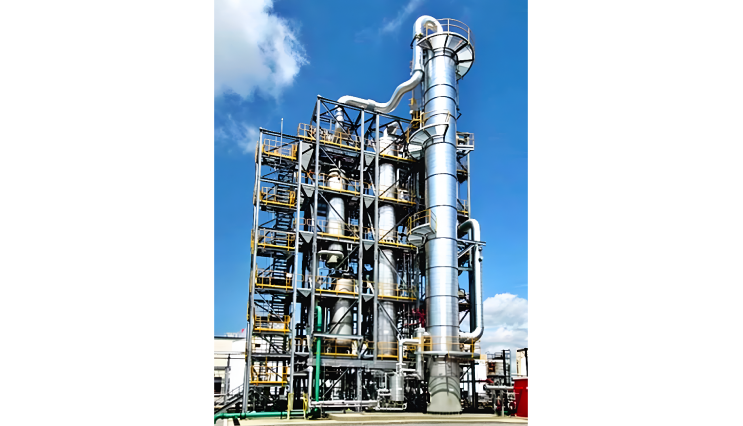
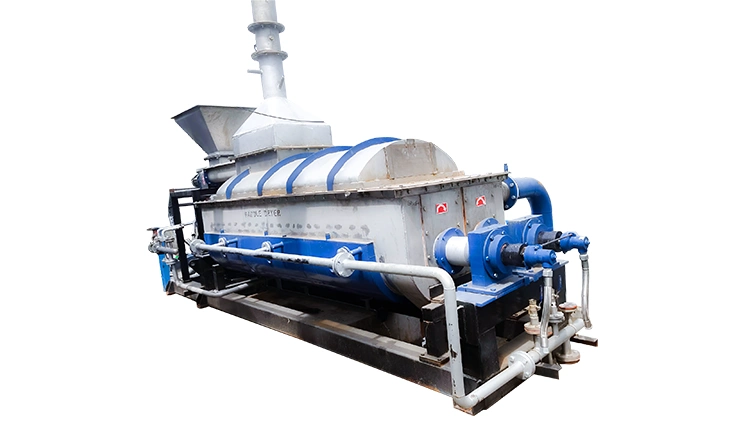
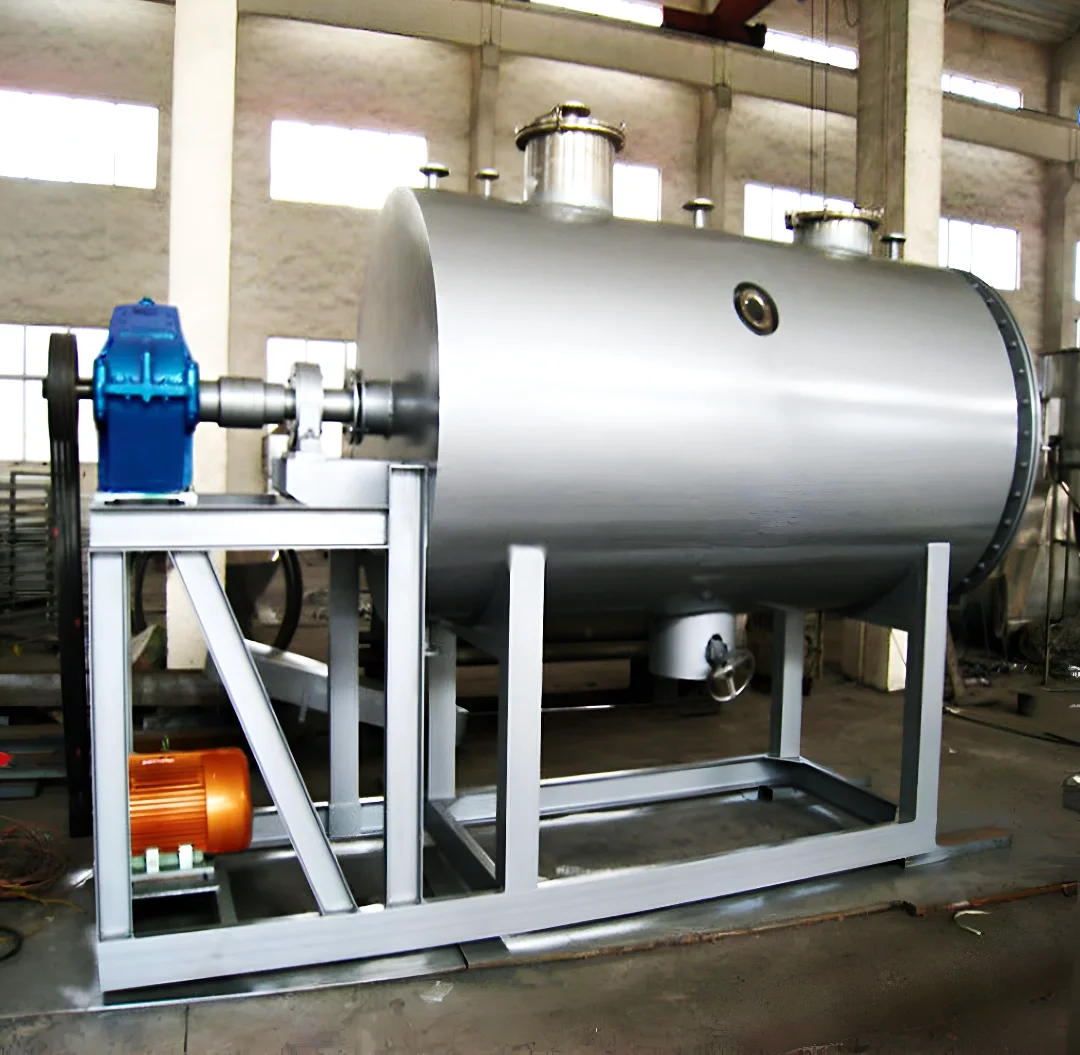
To dry tar & bitumen residues, GEM recommends the Agitated Thin Film Dryer and Paddle Dryer. Rotary Vacuum Dryer is used when the feed or site calls for it. Every project starts with a pilot trial on your own sample.
An ATFD spreads viscous tar into a thin, wiped film, letting water escape steadily without foaming while the residue discharges as a hot melt. A paddle dryer suits solid-laden residues, and rotary vacuum dryers handle small batches needing lower temperatures.
| Recommended dryer | Agitated Thin Film Dryer, Paddle Dryer |
| Alternatives | Rotary Vacuum Dryer |
| Application area | Hazardous & Oily Residues |
| Industries | Chemicals & Specialty Chemicals, Wastewater & Environmental |
Wet tar residues are difficult to pump, burn or sell, and water content raises disposal charges. Dehydration recovers a usable hydrocarbon product, cuts transport volume and avoids storing hazardous, foaming mixtures in pits or drums.
Plants searching for a tar residue dryer or comparing a bitumen sludge dehydration usually need three answers: which dryer fits, what it costs to run, and how fast it pays back. For Tar & Bitumen Residues, we start from your throughput, current moisture and the target, trial a sample on the Agitated Thin Film Dryer, and return a sized recommendation with a budget quotation for your chemicals and wastewater operation.
We trial your material in our pilot facility before any equipment decision, then size the dryer from real data.
Describe it in the form, or message an engineer directly.