Recycled PET flake drying follows washing and mechanical dewatering in bottle recycling lines. Flakes still carry surface water, and many recyclers dry them before bagging or sale. This step is separate from the crystallisation and dehumidified drying needed before extrusion, which removes moisture absorbed into the PET structure.
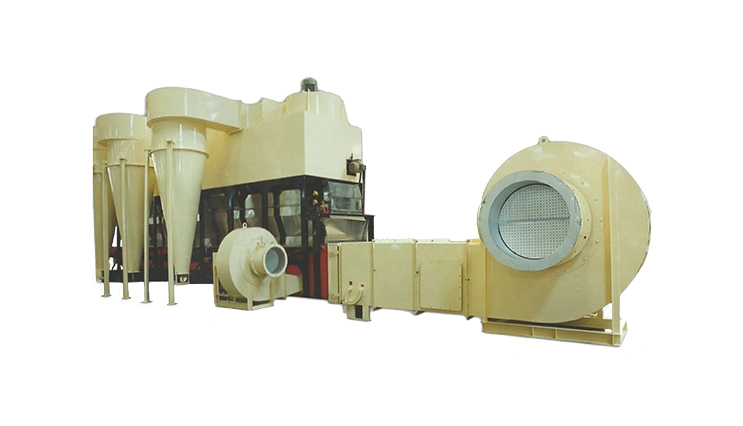
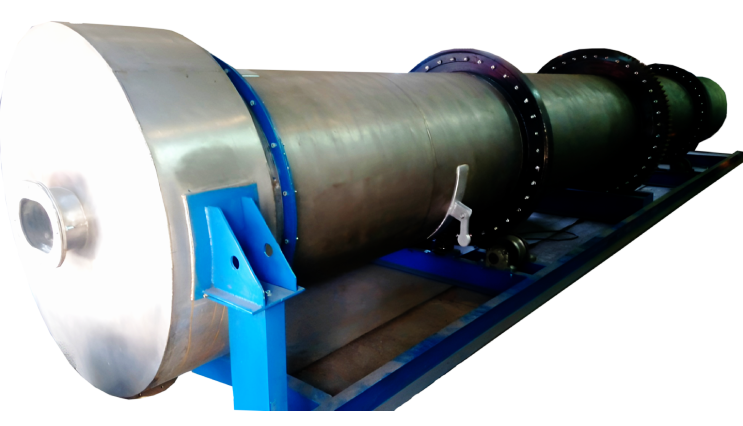
To dry recycled PET flakes, GEM recommends the Vibratory Fluid Bed Dryer. Typical moisture is 1–3% in the feed and <1% after drying. Direct / Indirect Rotary Dryer and Industrial Cooler are used when the feed or site calls for it. Every project starts with a pilot trial on your own sample.
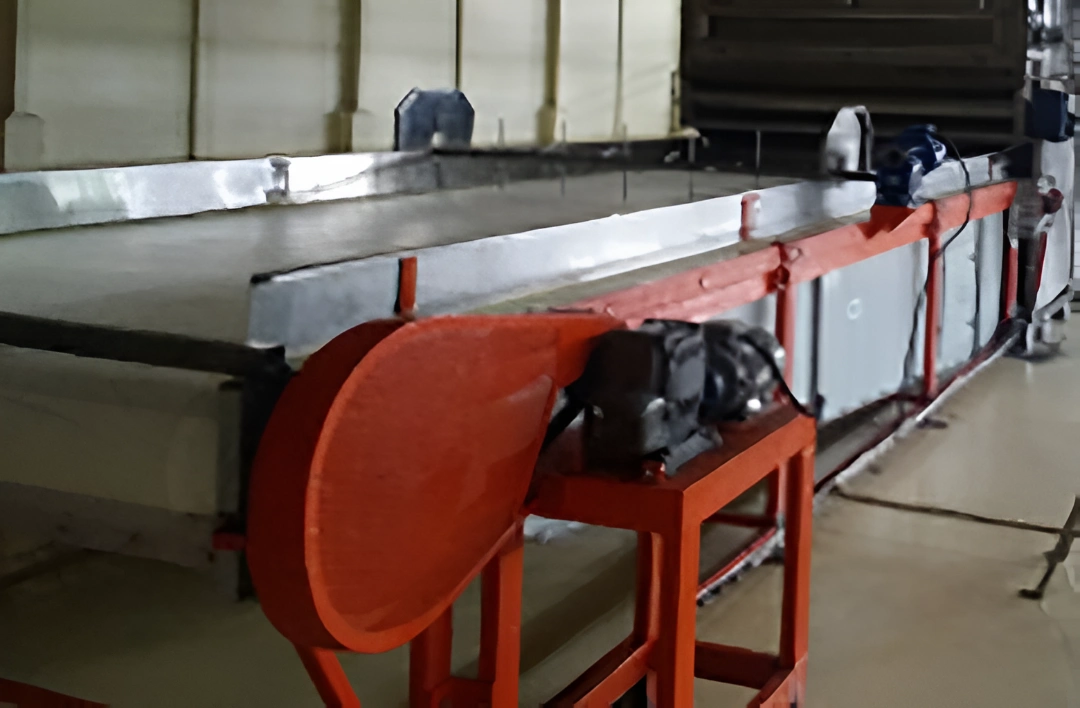
A vibratory fluid bed dries flakes quickly while separating light fines. An indirect rotary dryer is used for robust flakes or dusty conditions, and a cooler conditions flakes before bagging.
| Typical feed moisture | 1–3% |
| Typical target moisture | <1% |
| Recommended dryer | Vibratory Fluid Bed Dryer |
| Alternatives | Direct / Indirect Rotary Dryer, Industrial Cooler |
| Application area | Polymers, Plastics & Resins |
| Industries | Polymers, Rubber & Resins, Biomass, Bioenergy & Recycling, Textile & Dye Houses |
Dry flakes avoid mould and caking in jumbo bags and meet buyer moisture specifications, avoiding weight deductions. Air classification in the dryer also removes light label fines, improving flake quality and selling price.
Plants searching for a rpet flake dryer or comparing a pet flake drying machine usually need three answers: which dryer fits, what it costs to run, and how fast it pays back. For Recycled PET Flakes, we start from your throughput, current moisture (typically 1–3%) and the target (<1%), trial a sample on the Vibratory Fluid Bed Dryer, and return a sized recommendation with a budget quotation for your polymers and biomass operation.
We trial your material in our pilot facility before any equipment decision, then size the dryer from real data.
Describe it in the form, or message an engineer directly.