Rubber crumb drying applies when crumb from end-of-life tyres is produced by wet grinding, water-jet processes or washing. The crumb must reach low moisture before it is used in sports surfaces, moulded products or rubber modified bitumen, and the combustible nature of rubber dust makes temperature control essential.
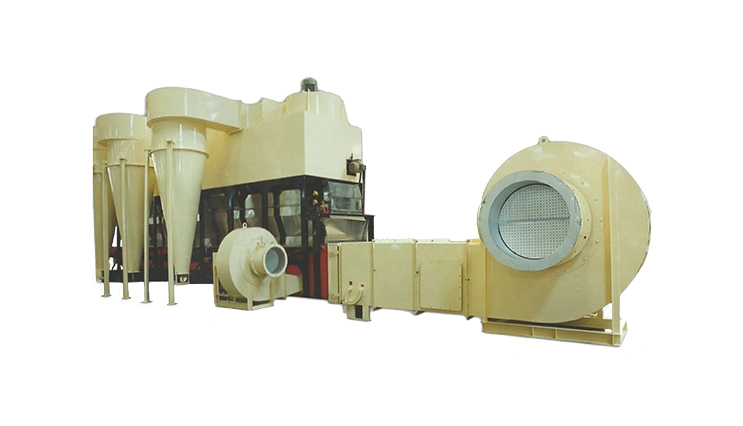
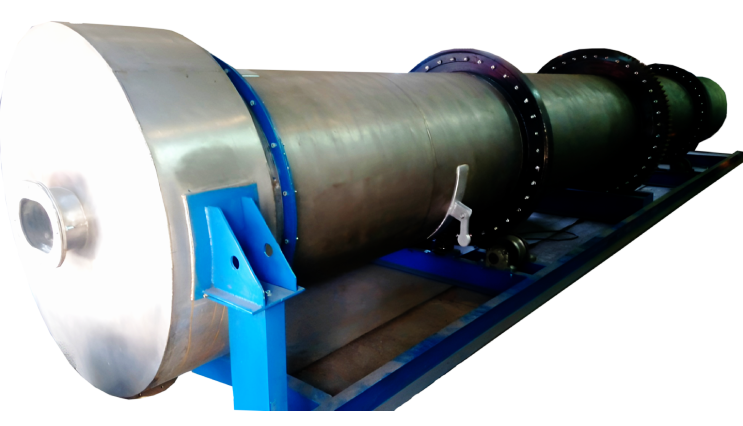
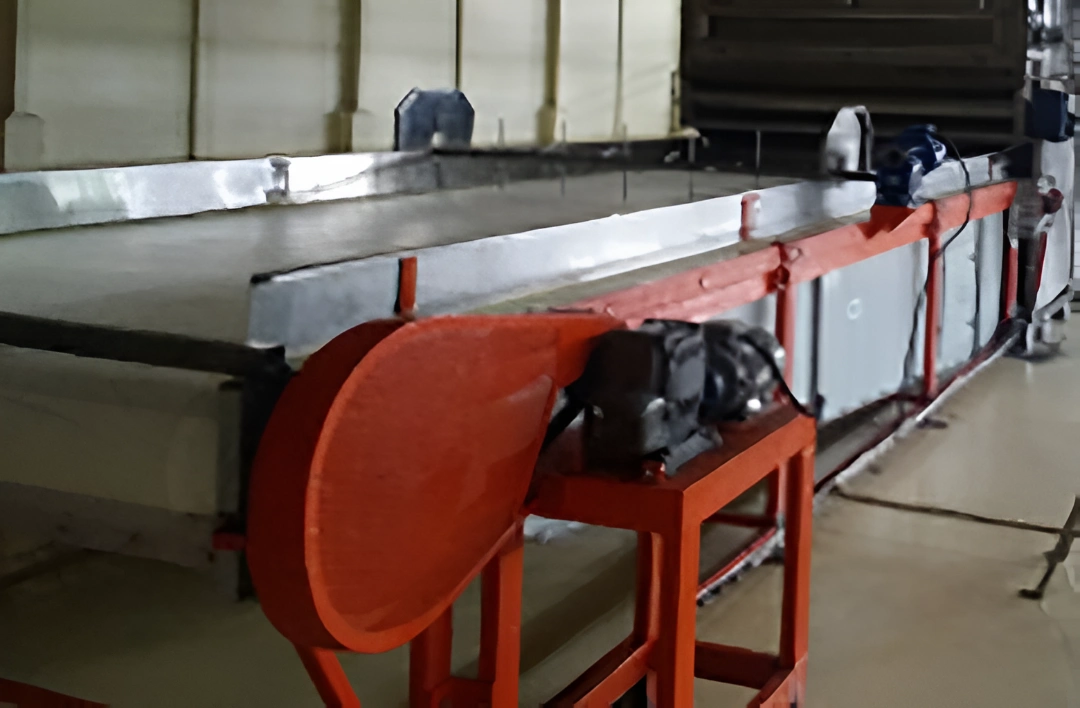
To dry rubber crumb, GEM recommends the Vibratory Fluid Bed Dryer. The usual target is <1% moisture. Direct / Indirect Rotary Dryer and Industrial Cooler are used when the feed or site calls for it. Every project starts with a pilot trial on your own sample.
A vibratory fluid bed dries rubber crumb at controlled, moderate temperature with good dust capture. An indirect rotary dryer is chosen for heavier crumb or where direct air contact must be avoided, and a cooler stabilises the product.
| Typical target moisture | <1% |
| Recommended dryer | Vibratory Fluid Bed Dryer |
| Alternatives | Direct / Indirect Rotary Dryer, Industrial Cooler |
| Application area | Polymers, Plastics & Resins |
| Industries | Polymers, Rubber & Resins, Biomass, Bioenergy & Recycling |
Dry crumb meets buyer specifications and avoids foaming and bonding problems in moulding or asphalt blending. Controlled drying also reduces fire risk in the plant and protects the rubber properties buyers test for.
Plants searching for a rubber crumb dryer or comparing a tyre crumb drying machine usually need three answers: which dryer fits, what it costs to run, and how fast it pays back. For Rubber Crumb, we start from your throughput, current moisture and the target (<1%), trial a sample on the Vibratory Fluid Bed Dryer, and return a sized recommendation with a budget quotation for your polymers and biomass operation.
We trial your material in our pilot facility before any equipment decision, then size the dryer from real data.
Describe it in the form, or message an engineer directly.