Polymer process streams include wet cakes, slurries, oligomers, filter residues and off-spec material produced within polymer plants. Each stream has a different form and risk, and many contain solvents or monomers, so drying and cooling need to be matched to the stream rather than handled with one standard dryer.
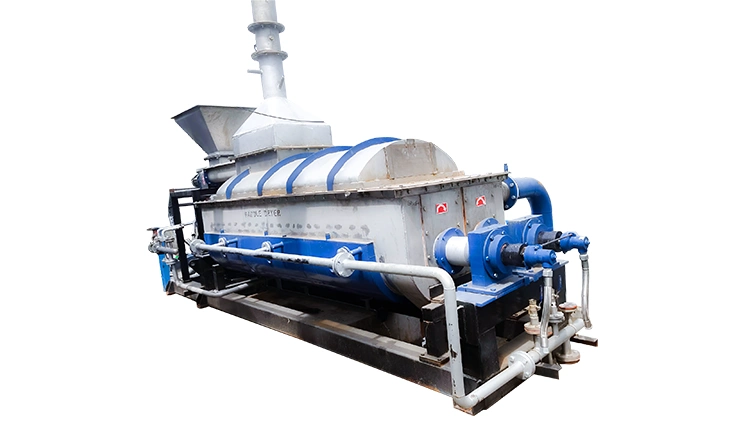
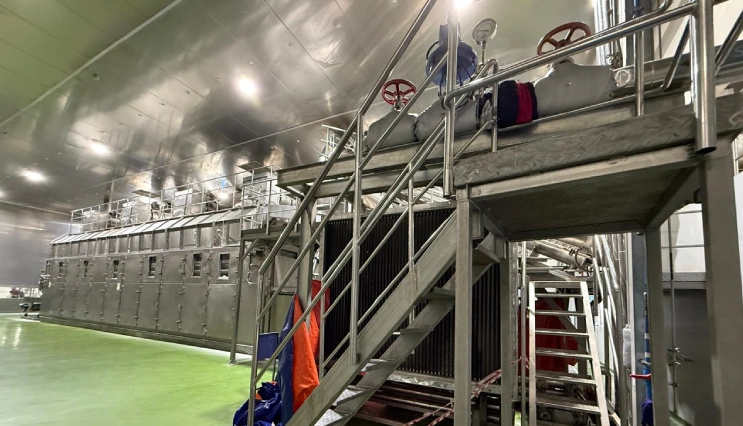
To dry polymer process streams, GEM recommends the Paddle Dryer and Combination Fluid Bed Dryer. Agitated Thin Film Dryer, Flash Dryer and Industrial Cooler are used when the feed or site calls for it. Every project starts with a pilot trial on your own sample.
A paddle dryer handles sticky or solvent-wet streams in a sealed, indirect system. A combination fluid bed suits water-wet granular streams needing drying and cooling. Thin film or flash dryers are chosen for liquid concentrates or fine cakes.
| Recommended dryer | Paddle Dryer, Combination Fluid Bed Dryer |
| Alternatives | Agitated Thin Film Dryer, Flash Dryer, Industrial Cooler |
| Application area | Polymers, Plastics & Resins |
| Industries | Polymers, Rubber & Resins |
Drying recovers value from off-spec and side streams that would otherwise be sold cheaply or sent for disposal at a cost. Enclosed systems also reduce emissions and support plant safety requirements.
Plants searching for a polymer process dryer or comparing a polymer residue drying usually need three answers: which dryer fits, what it costs to run, and how fast it pays back. For Polymer Process Streams, we start from your throughput, current moisture and the target, trial a sample on the Paddle Dryer, and return a sized recommendation with a budget quotation for your polymers operation.
We trial your material in our pilot facility before any equipment decision, then size the dryer from real data.
Describe it in the form, or message an engineer directly.