Turmeric drying follows boiling or steaming of the fresh rhizomes, which gelatinises starch and fixes colour. The cooked fingers then lose about three-quarters of their weight before polishing and grinding. Sun drying takes 10–15 days in open yards, while belt drying shortens this and protects curcumin and colour.
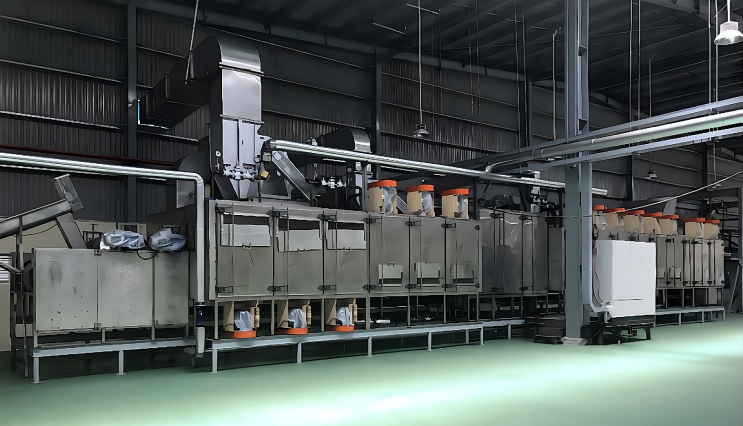
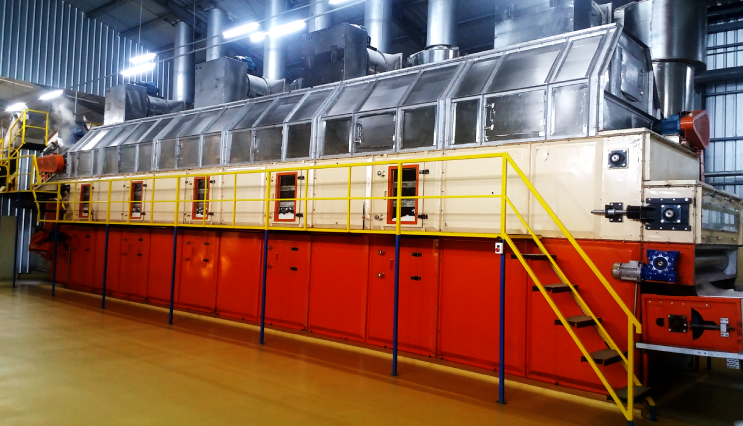
To dry turmeric, GEM recommends the Band Dryer (Beltotherm). Typical moisture is 75–80% in the feed and 8–10% after drying. Multi-Pass Conveyor Dryer and Mesh Belt Dryer are used when the feed or site calls for it. Every project starts with a pilot trial on your own sample.
A Beltotherm band dryer holds the fingers in a closed, controlled airflow, shortening drying from weeks to hours while shielding curcumin from sunlight. Multi-pass dryers suit sliced turmeric; a mesh-belt dryer is an economical option for high-tonnage polishing grades.
| Typical feed moisture | 75–80% |
| Typical target moisture | 8–10% |
| Recommended dryer | Band Dryer (Beltotherm) |
| Alternatives | Multi-Pass Conveyor Dryer, Mesh Belt Dryer |
| Application area | Food Dehydration |
| Industries | Food & Beverage, Nutraceuticals & Herbal |
Controlled drying cuts weather losses during harvest season, meets microbial norms for export and preserves the curcumin percentage on which spice and extraction buyers base price.
Plants searching for a turmeric dryer or comparing a turmeric drying machine usually need three answers: which dryer fits, what it costs to run, and how fast it pays back. For Turmeric, we start from your throughput, current moisture (typically 75–80%) and the target (8–10%), trial a sample on the Band Dryer, and return a sized recommendation with a budget quotation for your food and nutraceuticals operation.
Compare all 3 materials in Spices & Rhizomes or browse the wider Food Dehydration family.
We trial your material in our pilot facility before any equipment decision, then size the dryer from real data.
Describe it in the form, or message an engineer directly.