


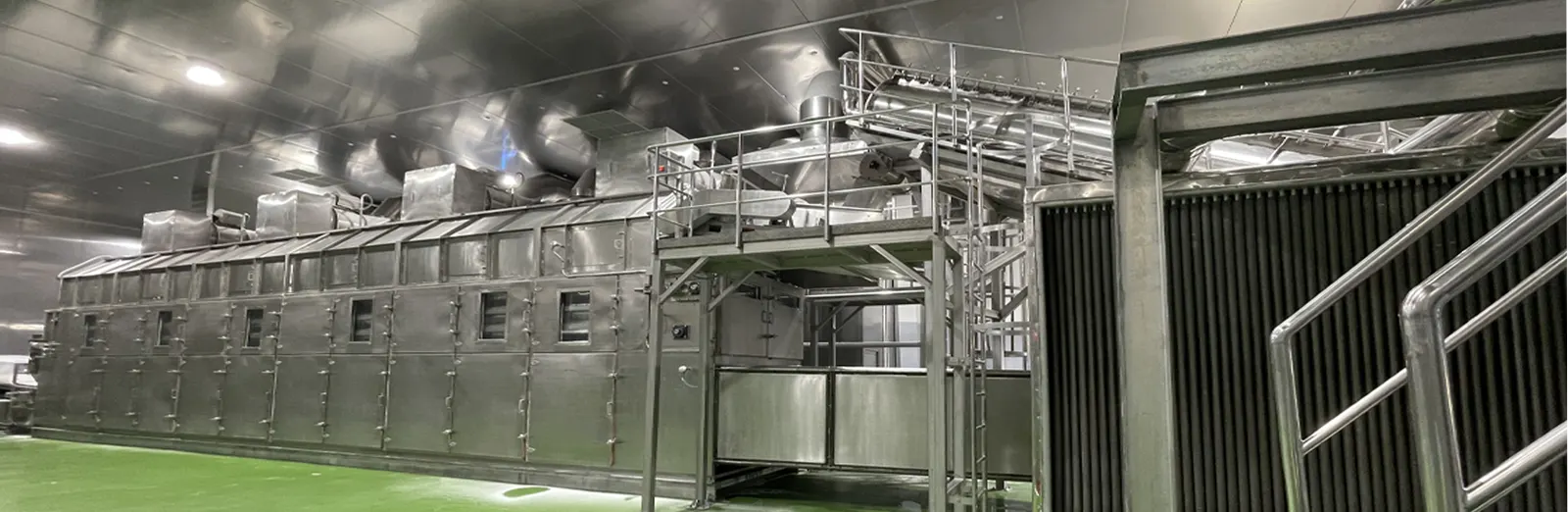
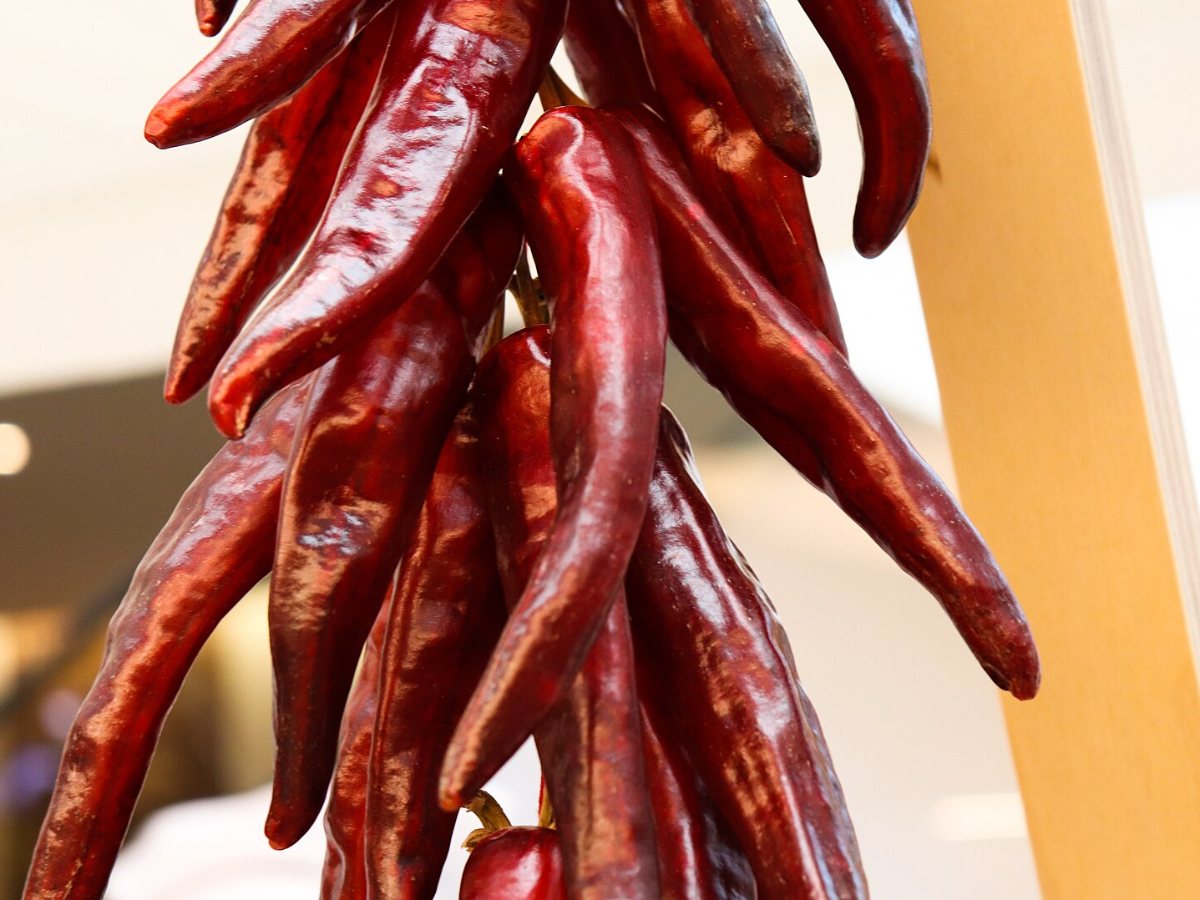
Spice and Rhizome Dryers
This hub covers spices and rhizomes dried for powder, whole export packs and extraction: ginger, turmeric, chilli and other spices such as pepper and cardamom. They are grouped because their value lies in volatile oils, pigments and pungency that sun drying and overheated kilns degrade. Fresh ginger enters at 80–90% moisture, turmeric at 75–80%, chilli at 70–80% and other spices at 60–80%. Most are dried to 8–10%, with some whole spices taken to 8–12%. The core problem is reaching safe moisture without losing the compounds buyers test for.
For spices & rhizomes, GEM most often specifies the Band Dryer (Beltotherm) and Multi-Pass Conveyor Dryer. Moisture targets differ by material, so the table below lists typical feed and target moisture for each of the 3 materials in this group, and every project is confirmed on your own sample in a pilot trial.
Spices & Rhizomes: moisture and dryer by material
| Material | Feed moisture | Target | Recommended dryer |
|---|---|---|---|
| Ginger | 80–90% | 8–10% | Band Dryer |
| Turmeric | 75–80% | 8–10% | Band Dryer |
| Chilli | 70–80% | 8–10% | Multi-Pass Conveyor Dryer / Band Dryer |
Typical values. Your material is confirmed in a pilot trial before sizing.
Which dryer for which material
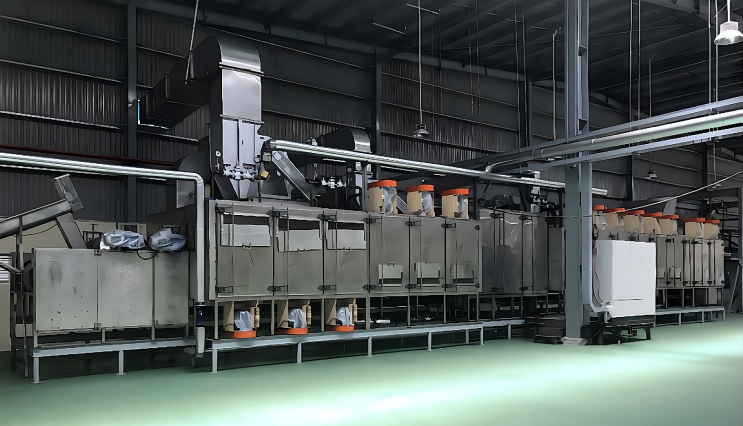
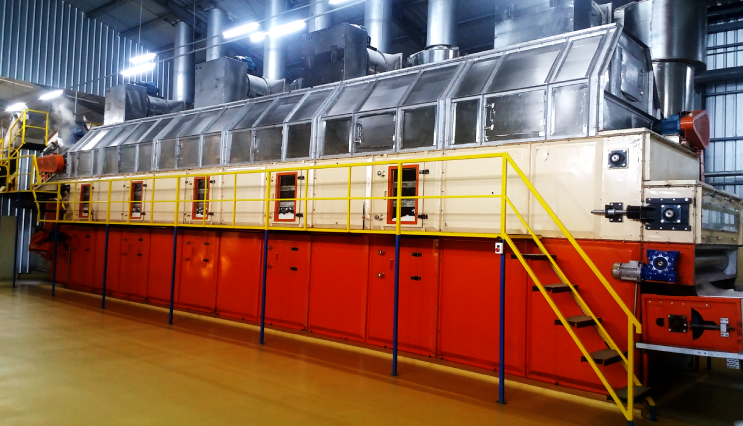
Ginger and turmeric suit a Band Dryer (Beltotherm), where low, zoned temperatures protect gingerols and curcumin and the solid belt carries sliced or boiled pieces evenly. Chilli runs on a Multi-Pass Conveyor Dryer or band dryer, because whole pods with waxy skins need long residence and turning between tiers. For mixed spice lines, band and multi-pass units are primary, with a Vibratory Fluid Bed Dryer as an alternate for small, free-flowing seeds and a Mesh Belt Dryer (Meshotherm) for less sensitive turmeric or chilli duties. Cardamom needs the gentlest settings to stay green.


What makes spices & rhizomes hard to dry
- Essential oils carry much of a spice's price, and they leave with the exhaust air when temperature or residence time runs too high.
- Whole rhizomes and pods resist drying through their skins, so slicing, splitting or boiling upstream shapes both dryer size and drying time.
- Colour measures such as curcumin assay and ASTA value fall with excess heat and light, directly lowering the price per kilogram.
- Different spices on one line need different temperature windows, so zone control and stored recipes matter more than raw drying capacity.
Why it pays back
Spice buyers pay on measurable quality: oil content, pungency, colour value and microbial cleanliness. Controlled mechanical drying replaces weather-dependent yard drying, reduces contamination and helps each lot meet export and extractor specifications. Exporters and oleoresin plants gain consistent grades, predictable volumes and fewer rejected consignments, which supports better pricing than commodity sun-dried product.
Spice and Rhizome Dryers: questions buyers ask
Is mechanical drying better than sun drying for spices?
What temperature should spices be dried at?
Can one spice dryer handle ginger, turmeric and chilli?
Send us a sample. See it dried.
We trial your material in our pilot facility before any equipment decision, then size the dryer from real data.
- Tell us the material, moisture and throughput.
- An engineer confirms the trial plan and sample shipping.
- You get drying data and a sized recommendation with a budget quotation.
Material not listed? Talk to our technical expert.
Describe it in the form, or message an engineer directly.
