Grain by-products drying covers the varied streams from wet milling, starch and malting plants, such as corn fibre, gluten feed, steep-wet screenings and malt culms. Each stream has a different particle size and moisture, so the dryer is selected stream by stream. Processors dry them to sell feed ingredients and avoid spoilage of wet residues.
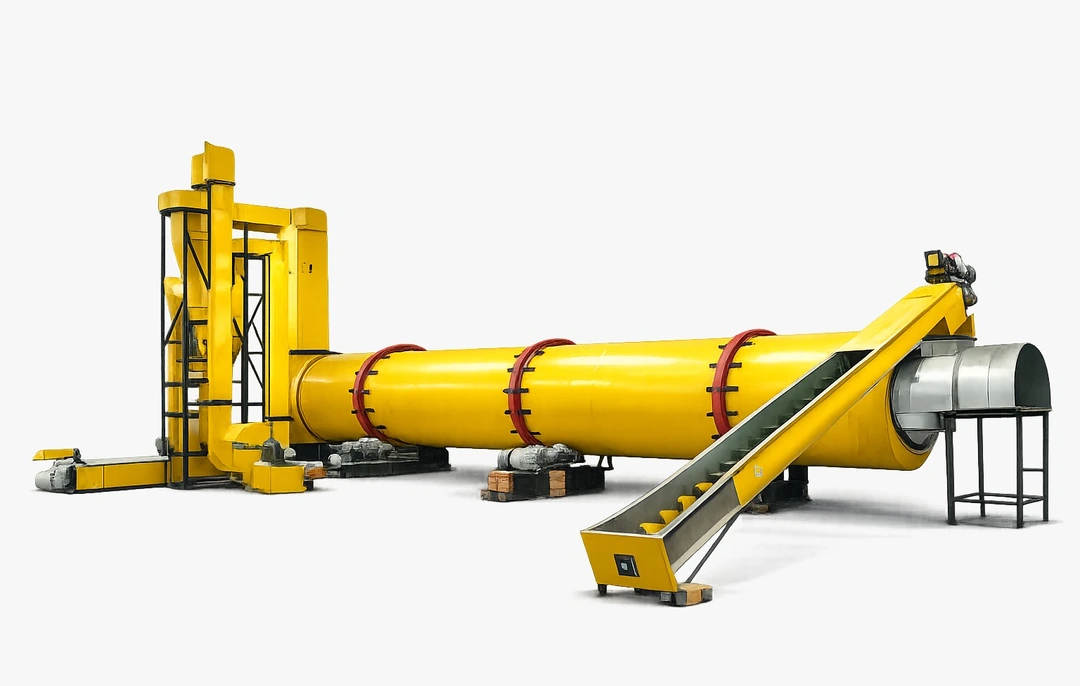
To dry grain by-products, GEM recommends the Rotary Dryer. The usual target is 10–12% moisture. Rotary Tube Bundle Dryer, Mesh Belt Dryer and Vibratory Fluid Bed Dryer are used when the feed or site calls for it. Every project starts with a pilot trial on your own sample.
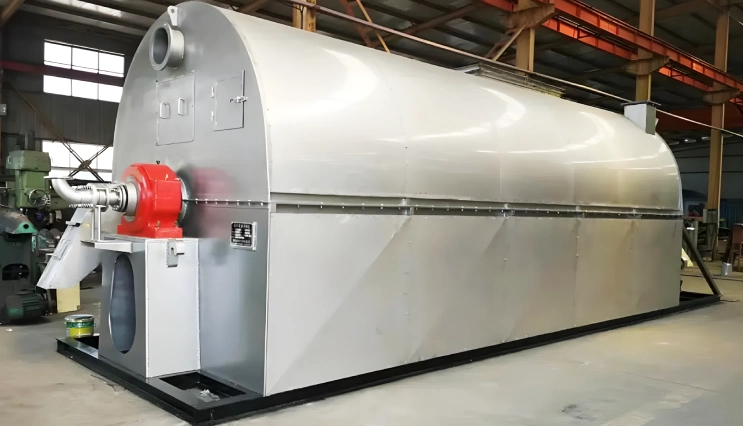
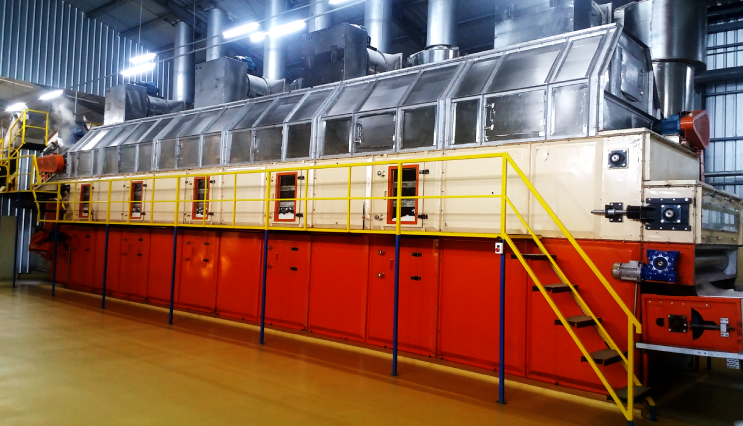
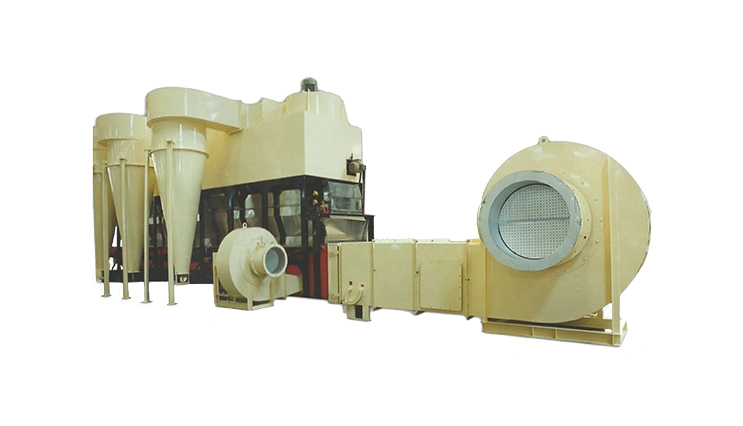
Robust rotary dryers handle the coarse, mixed wet-milling streams with back-mixing where needed. Steam-tube dryers suit plants with process steam, mesh belts suit porous fibre, and vibratory fluid beds suit near-dry, free-flowing screenings.
| Typical target moisture | 10–12% |
| Recommended dryer | Rotary Dryer |
| Alternatives | Rotary Tube Bundle Dryer, Mesh Belt Dryer, Vibratory Fluid Bed Dryer |
| Application area | Pomace, Pulp & By-products |
| Industries | Animal Feed, Breweries & Distilleries, Agriculture & Grain Processing |
Drying stabilises streams that would otherwise be sold wet at low value to nearby farms. Dry, pelleted by-products can be stored and shipped further, improving price and reducing waste.
Plants searching for a grain by-products dryer or comparing a corn gluten feed dryer usually need three answers: which dryer fits, what it costs to run, and how fast it pays back. For Grain By-products, we start from your throughput, current moisture and the target (10–12%), trial a sample on the Rotary Dryer, and return a sized recommendation with a budget quotation for your animal feed and agriculture operation.
Compare all 8 materials in Milling & Oilseed By-products or browse the wider Pomace, Pulp & By-products family.
We trial your material in our pilot facility before any equipment decision, then size the dryer from real data.
Describe it in the form, or Message an Engineer directly →