30–35% → 12–14% moisture. About 20% of the feed weight leaves as water, giving a stable product that stores and ships.
Rice drying after parboiling or cooking is a different task from field paddy drying: steaming gelatinises the starch and pushes moisture to 30–35%, and the grain must come back to 12–14% before milling or packing. Processors dry parboiled, quick-cook and instant rice to lock in a harder, translucent grain, reduce breakage and give consumers a shorter cooking time.
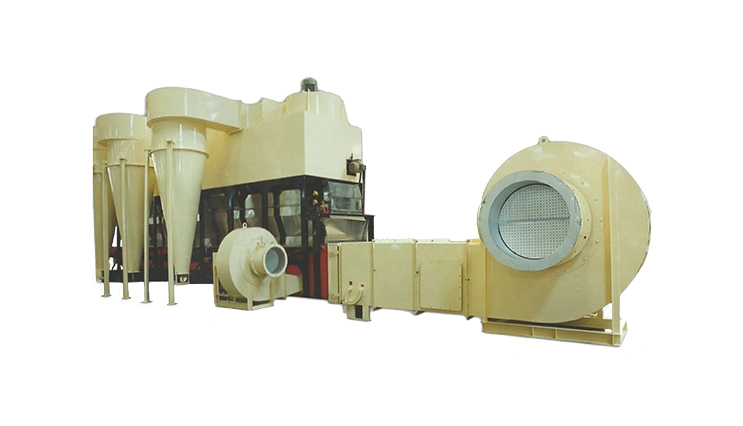
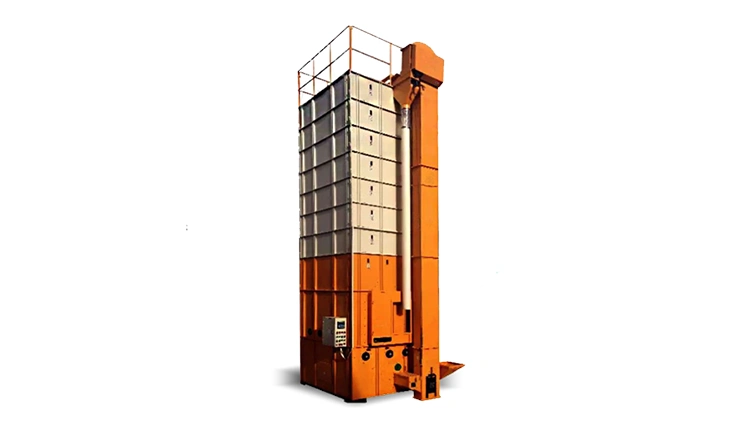
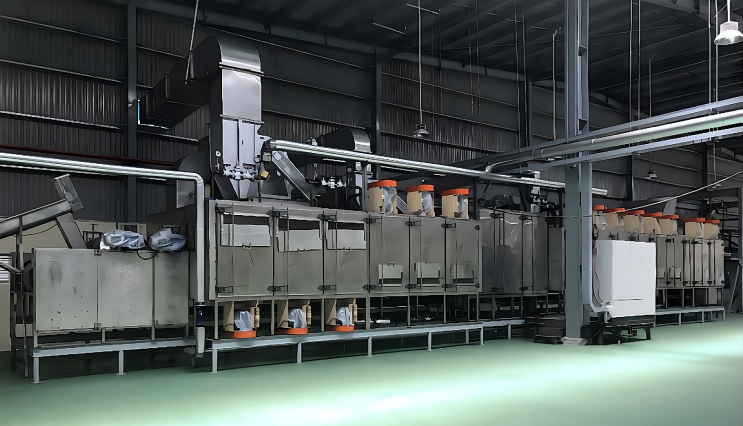
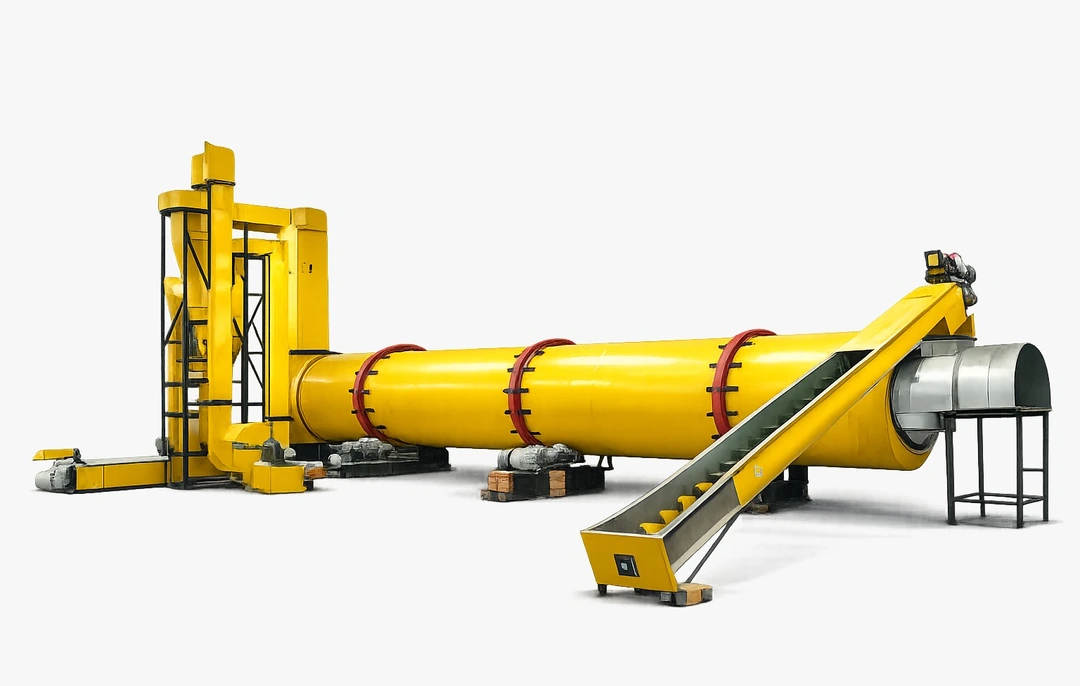
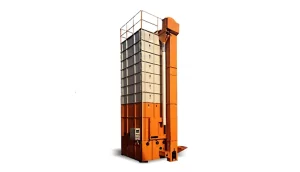
To dry rice, GEM recommends the Vibratory Fluid Bed Dryer and Grain Dryer. Typical moisture is 30–35% in the feed and 12–14% after drying. Band Dryer and Rotary Dryer are used when the feed or site calls for it. Every project starts with a pilot trial on your own sample.
A vibratory fluid bed separates sticky steamed grains and removes surface water quickly, then a grain dryer with tempering completes drying gently. A band dryer is used for instant and quick-cook rice where an even, undisturbed bed matters more than throughput.
| Typical feed moisture | 30–35% |
| Typical target moisture | 12–14% |
| Recommended dryer | Vibratory Fluid Bed Dryer, Grain Dryer |
| Alternatives | Band Dryer, Rotary Dryer |
| Application area | Grains, Pulses & Seeds |
| Industries | Agriculture & Grain Processing, Food & Beverage |
Controlled drying after parboiling cuts broken rice and gives a uniform colour that buyers pay more for. Replacing open-yard drying also removes rain delays and bird and dust contamination.
Plants searching for a parboiled rice dryer or comparing a rice drying machine usually need three answers: which dryer fits, what it costs to run, and how fast it pays back. For Rice, we start from your throughput, current moisture (typically 30–35%) and the target (12–14%), trial a sample on the Vibratory Fluid Bed Dryer, and return a sized recommendation with a budget quotation for your agriculture and food operation.
We trial your material in our pilot facility before any equipment decision, then size the dryer from real data.
Describe it in the form, or Message an Engineer directly →