Rice Crackers

Rice Crackers Drying and Baking

Rice cracker production combines drying and baking: steamed rice dough is formed and cut, the pieces are dried slowly to an even moisture, then baked or toasted until they puff and crisp. If the drying stage is rushed, pieces crack or puff unevenly, so both steps matter as much as the recipe.

Quick answer

To dry rice crackers, GEM recommends the Tunnel & Belt Oven and Band Dryer (Beltotherm). The usual target is 2–4% moisture. Industrial Cooler is used when the feed or site calls for it. Every project starts with a pilot trial on your own sample.

1998established112+installations7countriesDried & Testedin-house pilot trialsCertifications · Case studies
The challenge

What makes Rice Crackers hard to dry

  • Rice dough pieces case harden if pre-drying is too fast, causing cracks during baking.
  • Moisture must be even across every piece before baking, because it decides how uniformly the crackers expand.
  • Soy, sugar and seasoning glazes darken quickly and need controlled final heat.
  • Small pieces such as arare need belt support to avoid falling through.
How GEM dries it

The right dryer for Rice Crackers

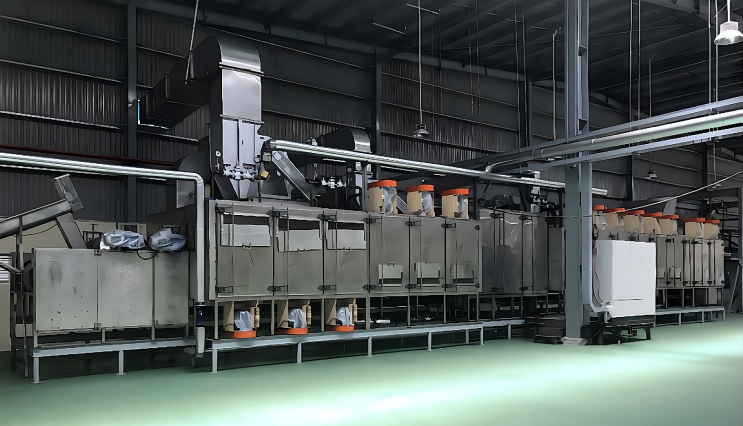
A band dryer handles the slow pre-drying of formed rice dough pieces, and the tunnel oven bakes them for puffing and colour. The oven also sets seasoning and glazes, and a cooler stabilises crackers before packing.

Typical target moisture2–4%
Recommended dryerTunnel & Belt Oven, Band Dryer (Beltotherm)
AlternativesIndustrial Cooler
Application areaBakery, Biscuits & Rice Crackers
IndustriesFood & Beverage
The value

What drying Rice Crackers unlocks

Controlled pre-drying and baking reduce cracking and uneven puff, which affect yield and appearance. Consistent quality matters in export markets where rice crackers are sold on visual standards.

Dried Rice Crackers becomes

  • Senbei and arare
  • Seasoned rice crackers
  • Glazed rice snack mixes
For buyers

Buying a Rice Crackers dryer?

Plants searching for a rice cracker oven or comparing a senbei drying machine usually need three answers: which dryer fits, what it costs to run, and how fast it pays back. For Rice Crackers, we start from your throughput, current moisture and the target (2–4%), trial a sample on the Tunnel & Belt Oven, and return a sized recommendation with a budget quotation for your food operation.

FAQ

Rice Crackers: questions buyers ask

Why do rice crackers crack during baking?
Cracks usually come from uneven moisture or a hard dried skin formed during pre-drying. Slower, staged drying lets moisture equalise before the pieces enter the oven.
Can GEM test our rice cracker process?
Yes. Your formed dough pieces can be pre-dried and baked at the Dried & Tested pilot facility to check moisture curves, puffing and colour before a full-scale line is specified.
Related

Related materials

Compare all 9 materials in Bakery, Biscuits & Rice Crackers.

Send us a sample. See it dried.

We trial your material in our pilot facility before any equipment decision, then size the dryer from real data.

  1. Tell us the material, moisture and throughput.
  2. An engineer confirms the trial plan and sample shipping.
  3. You get drying data and a sized recommendation with a budget quotation.

Material not listed? Talk to our technical expert.

Describe it in the form, or message an engineer directly.

Request a trial or quotation

    An engineer replies within one working day. We never share your details.

    whatsapp