20–25% → 13–14% moisture. About 10% of the feed weight leaves as water, giving a stable product that stores and ships.
Paddy drying decides how much whole rice a mill recovers, because the husked kernel fissures if moisture is pulled out too fast or unevenly. Monsoon and wet-season harvests arrive at 20–25% moisture, often faster than sun-drying yards can cope, so mills and procurement centres dry mechanically to reach safe storage moisture within a day or two of cutting.
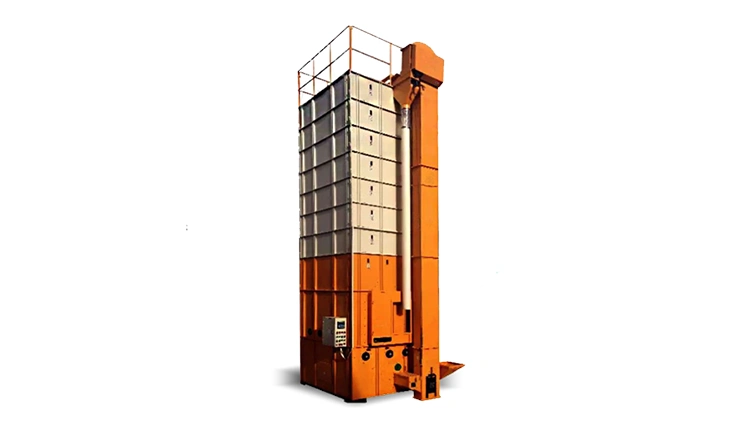
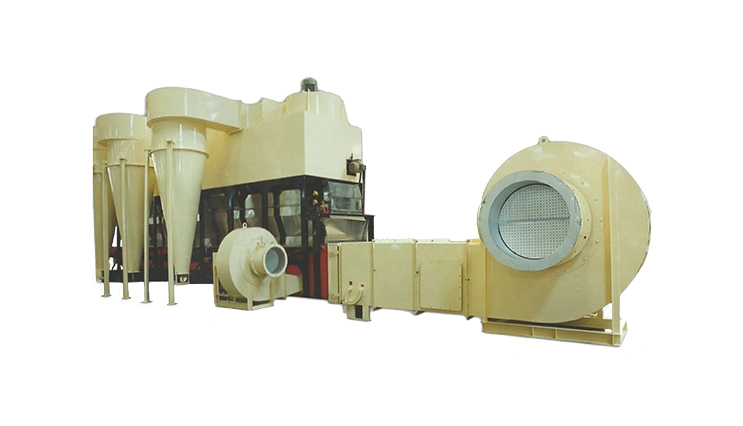
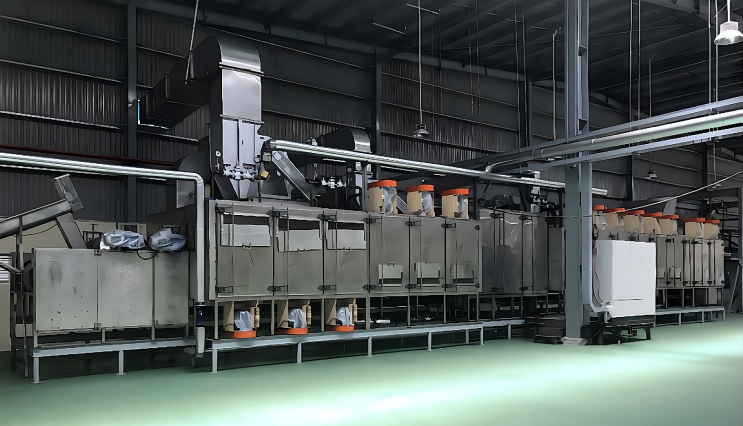
To dry paddy, GEM recommends the Grain Dryer. Typical moisture is 20–25% in the feed and 13–14% after drying. Vibratory Fluid Bed Dryer and Band Dryer are used when the feed or site calls for it. Every project starts with a pilot trial on your own sample.
A grain dryer with staged drying and tempering removes moisture in steps so the kernel core and surface stay close in moisture, which limits fissuring. A vibratory fluid bed is used as a fast first pass to strip surface water from very wet paddy before tempering.
| Typical feed moisture | 20–25% |
| Typical target moisture | 13–14% |
| Recommended dryer | Grain Dryer |
| Alternatives | Vibratory Fluid Bed Dryer, Band Dryer |
| Application area | Grains, Pulses & Seeds |
| Industries | Agriculture & Grain Processing |
Each percentage point of head rice saved adds directly to mill revenue, and mechanical drying removes weather risk from yellowing, mould and spoilage in heaps. Husk from the mill can fire the dryer furnace, cutting fuel cost.
Plants searching for a paddy dryer or comparing a paddy drying machine usually need three answers: which dryer fits, what it costs to run, and how fast it pays back. For Paddy, we start from your throughput, current moisture (typically 20–25%) and the target (13–14%), trial a sample on the Grain Dryer, and return a sized recommendation with a budget quotation for your agriculture operation.
We trial your material in our pilot facility before any equipment decision, then size the dryer from real data.
Describe it in the form, or Message an Engineer directly →