Rice bran drying is mainly about stabilisation: the oil-rich outer layers from rice milling start turning rancid within hours as lipase acts on the oil. Heating the bran to inactivate this enzyme, then drying and cooling it, keeps free fatty acids low. Mills and oil extractors stabilise bran to get better oil yield and food-grade bran.
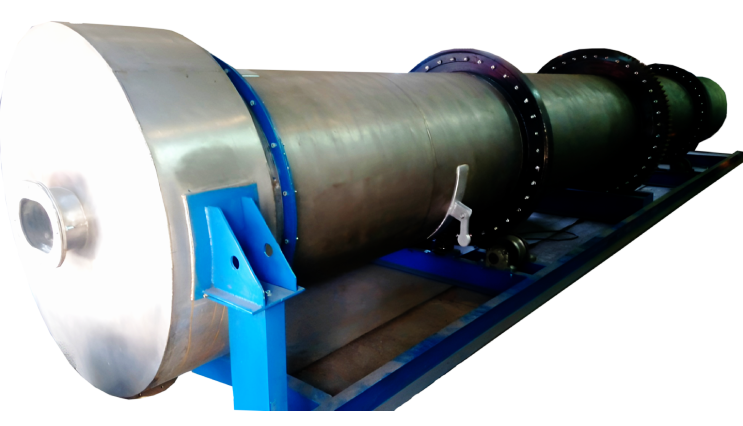
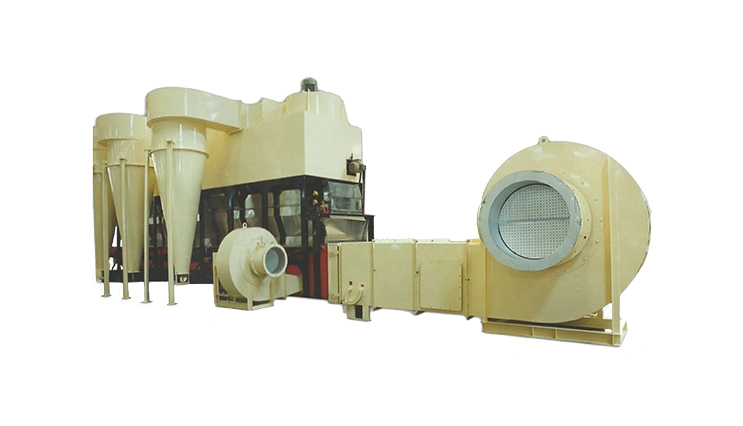
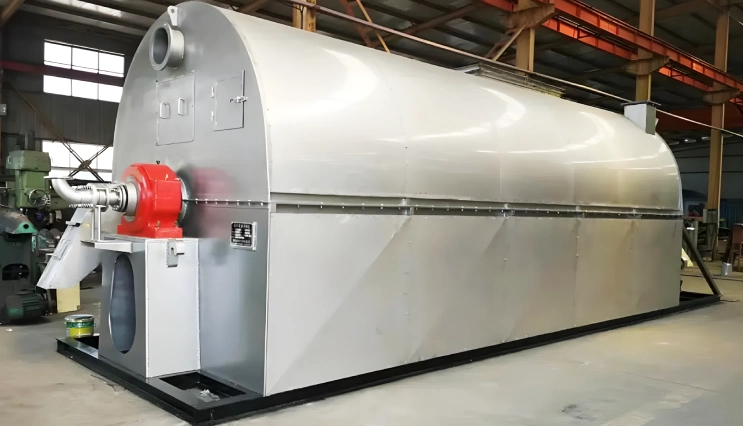
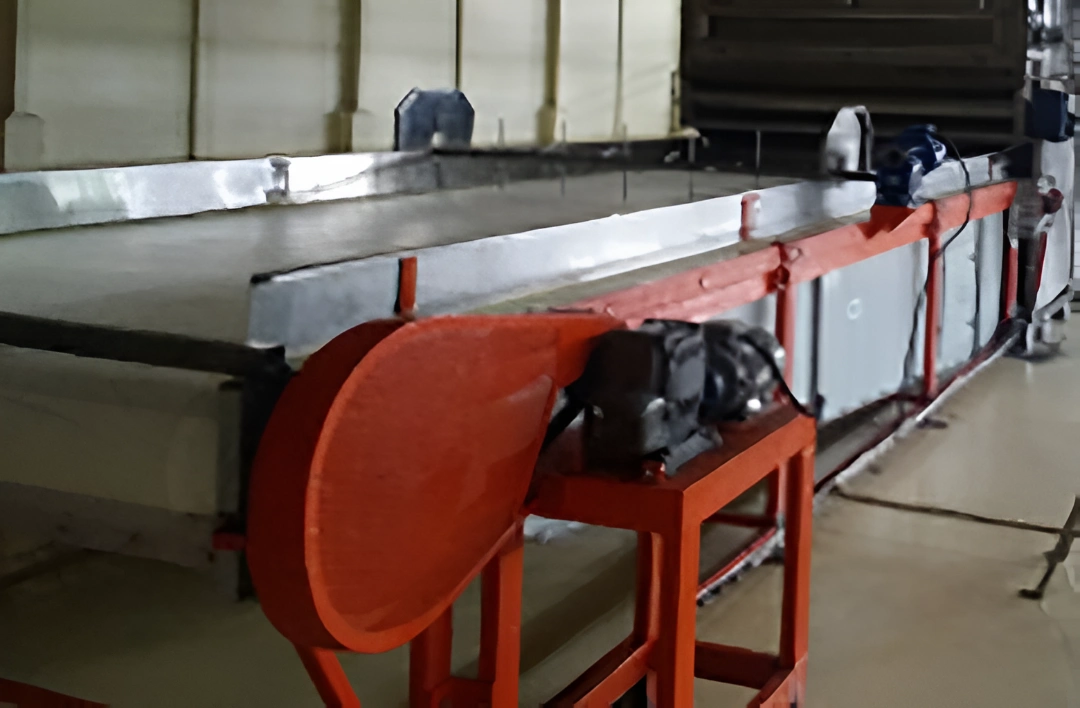
To dry rice bran, GEM recommends the Direct / Indirect Rotary Dryer and Vibratory Fluid Bed Dryer. Typical moisture is 10–14% in the feed and 5–8% after drying. Rotary Tube Bundle Dryer and Industrial Cooler are used when the feed or site calls for it. Every project starts with a pilot trial on your own sample.
A direct/indirect rotary dryer in indirect mode heats oily bran through the shell for stabilisation, while a vibratory fluid bed at moderate air temperature dries and conditions it. Steam-tube dryers suit larger plants with steam, and a cooler finishes the product.
| Typical feed moisture | 10–14% |
| Typical target moisture | 5–8% |
| Recommended dryer | Direct / Indirect Rotary Dryer, Vibratory Fluid Bed Dryer |
| Alternatives | Rotary Tube Bundle Dryer, Industrial Cooler |
| Application area | Pomace, Pulp & By-products |
| Industries | Animal Feed, Breweries & Distilleries, Agriculture & Grain Processing |
Stabilised bran yields more usable oil with lower refining loss, and it can be stored and transported to distant solvent plants. Food-grade stabilised bran sells for considerably more than raw bran.
Plants searching for a rice bran dryer or comparing a rice bran stabilisation machine usually need three answers: which dryer fits, what it costs to run, and how fast it pays back. For Rice Bran, we start from your throughput, current moisture (typically 10–14%) and the target (5–8%), trial a sample on the Direct / Indirect Rotary Dryer, and return a sized recommendation with a budget quotation for your animal feed and agriculture operation.
Compare all 8 materials in Milling & Oilseed By-products or browse the wider Pomace, Pulp & By-products family.
We trial your material in our pilot facility before any equipment decision, then size the dryer from real data.
Describe it in the form, or message an engineer directly.