Grass and hay drying turns fresh meadow grass, ryegrass or partly field-dried hay into grass meal, pellets and cubes that keep their protein and green colour. Mechanical drying removes dependence on fair weather, which is the main cause of poor hay quality.
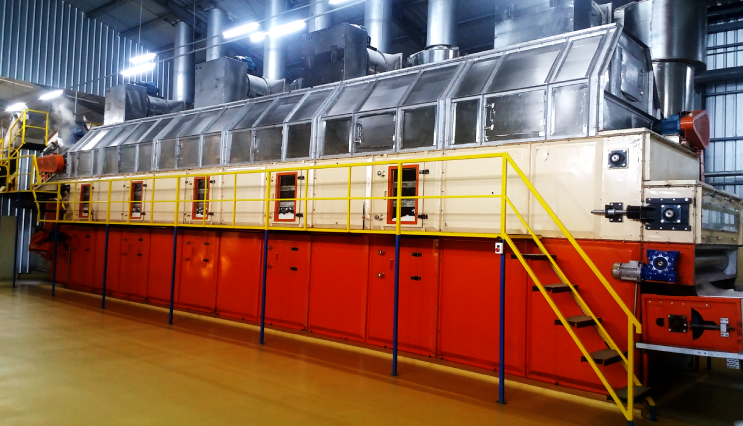
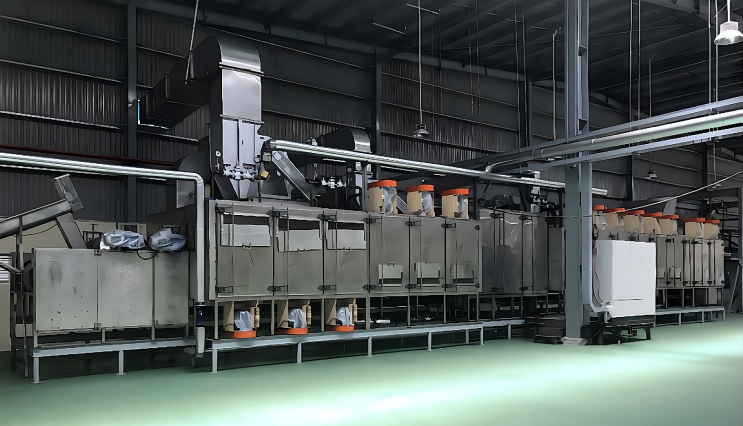
To dry grass & hay, GEM recommends the Mesh Belt Dryer (Meshotherm). Typical moisture is 60–80% in the feed and 10–12% after drying. Hybrid Belt + Fluid Bed Dryer and Band Dryer are used when the feed or site calls for it. Every project starts with a pilot trial on your own sample.
A mesh belt dries chopped grass as an even, permeable bed at controlled temperature, protecting protein and colour. Aerodryve is chosen for fresh grass with very high moisture, and a band dryer for premium small-animal feed grades.
| Typical feed moisture | 60–80% |
| Typical target moisture | 10–12% |
| Recommended dryer | Mesh Belt Dryer (Meshotherm) |
| Alternatives | Hybrid Belt + Fluid Bed Dryer, Band Dryer |
| Application area | Forage & Green Fodder |
| Industries | Agriculture & Grain Processing, Animal Feed, Breweries & Distilleries |
Dried grass products keep feed value through storage and command higher prices than weather-damaged hay. Drying also lets farms harvest at the ideal growth stage.
Plants searching for a grass dryer or comparing a hay drying machine usually need three answers: which dryer fits, what it costs to run, and how fast it pays back. For Grass & Hay, we start from your throughput, current moisture (typically 60–80%) and the target (10–12%), trial a sample on the Mesh Belt Dryer, and return a sized recommendation with a budget quotation for your agriculture and animal feed operation.
We trial your material in our pilot facility before any equipment decision, then size the dryer from real data.
Describe it in the form, or message an engineer directly.