18–22% → 10–12% moisture. About 10% of the feed weight leaves as water, giving a stable product that stores and ships.
Black gram drying is central to urad dal milling, where whole urad is conditioned with water or oil to free its husk and then dried before dehusking and splitting. Urad has a mucilaginous layer under the black seed coat that turns sticky when wet, so it handles differently from moong or chana in dryers.
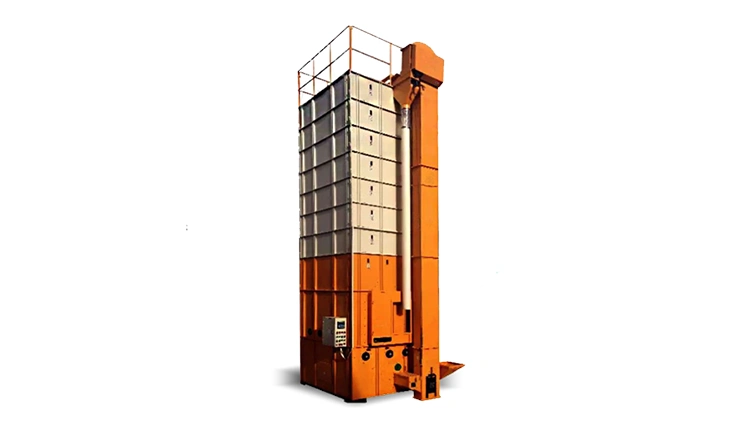
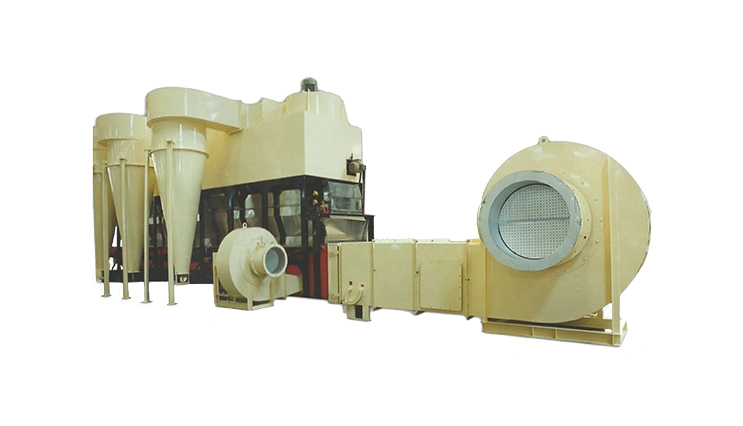
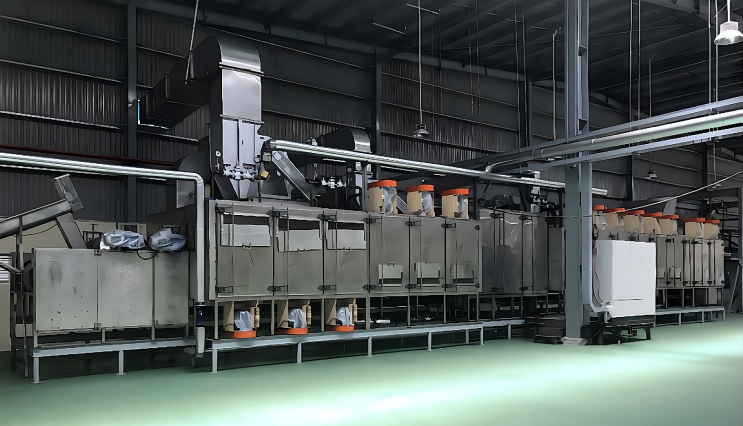
To dry black gram, GEM recommends the Grain Dryer. Typical moisture is 18–22% in the feed and 10–12% after drying. Vibratory Fluid Bed Dryer and Band Dryer are used when the feed or site calls for it. Every project starts with a pilot trial on your own sample.
A grain dryer with continuous gentle movement keeps sticky conditioned urad from clumping while drying it evenly. A vibratory fluid bed is used where the plant wants a faster first stage, and a band dryer for urad used in ready-mix batter products.
| Typical feed moisture | 18–22% |
| Typical target moisture | 10–12% |
| Recommended dryer | Grain Dryer |
| Alternatives | Vibratory Fluid Bed Dryer, Band Dryer |
| Application area | Grains, Pulses & Seeds |
| Industries | Agriculture & Grain Processing, Food & Beverage |
Even drying improves dehusking and reduces breakage, which directly raises dal yield and lowers powder losses. Replacing yard drying also cuts the labour and handling cost of each conditioning cycle.
Plants searching for a black gram dryer or comparing a urad dal drying machine usually need three answers: which dryer fits, what it costs to run, and how fast it pays back. For Black Gram, we start from your throughput, current moisture (typically 18–22%) and the target (10–12%), trial a sample on the Grain Dryer, and return a sized recommendation with a budget quotation for your agriculture and food operation.
We trial your material in our pilot facility before any equipment decision, then size the dryer from real data.
Describe it in the form, or Message an Engineer directly →