18–22% → 10–12% moisture. About 10% of the feed weight leaves as water, giving a stable product that stores and ships.
Toor dal drying is the slowest step in many pigeon pea mills because the husk is tightly bound and seeds are traditionally oiled, wetted and sun-dried over several days before dehulling. Mechanical drying shortens that cycle to hours, makes milling independent of weather and gives more even moisture, which improves dehusking and dal recovery.
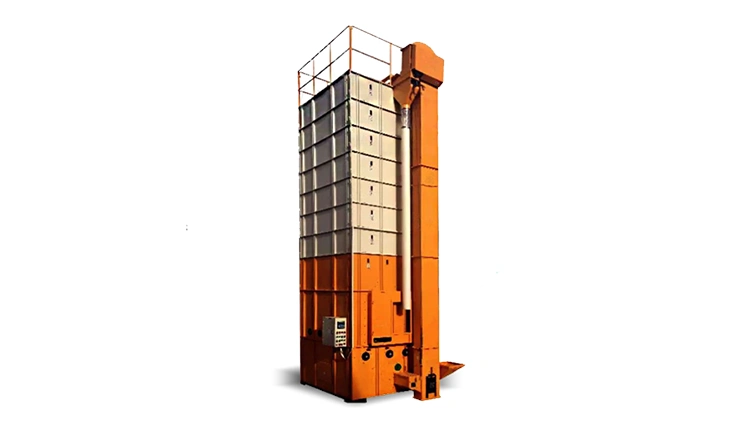
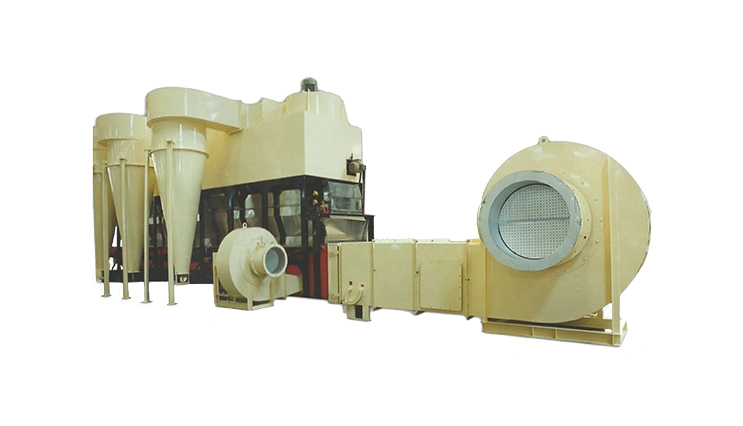
To dry toor dal, GEM recommends the Grain Dryer. Typical moisture is 18–22% in the feed and 10–12% after drying. Vibratory Fluid Bed Dryer and Multi-Pass Conveyor Dryer are used when the feed or site calls for it. Every project starts with a pilot trial on your own sample.
A grain dryer suits toor because seeds can be dried in a deep, moving bed with controlled air over several cycles. A vibratory fluid bed is used for a fast intermediate pass, and a multi-pass conveyor dryer where floor space is limited.
| Typical feed moisture | 18–22% |
| Typical target moisture | 10–12% |
| Recommended dryer | Grain Dryer |
| Alternatives | Vibratory Fluid Bed Dryer, Multi-Pass Conveyor Dryer |
| Application area | Grains, Pulses & Seeds |
| Industries | Agriculture & Grain Processing, Food & Beverage |
Cutting drying from days to hours frees yard space, removes monsoon shutdowns and raises dal recovery. Even moisture also improves polish and shelf life of packed dal.
Plants searching for a toor dal dryer or comparing a pigeon pea drying machine usually need three answers: which dryer fits, what it costs to run, and how fast it pays back. For Toor Dal, we start from your throughput, current moisture (typically 18–22%) and the target (10–12%), trial a sample on the Grain Dryer, and return a sized recommendation with a budget quotation for your agriculture and food operation.
We trial your material in our pilot facility before any equipment decision, then size the dryer from real data.
Describe it in the form, or Message an Engineer directly →