Hemp biomass drying must remove water from freshly harvested flower and leaf quickly enough to stop mould while keeping cannabinoids and terpenes intact. Fresh hemp is very wet and spoils within hours if piled, so harvest capacity is usually limited by the dryer.
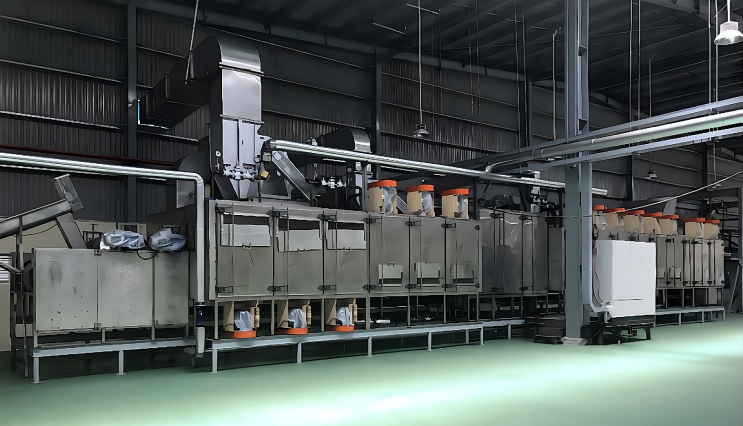
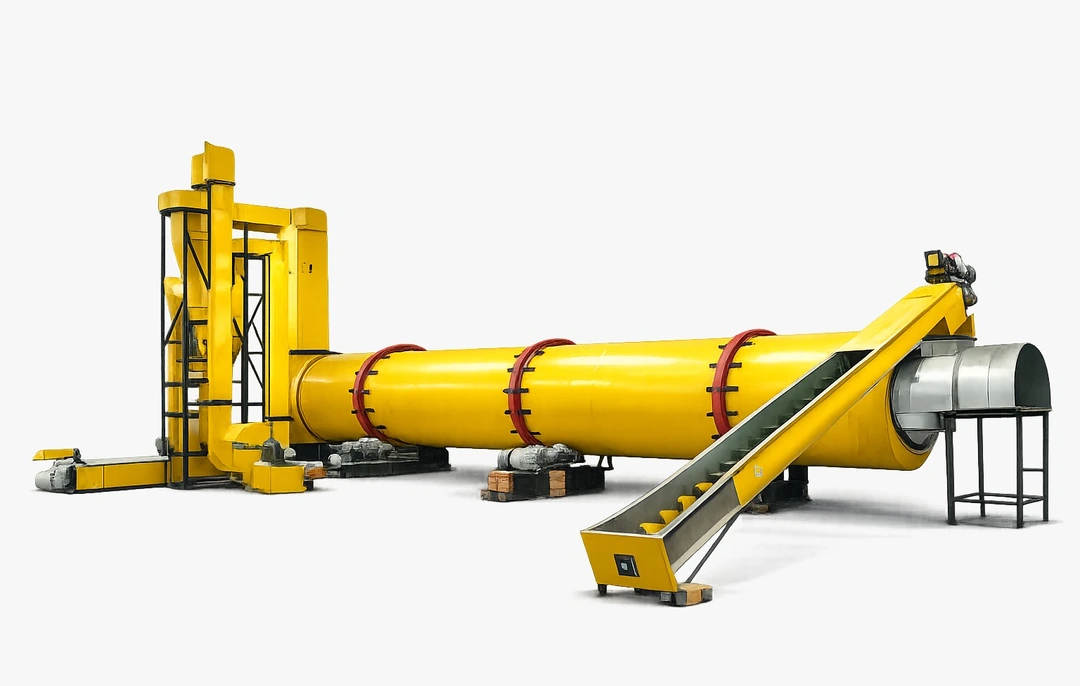
To dry hemp biomass, GEM recommends the Band Dryer (Beltotherm). Typical moisture is 70–80% in the feed and 8–12% after drying. Multi-Pass Conveyor Dryer, Hybrid Belt + Fluid Bed Dryer and Rotary Dryer are used when the feed or site calls for it. Every project starts with a pilot trial on your own sample.
A band dryer gives gentle, multi-zone drying at low product temperature, protecting cannabinoid and terpene content. A multi-pass conveyor suits smaller footprints; Aerodryve or rotary dryers are chosen for fibre or low-value biomass where throughput matters more than terpenes.
| Typical feed moisture | 70–80% |
| Typical target moisture | 8–12% |
| Recommended dryer | Band Dryer (Beltotherm) |
| Alternatives | Multi-Pass Conveyor Dryer, Hybrid Belt + Fluid Bed Dryer, Rotary Dryer |
| Application area | Herbal, Botanical & Nutraceutical |
| Industries | Nutraceuticals & Herbal, Agriculture & Grain Processing |
Fast, controlled drying preserves extractable content and prevents mould losses at harvest. It lets growers harvest at the right time instead of when drying space is free.
Plants searching for a hemp dryer or comparing a hemp biomass drying machine usually need three answers: which dryer fits, what it costs to run, and how fast it pays back. For Hemp Biomass, we start from your throughput, current moisture (typically 70–80%) and the target (8–12%), trial a sample on the Band Dryer, and return a sized recommendation with a budget quotation for your nutraceuticals and agriculture operation.
We trial your material in our pilot facility before any equipment decision, then size the dryer from real data.
Describe it in the form, or message an engineer directly.