16–20% → 13–14% moisture. About 5% of the feed weight leaves as water, giving a stable product that stores and ships.
Rye drying matters most in wet harvests, because rye sprouts in the ear more readily than wheat and quickly loses falling number, the measure millers use to judge baking quality. Grain cut at 16–20% moisture is dried to around 13–14% to halt enzyme activity and allow safe storage for flour, crispbread and distilling uses.
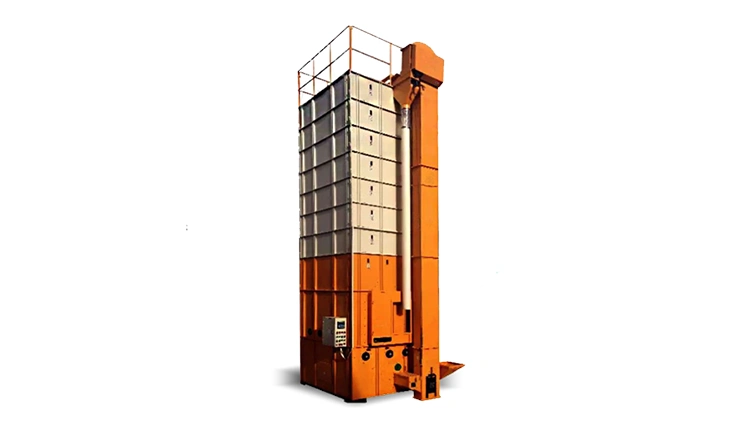
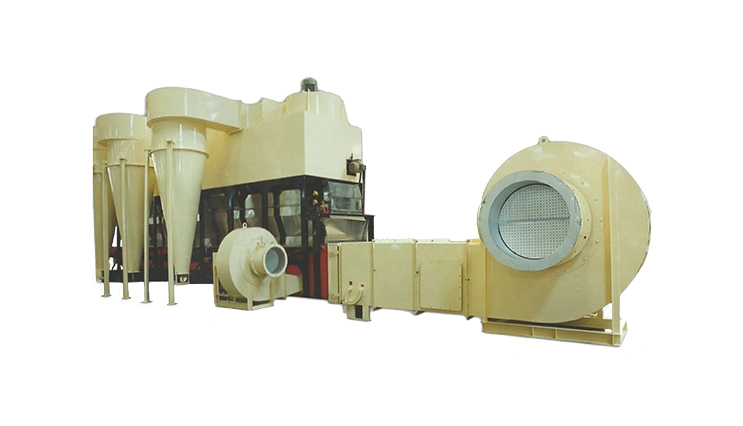
To dry rye, GEM recommends the Grain Dryer. Typical moisture is 16–20% in the feed and 13–14% after drying. Vibratory Fluid Bed Dryer is used when the feed or site calls for it. Every project starts with a pilot trial on your own sample.
A grain dryer with moderate air temperature and thorough mixing brings rye down evenly and quickly enough to stop sprouting damage. A vibratory fluid bed is selected only where rye is conditioned or flaked in a food plant.
| Typical feed moisture | 16–20% |
| Typical target moisture | 13–14% |
| Recommended dryer | Grain Dryer |
| Alternatives | Vibratory Fluid Bed Dryer |
| Application area | Grains, Pulses & Seeds |
| Industries | Agriculture & Grain Processing |
Fast drying preserves falling number, which decides whether rye sells at milling or feed price. Dry, clean rye also stores safely until processors need it.
Plants searching for a rye dryer or comparing a rye grain drying usually need three answers: which dryer fits, what it costs to run, and how fast it pays back. For Rye, we start from your throughput, current moisture (typically 16–20%) and the target (13–14%), trial a sample on the Grain Dryer, and return a sized recommendation with a budget quotation for your agriculture operation.
We trial your material in our pilot facility before any equipment decision, then size the dryer from real data.
Describe it in the form, or Message an Engineer directly →