Okara drying stabilises the moist soy pulp left after soymilk and tofu production. Okara is rich in fibre and protein but spoils within hours at room temperature, so most of it is wasted unless dried fast. Soy food makers dry it into food-grade powder or feed and stop paying to dispose of a perishable, wet residue.
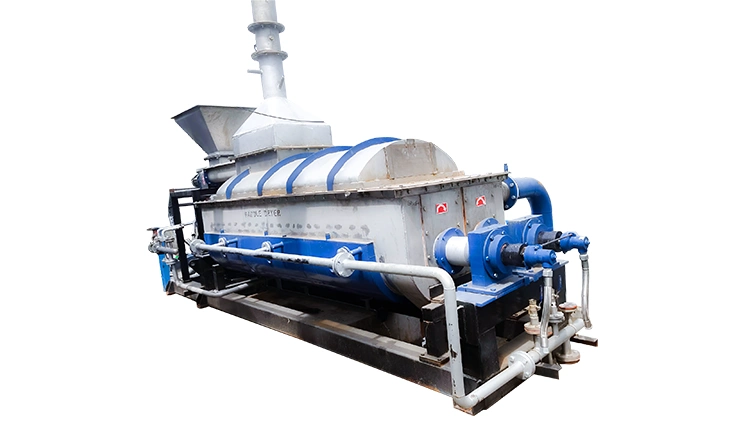
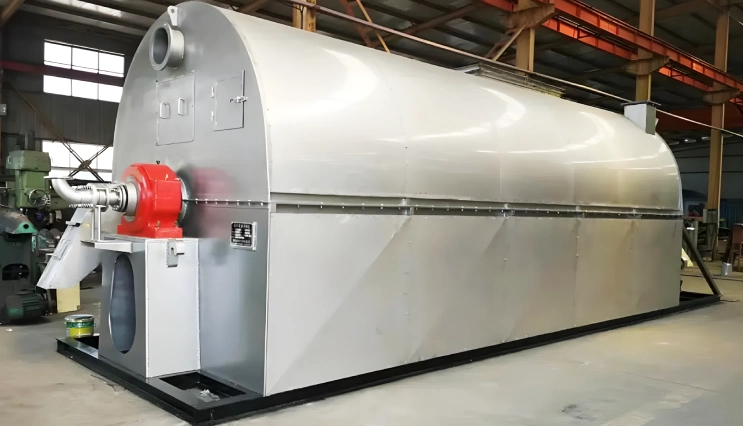
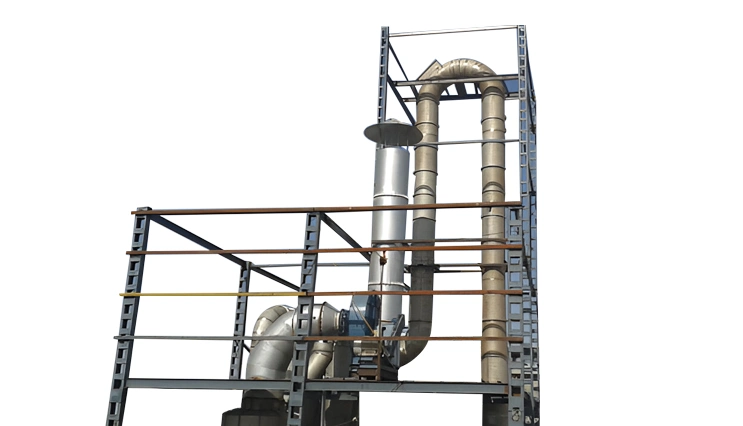
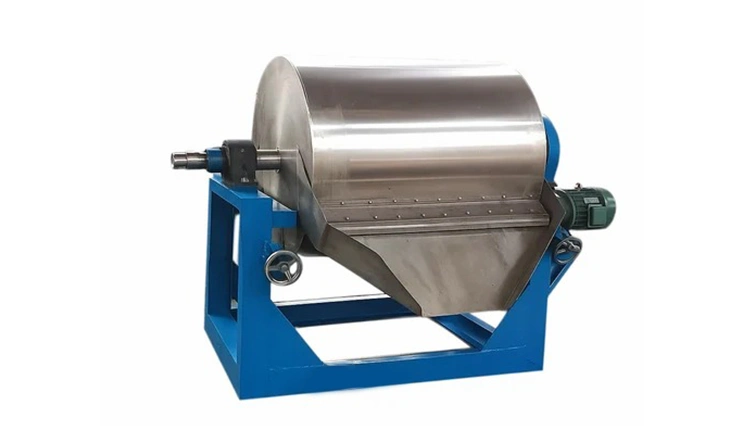
To dry okara (soy pulp), GEM recommends the Paddle Dryer and Rotary Tube Bundle Dryer. Typical moisture is 75–85% in the feed and 6–10% after drying. Flash Dryer and Single / Double Drum Dryer are used when the feed or site calls for it. Every project starts with a pilot trial on your own sample.
A paddle dryer handles okara's paste-like texture, mixing it continuously while heating indirectly to avoid scorching. Steam-tube dryers suit larger lines, flash dryers suit pre-dewatered okara with back-mixing, and drum dryers make fine flakes from diluted pulp.
| Typical feed moisture | 75–85% |
| Typical target moisture | 6–10% |
| Recommended dryer | Paddle Dryer, Rotary Tube Bundle Dryer |
| Alternatives | Flash Dryer, Single / Double Drum Dryer |
| Application area | Pomace, Pulp & By-products |
| Industries | Food & Beverage, Animal Feed, Breweries & Distilleries |
Soymilk and tofu plants generate okara in quantities close to the beans processed. Drying turns this daily disposal cost into a protein and fibre ingredient sold to food and feed makers.
Plants searching for a okara dryer or comparing a soy pulp drying machine usually need three answers: which dryer fits, what it costs to run, and how fast it pays back. For Okara (Soy Pulp), we start from your throughput, current moisture (typically 75–85%) and the target (6–10%), trial a sample on the Paddle Dryer, and return a sized recommendation with a budget quotation for your food and animal feed operation.
Compare all 8 materials in Milling & Oilseed By-products or browse the wider Pomace, Pulp & By-products family.
We trial your material in our pilot facility before any equipment decision, then size the dryer from real data.
Describe it in the form, or message an engineer directly.