55–70% → 5–8% moisture. About 60% of the feed weight leaves as water, giving a stable product that stores and ships.
Protein powder drying converts wet plant protein curd or cake, from pea, rice, potato or wheat processing, into powder for supplements, beverages and meat analogues. Proteins lose solubility and functionality when heated too long while wet, so short contact time matters. The wet cake is cohesive and needs conditioning to dry as fine particles.
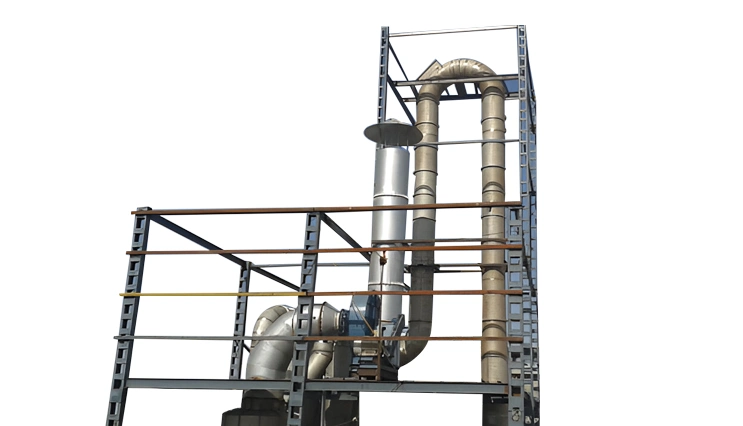
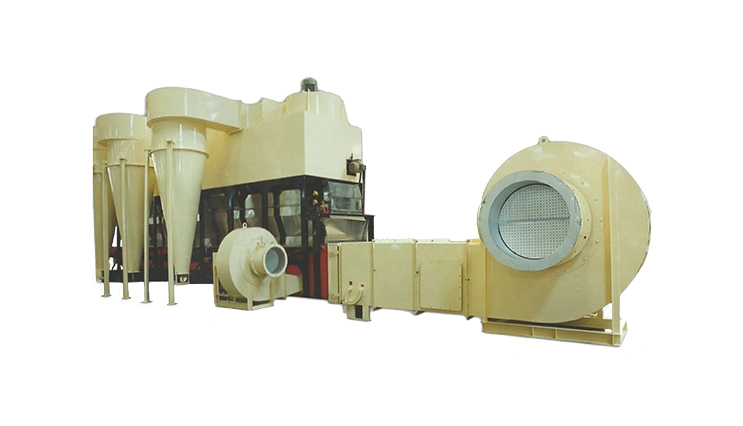
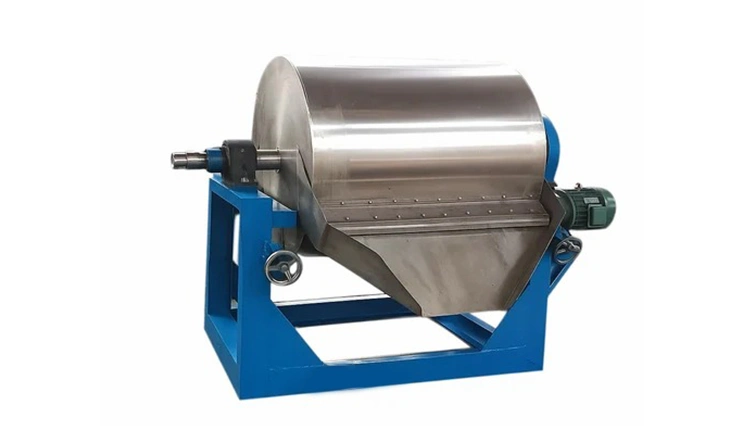
To dry protein powders, GEM recommends the Flash Dryer. Typical moisture is 55–70% in the feed and 5–8% after drying. Vibratory Fluid Bed Dryer, Single / Double Drum Dryer and Freeze Dryer / Lyophilizer are used when the feed or site calls for it. Every project starts with a pilot trial on your own sample.
A flash dryer disperses disintegrated wet protein cake in a hot air stream for a few seconds, drying it before proteins are damaged. A vibratory fluid bed suits agglomeration or final drying; drum drying suits feed-grade protein where functionality matters less.
| Typical feed moisture | 55–70% |
| Typical target moisture | 5–8% |
| Recommended dryer | Flash Dryer |
| Alternatives | Vibratory Fluid Bed Dryer, Single / Double Drum Dryer, Freeze Dryer / Lyophilizer |
| Application area | Herbal, Botanical & Nutraceutical |
| Industries | Nutraceuticals & Herbal, Food & Beverage |
Retained functionality and solubility set protein powder price. Efficient drying turns wet process streams, often from starch plants, into high-value powders for growing plant-based and sports nutrition markets.
Plants searching for a protein powder dryer or comparing a plant protein drying machine usually need three answers: which dryer fits, what it costs to run, and how fast it pays back. For Protein Powders, we start from your throughput, current moisture (typically 55–70%) and the target (5–8%), trial a sample on the Flash Dryer, and return a sized recommendation with a budget quotation for your nutraceuticals and food operation.
We trial your material in our pilot facility before any equipment decision, then size the dryer from real data.
Describe it in the form, or Message an Engineer directly →