70–85% → 8–10% moisture. About 75% of the feed weight leaves as water, giving a stable product that stores and ships.
Lees drying stabilises the yeast sediment that settles in wine, sake and other fermentation tanks after racking. Lees combine dead yeast, tartrates and residual alcohol, so their handling differs from fibrous pomace. Producers dry them to recover tartaric acid feedstock, sell yeast-rich feed or food ingredients and reduce effluent load.
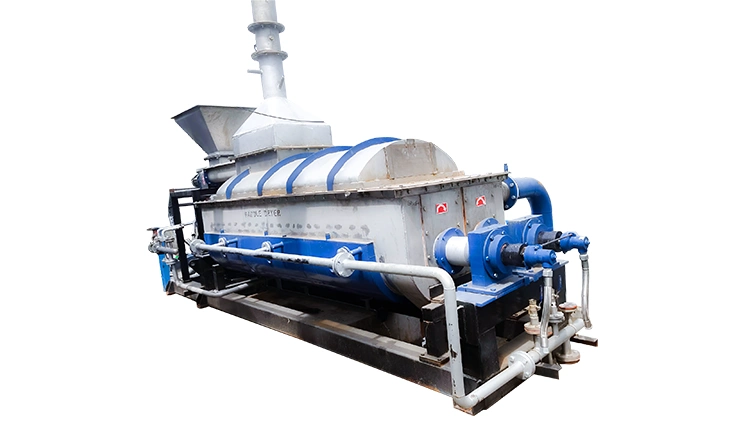
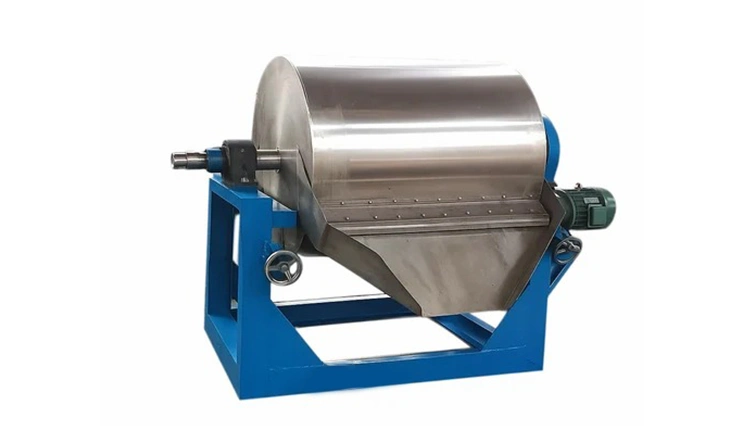
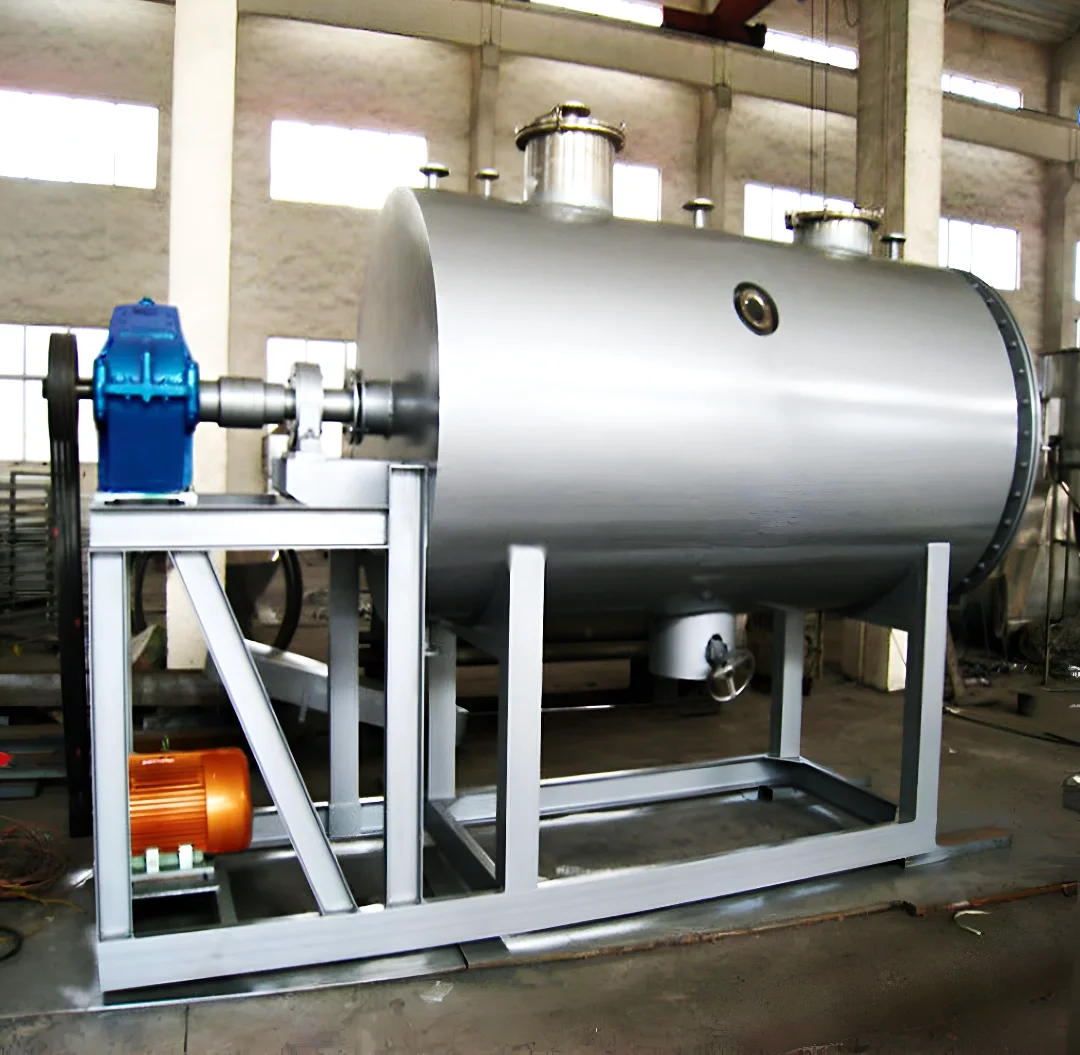
To dry lees, GEM recommends the Paddle Dryer. Typical moisture is 70–85% in the feed and 8–10% after drying. Single / Double Drum Dryer and Rotary Vacuum Dryer are used when the feed or site calls for it. Every project starts with a pilot trial on your own sample.
A paddle dryer heats lees indirectly while its paddles break up the sticky paste, and the sealed casing contains alcohol vapour. Drum drying fits thinner, de-alcoholised lees, and rotary vacuum drying suits small, food-grade batches such as sake lees.
| Typical feed moisture | 70–85% |
| Typical target moisture | 8–10% |
| Recommended dryer | Paddle Dryer |
| Alternatives | Single / Double Drum Dryer, Rotary Vacuum Dryer |
| Application area | Pomace, Pulp & By-products |
| Industries | Animal Feed, Breweries & Distilleries, Food & Beverage |
Lees add strong organic load to winery effluent if washed away. Drying them reduces treatment cost and yields a product saleable to tartrate recovery, feed or specialty food markets.
Plants searching for a wine lees dryer or comparing a lees drying machine usually need three answers: which dryer fits, what it costs to run, and how fast it pays back. For Lees, we start from your throughput, current moisture (typically 70–85%) and the target (8–10%), trial a sample on the Paddle Dryer, and return a sized recommendation with a budget quotation for your animal feed and food operation.
Compare all 8 materials in Brewery, Distillery & Beverage By-products or browse the wider Pomace, Pulp & By-products family.
We trial your material in our pilot facility before any equipment decision, then size the dryer from real data.
Describe it in the form, or Message an Engineer directly →