


Feed Pellet Dryers & Coolers
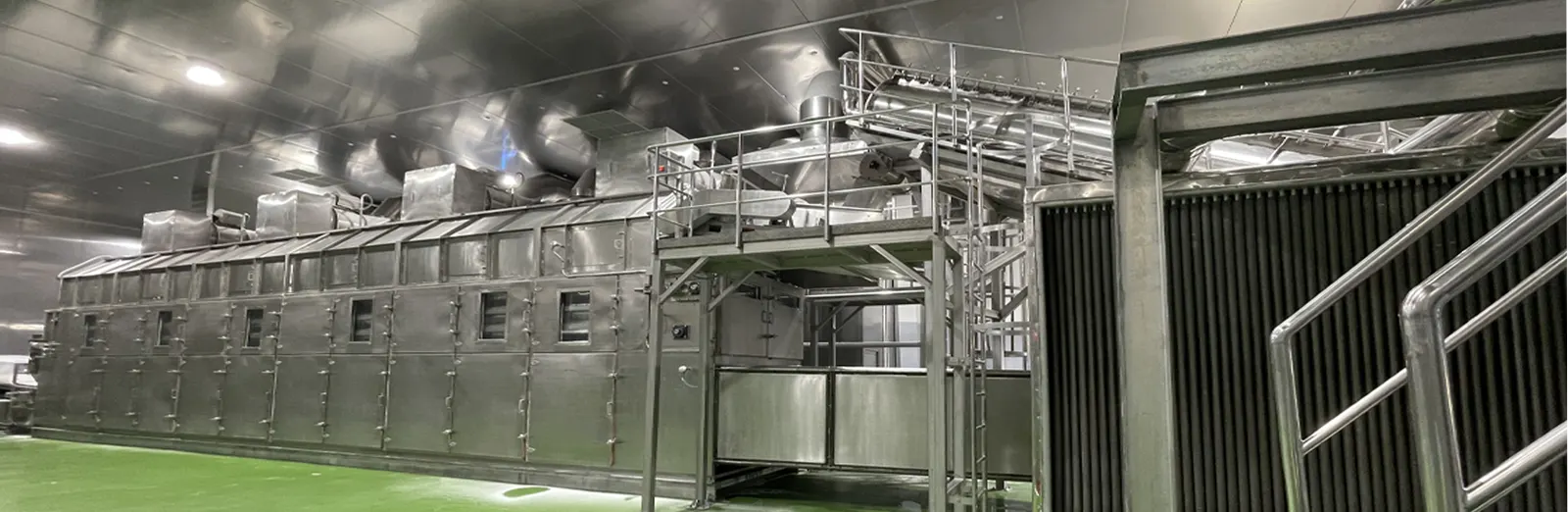
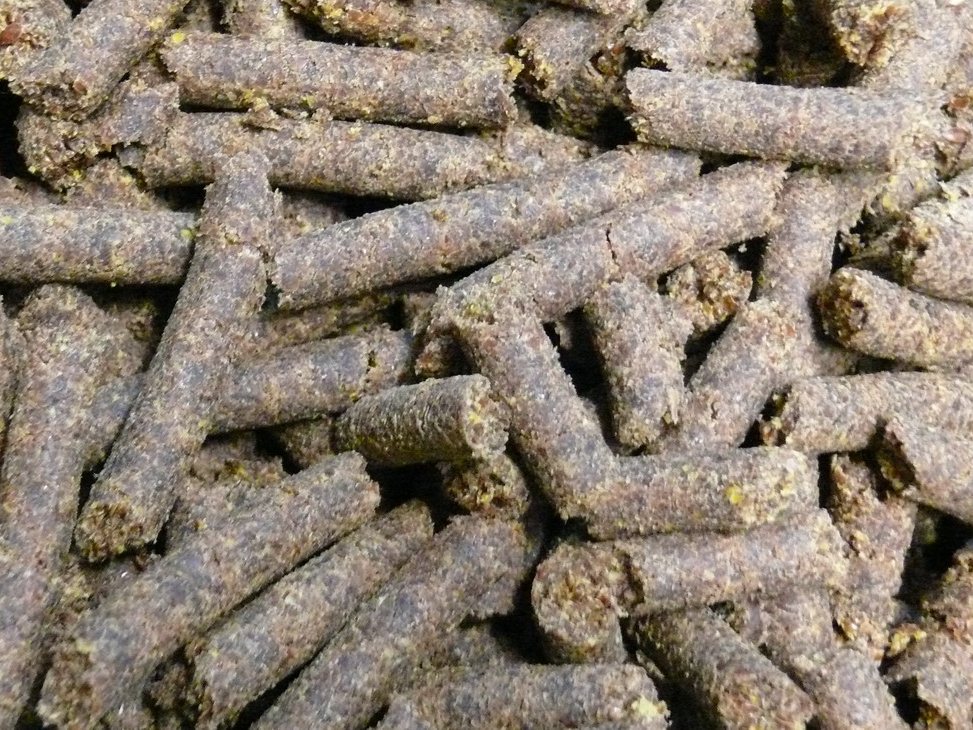
This hub covers pelleted for poultry, cattle, buffalo, horses and rabbits. Unlike extruded aqua feed, most of these pellets come off a steam-conditioned pellet mill carrying modest extra moisture and a lot of heat, so the job combines cooling with light drying. Feed in this group typically enters at 15–25% moisture and is brought down to 10–12.5%. The main problem buyers face is removing that heat and water without breaking soft pellets or generating fines before the bin.
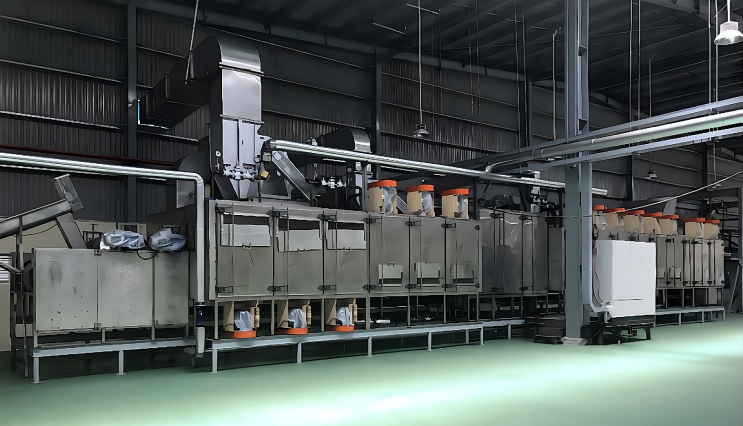
For livestock & poultry feed, GEM most often specifies the Industrial Cooler and Band Dryer (Beltotherm). Moisture targets differ by material, so the table below lists typical feed and target moisture for each of the 3 materials in this group, and every project is confirmed on your own sample in a pilot trial.
Livestock & Poultry Feed: moisture and dryer by material
| Material | Feed moisture | Target | Recommended dryer |
|---|---|---|---|
| Poultry Feed | 15–17% | 11–12.5% | Industrial Cooler / Band Dryer |
| Cattle Feed | 15–18% | 10–12% | Industrial Cooler / Band Dryer |
| Feed Pellets | 15–18% | 10–12% | Industrial Cooler / Band Dryer |
Typical values. Your material is confirmed in a pilot trial before sizing.
Which dryer for which material
For poultry, cattle and standard feed pellets, an Industrial Cooler can often do the job when the moisture gap is small; a Band Dryer (Beltotherm) is the other primary option when the mill runs wetter or the product needs a gentler, controlled dry. The Multi-Pass Conveyor Dryer is the alternate where floor space is limited. Moisture gap, pellet diameter and molasses content are the deciding factors.



What makes livestock & poultry feed hard to dry
- Steam conditioning raises pellet moisture and temperature at the die, and that added water has to leave before feed is binned or bagged.
- Chick starter crumbles break easily during cooling and transfer, so rough handling turns saleable feed into fines that go back for re-pelleting.
- Cattle pellets with 5–10% molasses turn tacky while warm and can bridge inside coolers if airflow and discharge are poorly designed.
- Cooling large pellets too quickly cracks them from thermal stress, which lowers durability scores and increases dust when feed reaches the farm.
Why it pays back
For a compound feed mill, the cooling and drying stage sets pellet durability, fines percentage and storage stability. Fewer fines means less material recycled to the pellet press and more tonnage sold as finished feed. Reaching a steady 10–12% moisture also guards against caking and mould in bulk bins and bags, and preserves the vitamins and enzymes added to the formula.
Materials in this group
Feed Pellet Dryers & Coolers: questions buyers ask
Do I need a dryer, or is a pellet cooler enough for livestock feed?
Can one line handle poultry crumbles, cattle pellets and specialty feeds?
Band dryer or multi-pass conveyor dryer for feed pellets?
Send us a sample. See it dried.
We trial your material in our pilot facility before any equipment decision, then size the dryer from real data.
- Tell us the material, moisture and throughput.
- An engineer confirms the trial plan and sample shipping.
- You get drying data and a sized recommendation with a budget quotation.
Material not listed? Talk to our technical expert.
Describe it in the form, or message an engineer directly.
