


Aqua Feed Dryers
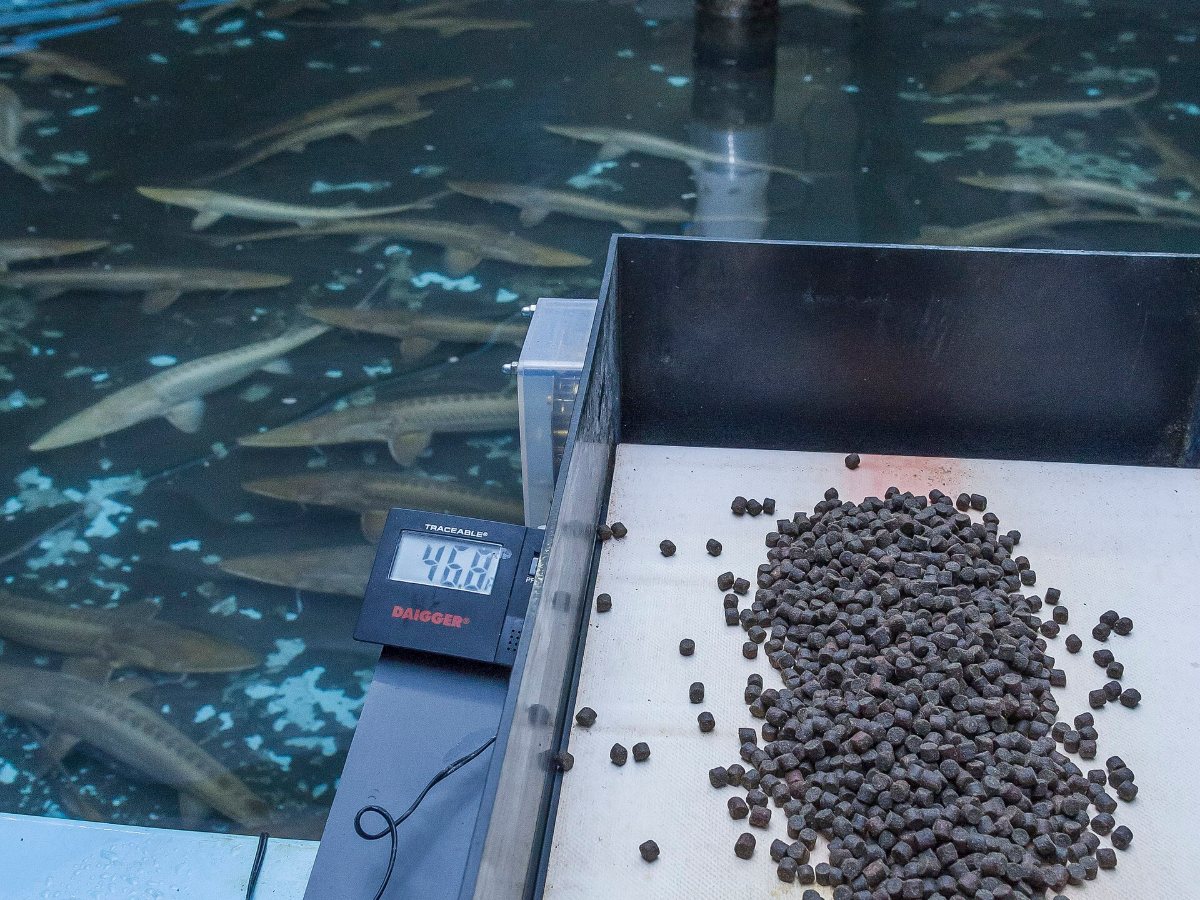
This page groups the extruded feeds that aquaculture producers dry straight after the extruder: shrimp feed, floating and sinking fish feed, oil-coated salmon pellets and hatchery micro-pellets. They belong together because each one leaves the die wet, porous and still soft, and each must be dried without weakening the binder or the pellet's ability to take oil. Incoming moisture across the group runs from 18–28%, with targets between 6–11% depending on species and pellet size. The core difficulty is drying the centre of the pellet fully while stopping the surface from hardening or scorching.
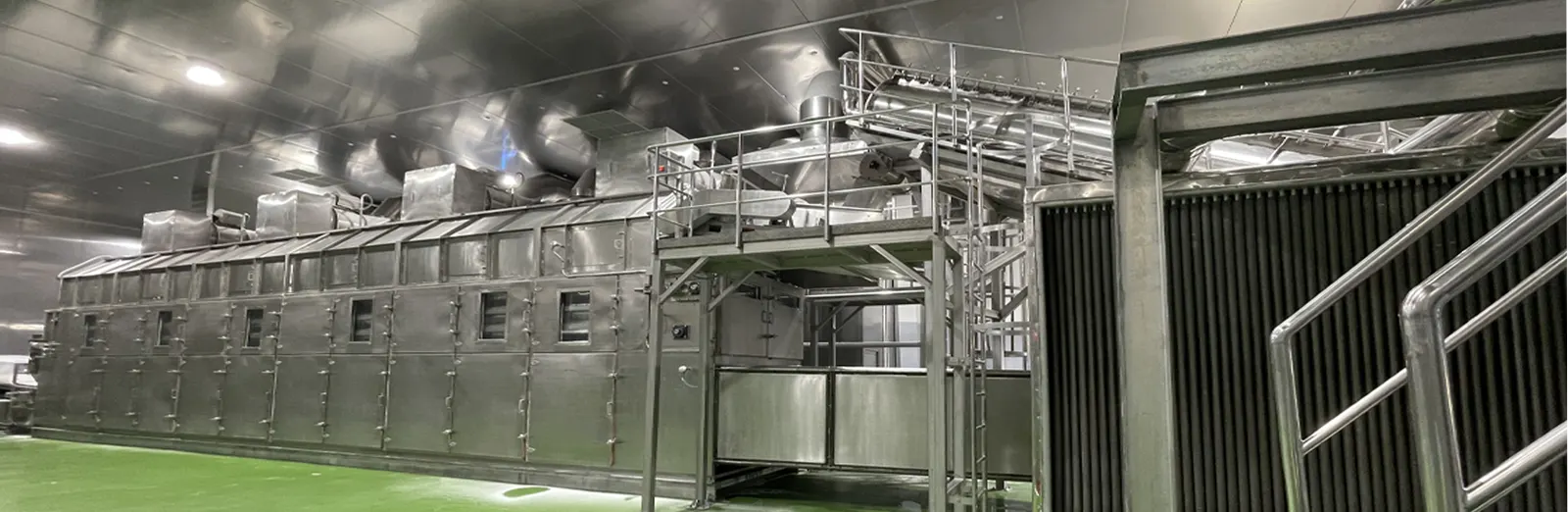
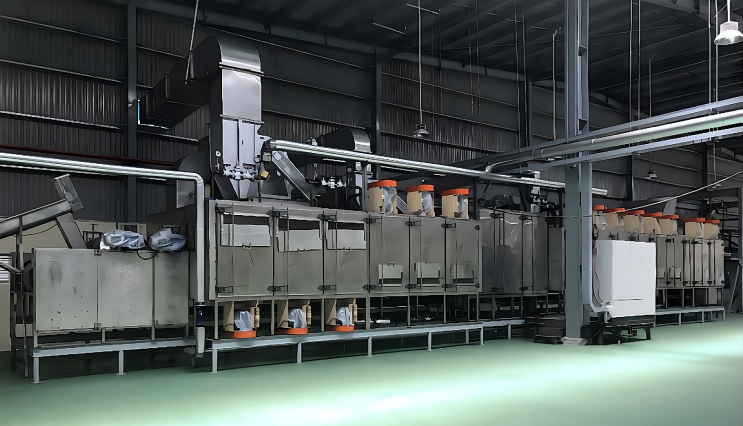
For aqua feed, GEM most often specifies the Band Dryer (Beltotherm) and Multi-Pass Conveyor Dryer. Moisture targets differ by material, so the table below lists typical feed and target moisture for each of the 4 materials in this group, and every project is confirmed on your own sample in a pilot trial.
Aqua Feed: moisture and dryer by material
| Material | Feed moisture | Target | Recommended dryer |
|---|---|---|---|
| Shrimp Feed | 18–25% | 9–11% | Band Dryer / Multi-Pass Conveyor Dryer |
| Fish Feed | 20–28% | 8–10% | Band Dryer / Multi-Pass Conveyor Dryer |
| Salmon Feed | 22–28% | 6–9% | Band Dryer |
| Hatchery Micro-Pellets | 18–25% | 7–10% | Vibratory Fluid Bed Dryer |
Typical values. Your material is confirmed in a pilot trial before sizing.
Which dryer for which material
For shrimp feed and fish feed, a Band Dryer (Beltotherm) or a Multi-Pass Conveyor Dryer is the usual choice; the multi-pass layout suits plants short on floor area, while a single band gives the gentlest handling. Salmon feed points to the Band Dryer, because large pellets need long, even residence before vacuum coating, with the multi-pass unit as an alternate. Hatchery micro-pellets are different: they are too small for belt mesh and too light for strong airflow, so a Vibratory Fluid Bed Dryer is recommended. An Industrial Cooler can follow any of these to bring pellets down to bagging temperature.


What makes aqua feed hard to dry
- Small-diameter sinking shrimp pellets pack into a dense bed, so belt loading and air distribution decide whether pellet cores actually reach 9–11% moisture.
- Floating fish feed can lose buoyancy or crack after oil coating if its outer skin is over-dried while the expanded core is still wet.
- Salmon pellets of 6 to 12 mm must keep their extruded porosity intact, otherwise the vacuum coater cannot absorb the oil the formula calls for.
- Starter and larval micro-feeds are light enough to blow away in strong air, and their oils and pigments oxidise quickly when temperatures run high.
Why it pays back
For an aqua feed mill, the dryer decides whether finished feed meets the water stability, buoyancy and oil-loading specifications that farms buy against. Even final moisture lets you run close to target instead of over-drying for safety, which protects saleable weight and cuts mould complaints from humid warehouses. A correctly sized line also stops the dryer from becoming the bottleneck behind a high-output extruder.
Materials in this group
Aqua Feed Dryers: questions buyers ask
Should I choose a band dryer or a multi-pass conveyor dryer for fish and shrimp feed?
What final moisture should extruded aqua feed be dried to?
Can one dryer handle both hatchery micro-feed and grower pellets?
Send us a sample. See it dried.
We trial your material in our pilot facility before any equipment decision, then size the dryer from real data.
- Tell us the material, moisture and throughput.
- An engineer confirms the trial plan and sample shipping.
- You get drying data and a sized recommendation with a budget quotation.
Material not listed? Talk to our technical expert.
Describe it in the form, or message an engineer directly.
