Salmon feed drying prepares a large, porous extruded pellet that will later absorb 25–35% oil in a vacuum coater. The dried pellet must stay open and strong enough to take that oil without leaking, cracking or crumbling in pneumatic feeding systems at sea cages.
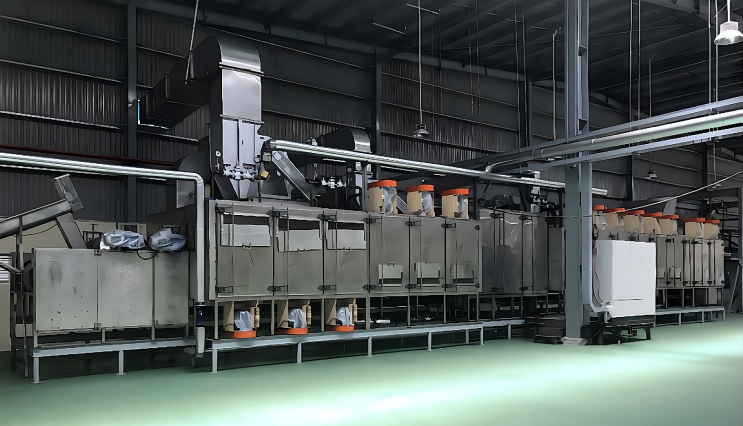
To dry salmon feed, GEM recommends the Band Dryer (Beltotherm). Typical moisture is 22–28% in the feed and 6–9% after drying. Multi-Pass Conveyor Dryer and Industrial Cooler are used when the feed or site calls for it. Every project starts with a pilot trial on your own sample.
A band dryer with several independently controlled zones dries large pellets slowly and evenly, protecting porosity for the coater. A multi-pass conveyor dryer is chosen where floor space is tight, and a cooler conditions pellets before coating.
| Typical feed moisture | 22–28% |
| Typical target moisture | 6–9% |
| Recommended dryer | Band Dryer (Beltotherm) |
| Alternatives | Multi-Pass Conveyor Dryer, Industrial Cooler |
| Application area | Animal, Aqua & Pet Feed |
| Industries | Animal Feed, Breweries & Distilleries |
Correct moisture and porosity let mills meet oil loading specifications consistently, which is where most of the feed's energy and cost sit. Fewer broken pellets also mean less waste in cage feeding systems.
Plants searching for a salmon feed dryer or comparing a salmon feed drying system usually need three answers: which dryer fits, what it costs to run, and how fast it pays back. For Salmon Feed, we start from your throughput, current moisture (typically 22–28%) and the target (6–9%), trial a sample on the Band Dryer, and return a sized recommendation with a budget quotation for your animal feed operation.
Compare all 4 materials in Aqua Feed or browse the wider Animal, Aqua & Pet Feed family.
We trial your material in our pilot facility before any equipment decision, then size the dryer from real data.
Describe it in the form, or message an engineer directly.