Magnesium Carbonate Drying

60–75% → 1–3% moisture. About 65% of the feed weight leaves as water, so the product meets spec and handles freely.

  • Pilot trial on your own sample
  • 112+ installations in 7 countries
  • Engineer replies in 1 working day

Magnesium carbonate drying is defined by bulk density. Light basic magnesium carbonate holds a lot of water in a voluminous cake and is sold for its low density, while heavy grades are denser. The dryer must remove water without decomposing the carbonate or compacting the light grade.

Quick answer

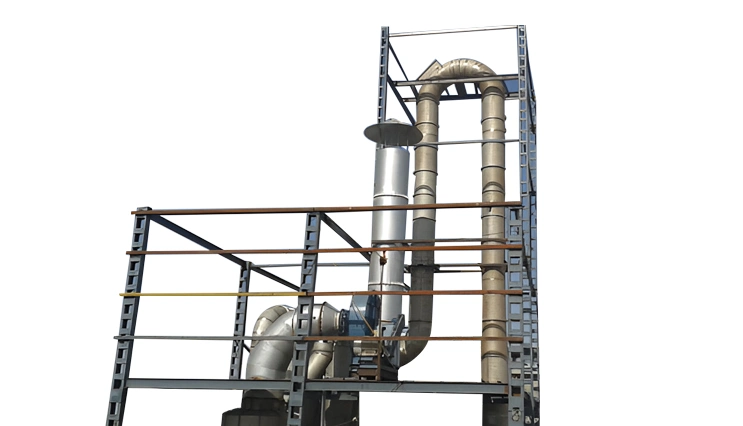
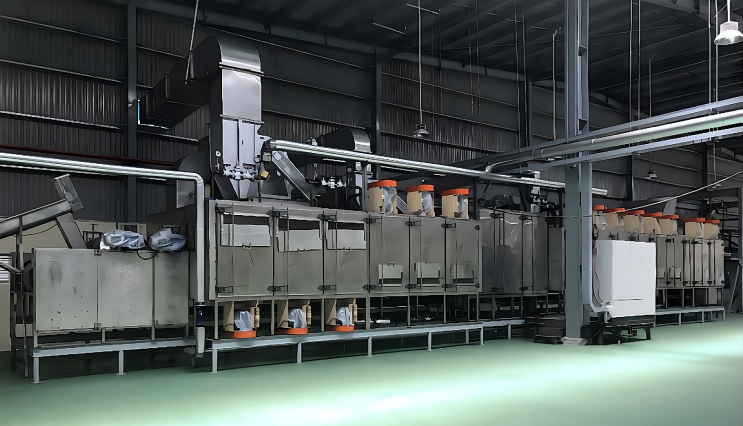
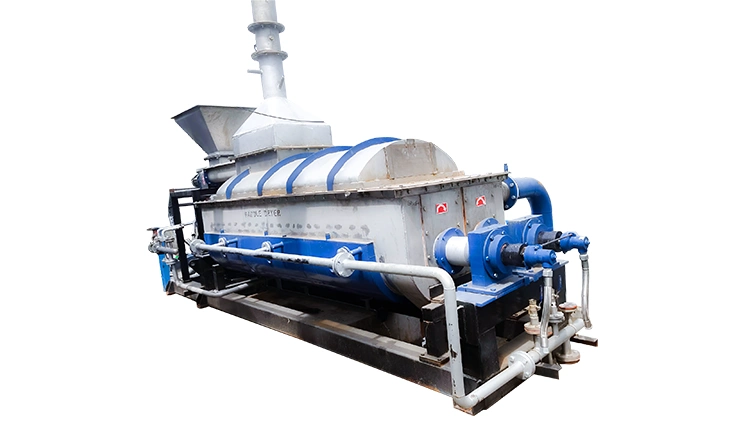
To dry magnesium carbonate, GEM recommends the Flash Dryer. Typical moisture is 60–75% in the feed and 1–3% after drying. Band Dryer and Paddle Dryer are used when the feed or site calls for it. Every project starts with a pilot trial on your own sample.

1998established112+installations7countriesDried & Testedin-house pilot trialsCertifications · Case studies
The challenge

What makes Magnesium Carbonate hard to dry

  • Light grades hold large amounts of water in a bulky cake, giving a high evaporation load per tonne of product.
  • Excess temperature drives off carbon dioxide and changes composition toward magnesium oxide.
  • Mechanical handling can compact light grades and raise bulk density beyond specification.
  • Pharma and food grades require hygienic contact surfaces and protection from contamination.
How GEM dries it

The right dryer for Magnesium Carbonate

A flash dryer with gentle disintegration dries fine magnesium carbonate quickly at moderate product temperature. A band dryer with an extruded cake keeps light grades low in density with little mechanical stress, and a paddle dryer suits pasty cake needing indirect heating.

Typical feed moisture60–75%
Typical target moisture1–3%
Recommended dryerFlash Dryer
AlternativesBand Dryer, Paddle Dryer
Application areaMinerals, Ores & Ceramics
IndustriesMinerals, Mining & Ceramics, Chemicals & Specialty Chemicals
The value

What drying Magnesium Carbonate unlocks

Correct drying protects density and purity, which set the price of light magnesium carbonate grades. Dry powder also stores and ships well, avoiding transport of a cake that is mostly water.

Dried Magnesium Carbonate becomes

  • Pharmaceutical antacid grade
  • Rubber and plastics filler
  • Food anti-caking agent
  • Feed for magnesium oxide production
For buyers

Buying a Magnesium Carbonate dryer?

Plants searching for a magnesium carbonate dryer or comparing a light magnesium carbonate drying usually need three answers: which dryer fits, what it costs to run, and how fast it pays back. For Magnesium Carbonate, we start from your throughput, current moisture (typically 60–75%) and the target (1–3%), trial a sample on the Flash Dryer, and return a sized recommendation with a budget quotation for your minerals and chemicals operation.

FAQ

Magnesium Carbonate: questions buyers ask

How do you keep light magnesium carbonate light during drying?
Low shear and controlled product temperature are key. Extruded cake on a band dryer, or a flash dryer with gentle disintegration, avoids compaction. Bulk density is checked in a pilot trial.
Can magnesium carbonate decompose during drying?
Decomposition and water loss from basic carbonate begin at elevated product temperatures. Drying keeps the product well below that range, which is why outlet temperature control is important.
Related

Related materials

Compare all 23 materials in Minerals, Ores & Ceramics.

Send us a sample. See it dried.

We trial your material in our pilot facility before any equipment decision, then size the dryer from real data.

  1. Tell us the material, moisture and throughput.
  2. An engineer confirms the trial plan and sample shipping.
  3. You get drying data and a sized recommendation with a budget quotation.

Material not listed? Talk to our technical expert.

Describe it in the form, or directly →

Request a trial or quotation

    An engineer replies within one working day. We never share your details.

    Chat with GEM Drytech on WhatsApp