Deinking sludge drying treats the residue from flotation and washing stages in recycled fibre mills. Unlike virgin pulp sludge, it is dominated by fillers such as calcium carbonate and kaolin, with short fibres and ink particles. That high ash content makes the dried material useful to cement and brick makers rather than a landfill burden.
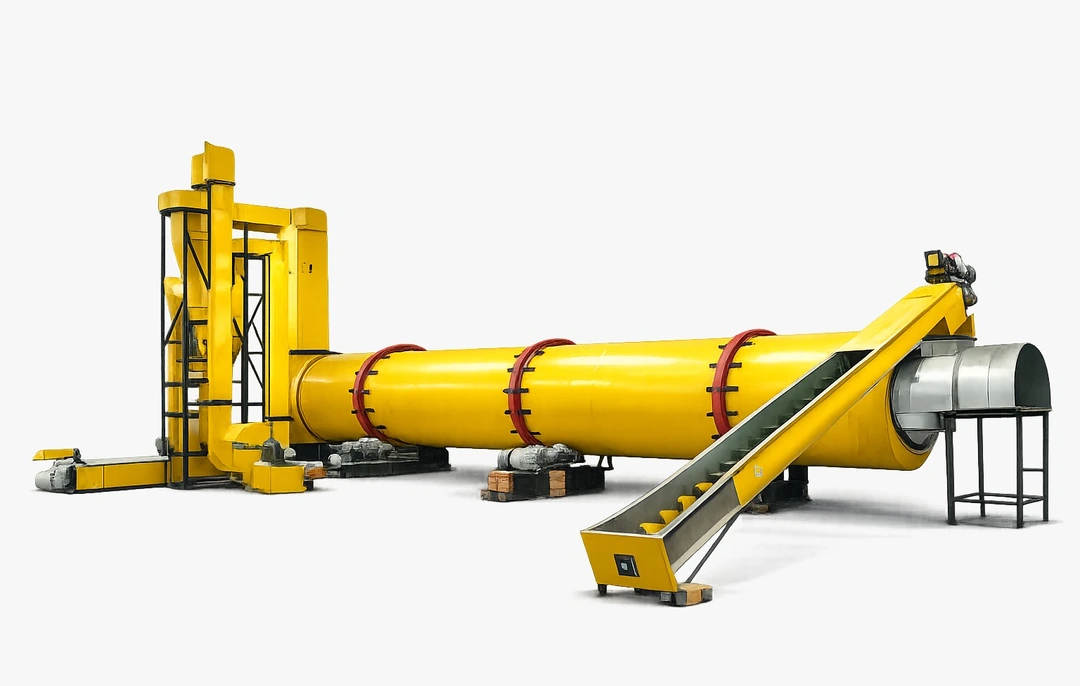
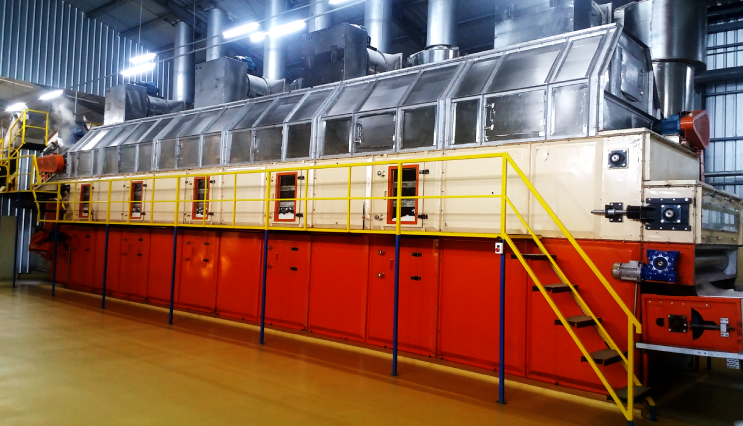
To dry deinking sludge, GEM recommends the Rotary Dryer. Typical moisture is 50–60% in the feed and 10–15% after drying. Mesh Belt Dryer and Direct / Indirect Rotary Dryer are used when the feed or site calls for it. Every project starts with a pilot trial on your own sample.
A rotary drum tolerates the crumbly, mineral-rich cake and its fines, and can use hot gas from a mill boiler or burner. Where the sludge extrudes well and low-temperature heat is available, a Meshotherm belt is a gentler, lower-dust alternative.
| Typical feed moisture | 50–60% |
| Typical target moisture | 10–15% |
| Recommended dryer | Rotary Dryer |
| Alternatives | Mesh Belt Dryer, Direct / Indirect Rotary Dryer |
| Application area | Sludge & Biosolids |
| Industries | Paper & Pulp, Wastewater & Environmental |
Recycled paper mills generate large tonnages of deinking residue, and landfill charges add up quickly. Drying cuts transport weight and makes the mineral fraction acceptable to cement and brick plants, turning disposal spend into a cheaper or even paid outlet.
Plants searching for a deinking sludge dryer or comparing a recycled paper sludge drying usually need three answers: which dryer fits, what it costs to run, and how fast it pays back. For Deinking Sludge, we start from your throughput, current moisture (typically 50–60%) and the target (10–15%), trial a sample on the Rotary Dryer, and return a sized recommendation with a budget quotation for your paper and wastewater operation.
We trial your material in our pilot facility before any equipment decision, then size the dryer from real data.
Describe it in the form, or message an engineer directly.