18–22% → 2–4% moisture. About 20% of the feed weight leaves as water, giving a stable product that stores and ships.
Wheat flakes drying brings rolled whole-grain wheat, still carrying its bran, from tempering moisture to a crisp ready-to-eat state. Because the bran layer browns faster than the endosperm, colour control is tighter than for maize flakes. Buyers produce wheat flakes for high-fibre breakfast cereals, muesli bases and private-label cereal packs.
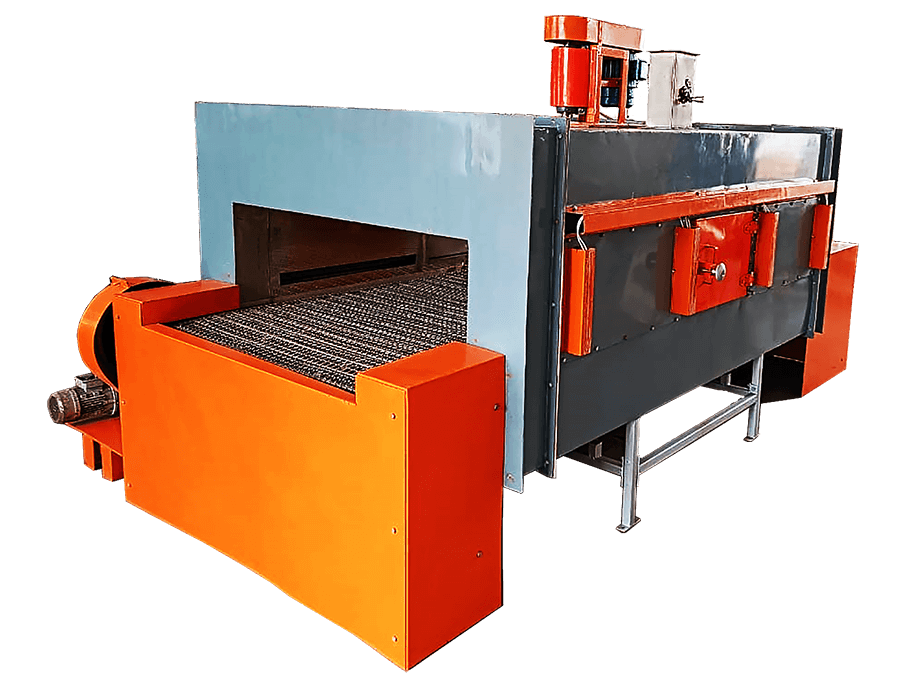
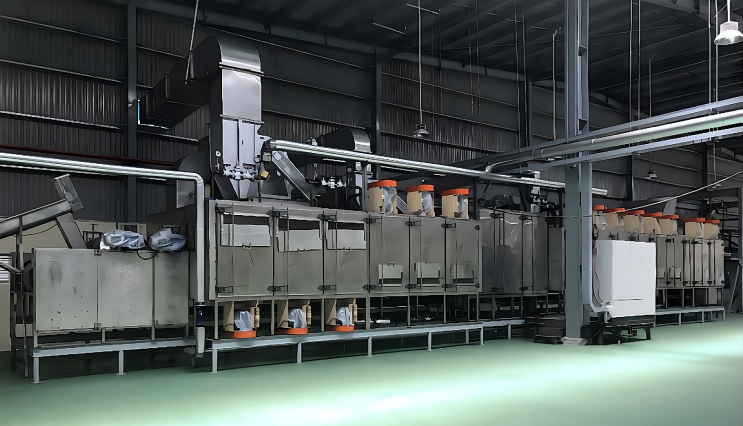
To dry wheat flakes, GEM recommends the Tunnel & Belt Oven and Band Dryer (Beltotherm). Typical moisture is 18–22% in the feed and 2–4% after drying. Multi-Pass Conveyor Dryer and Industrial Cooler are used when the feed or site calls for it. Every project starts with a pilot trial on your own sample.
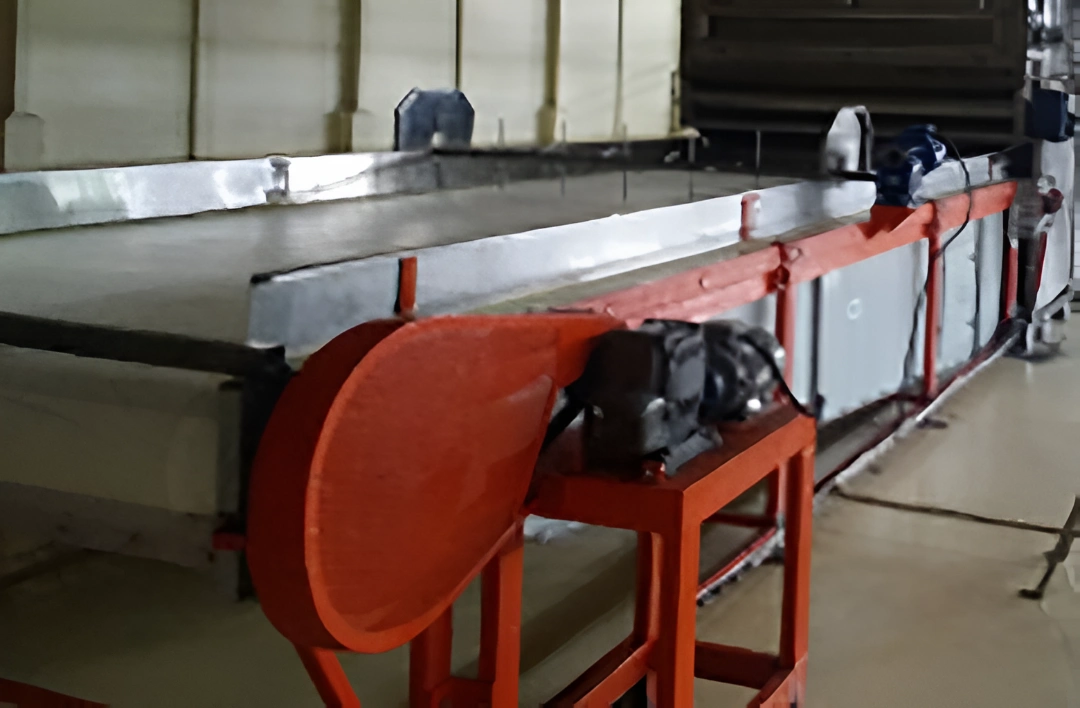
A belt oven gives the gentle, even toasting wheat flakes need, with moderate air velocity so fragile flakes stay on the belt. A band dryer conditions kernels before flaking; a cooler protects crispness before packing.
| Typical feed moisture | 18–22% |
| Typical target moisture | 2–4% |
| Recommended dryer | Tunnel & Belt Oven, Band Dryer (Beltotherm) |
| Alternatives | Multi-Pass Conveyor Dryer, Industrial Cooler |
| Application area | Food Products & Snacks |
| Industries | Food & Beverage |
Uniform colour and fewer fines raise packed yield on a product that is sold on its whole-grain and fibre credentials. Stable low moisture prevents staling during long retail shelf life.
Plants searching for a wheat flakes dryer or comparing a wheat flakes toasting machine usually need three answers: which dryer fits, what it costs to run, and how fast it pays back. For Wheat Flakes, we start from your throughput, current moisture (typically 18–22%) and the target (2–4%), trial a sample on the Tunnel & Belt Oven, and return a sized recommendation with a budget quotation for your food operation.
We trial your material in our pilot facility before any equipment decision, then size the dryer from real data.
Describe it in the form, or Message an Engineer directly →